
Letting Cats Outside: A Balanced Look at the Trade-offs
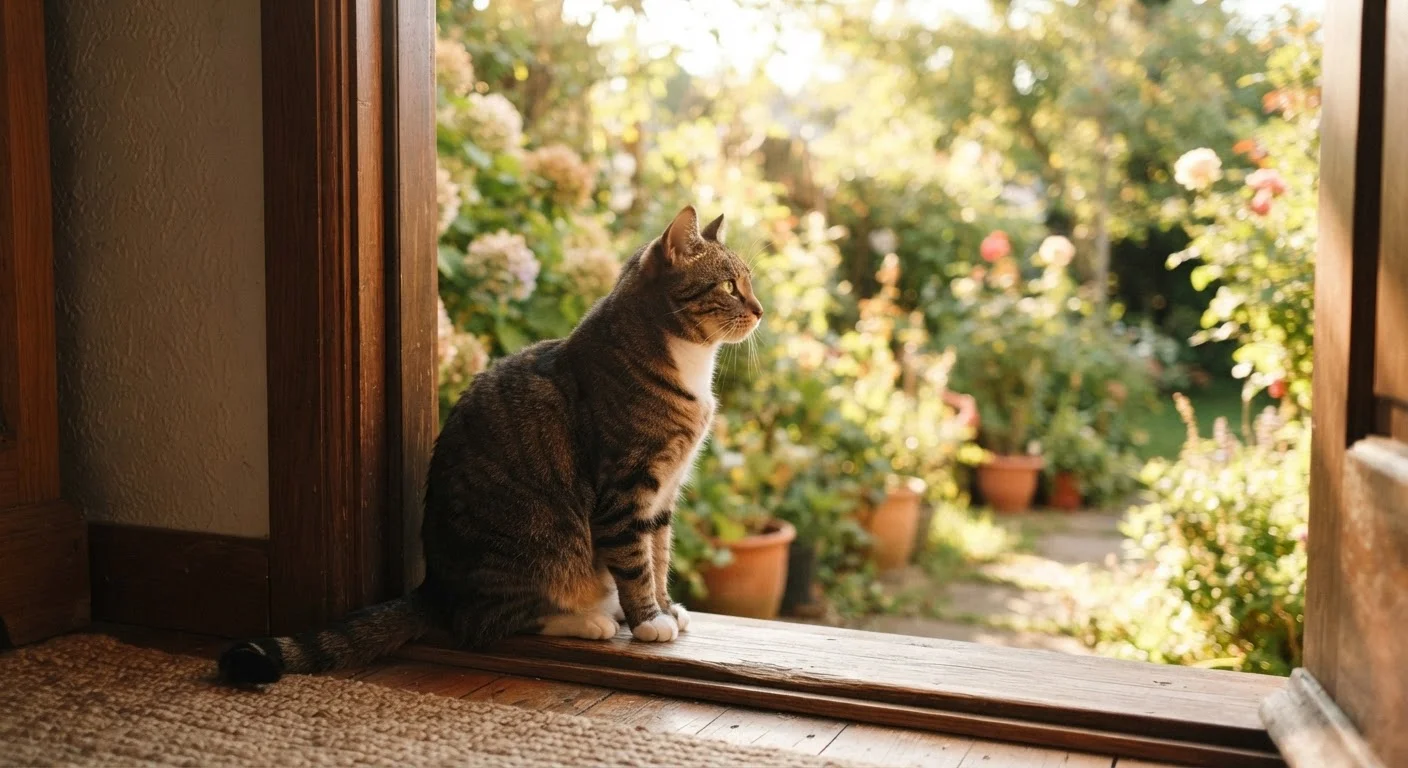
Photo credit: TheBlogZappier.com | Simple Search, Credible Results
In this article
Outdoor access enriches some cats' lives but introduces genuine risks. An honest breakdown of the benefits and hazards to help you make an informed choice.
Key Takeaways
- Outdoor access provides physical exercise and sensory stimulation that can improve a cat's wellbeing.
- Free-roaming cats face significantly higher risks from traffic, predators, disease, and injury.
- Indoor cats can live long, fulfilled lives with the right enrichment strategies in place.
- Supervised outdoor options like catio enclosures or leash walking offer a middle-ground approach.
- A cat's individual temperament, health status, and local environment all affect which choice fits best.
Rich sensory stimulation supports mental wellbeing
Outdoor environments expose cats to constantly changing smells, sounds, and textures that engage hunting instincts and reduce boredom-driven behaviors. This type of unscripted stimulation is difficult to fully replicate with toys alone.
Natural exercise supports healthy weight and muscle tone
Running, climbing, and stalking outdoors provide more varied physical activity than most indoor setups. Obesity is a common health concern in cats, and outdoor movement can help maintain a healthy body condition.
Opportunity to express natural hunting behavior
Predatory behavior — stalking, pouncing, and catching — is a core feline drive. Outdoor access lets cats perform this behavioral sequence in full, which can reduce frustration and stress in high-drive individuals.
Can reduce stress-related behavioral problems
Some cats with strong territorial or exploratory instincts develop stress-related issues such as urine marking or aggression when confined indoors. Controlled outdoor access may ease these patterns in certain individuals.
Traffic poses the highest risk of fatal injury
Road traffic is consistently cited by veterinary professionals as the leading cause of traumatic death in free-roaming cats. Even in lower-traffic areas, the risk is never zero.
Exposure to infectious disease increases significantly
Contact with other cats — particularly through fighting — is the primary route for FIV and FeLV transmission. Upper respiratory infections and other contagious conditions are also more common in cats with outdoor access.
Parasite burden is substantially higher outdoors
Fleas, ticks, roundworms, hookworms, and ringworm are all more prevalent in outdoor cats. These parasites can affect the cat's health and, in some cases, are transmissible to human household members.
Predation risk from other animals
Depending on location, cats may encounter dogs, coyotes, birds of prey, or other predators. Even in suburban settings, these encounters can result in serious injury or death.
Documented impact on local wildlife populations
Peer-reviewed research has found that free-roaming cats are a significant source of bird and small mammal mortality. Owners who value local biodiversity may weigh this factor heavily in their decision.
Roaming cats risk getting lost or stolen
Outdoor cats can travel considerable distances, becoming disoriented or ending up in unfamiliar territories. Microchipping and ID collars reduce — but don't eliminate — this risk.
Why This Decision Matters More Than It Seems
For many cat owners, the question of outdoor access feels like a simple quality-of-life call. In practice, it carries meaningful consequences for a cat's health, lifespan, and the surrounding ecosystem. Veterinary and wildlife organizations generally note that free-roaming outdoor cats face a shorter average lifespan than their indoor counterparts — though individual outcomes vary widely by location and lifestyle.
Understanding both sides of the equation helps owners make a deliberate, informed choice rather than defaulting to habit or convenience. This article lays out the key advantages and disadvantages without pushing a single answer, because the right decision depends on your cat, your neighborhood, and your resources.
If you're also thinking about how to keep a cat mentally engaged regardless of where it spends its time, see our guide on enrichment versus exercise for a fuller picture of what cats actually need to thrive.
The Case for Outdoor Access
Rich sensory stimulation supports mental wellbeing
Outdoor environments expose cats to constantly changing smells, sounds, and textures that engage hunting instincts and reduce boredom-driven behaviors. This type of unscripted stimulation is difficult to fully replicate with toys alone.
Natural exercise supports healthy weight and muscle tone
Running, climbing, and stalking outdoors provide more varied physical activity than most indoor setups. Obesity is a common health concern in cats, and outdoor movement can help maintain a healthy body condition.
Opportunity to express natural hunting behavior
Predatory behavior — stalking, pouncing, and catching — is a core feline drive. Outdoor access lets cats perform this behavioral sequence in full, which can reduce frustration and stress in high-drive individuals.
Can reduce stress-related behavioral problems
Some cats with strong territorial or exploratory instincts develop stress-related issues such as urine marking or aggression when confined indoors. Controlled outdoor access may ease these patterns in certain individuals.
Cats evolved as hunters, and outdoor environments provide stimuli that are genuinely difficult to replicate indoors — shifting scents, variable terrain, moving prey, and unscripted social encounters. For cats with a strong exploratory drive, outdoor time can reduce frustration behaviors like excessive vocalization, destructive scratching, or overgrooming.
That said, enrichment benefits don't require unrestricted free-roaming. Catios (enclosed outdoor structures), leash walks with a well-fitted harness, and garden-based supervised sessions can deliver much of the sensory value while limiting exposure to the most serious hazards. For creative ways to replicate outdoor stimulation indoors, our indoor cat enrichment guide covers feeding puzzles, scent games, and vertical space design.
The Genuine Risks of Letting Cats Roam
Traffic poses the highest risk of fatal injury
Road traffic is consistently cited by veterinary professionals as the leading cause of traumatic death in free-roaming cats. Even in lower-traffic areas, the risk is never zero.
Exposure to infectious disease increases significantly
Contact with other cats — particularly through fighting — is the primary route for FIV and FeLV transmission. Upper respiratory infections and other contagious conditions are also more common in cats with outdoor access.
Parasite burden is substantially higher outdoors
Fleas, ticks, roundworms, hookworms, and ringworm are all more prevalent in outdoor cats. These parasites can affect the cat's health and, in some cases, are transmissible to human household members.
Predation risk from other animals
Depending on location, cats may encounter dogs, coyotes, birds of prey, or other predators. Even in suburban settings, these encounters can result in serious injury or death.
Documented impact on local wildlife populations
Peer-reviewed research has found that free-roaming cats are a significant source of bird and small mammal mortality. Owners who value local biodiversity may weigh this factor heavily in their decision.
Roaming cats risk getting lost or stolen
Outdoor cats can travel considerable distances, becoming disoriented or ending up in unfamiliar territories. Microchipping and ID collars reduce — but don't eliminate — this risk.
2–5 years
Typical lifespan difference: indoor vs. outdoor cats
Veterinary sources commonly cite this range, though individual outcomes vary widely depending on environment, traffic density, and preventive care.
1–4 billion
Estimated annual bird deaths attributed to cats in the US
A widely cited estimate from a study published in Nature Communications, though specific figures remain the subject of ongoing research and methodological debate.
The hazards facing outdoor cats aren't hypothetical. Traffic is the leading cause of traumatic injury and death in free-roaming cats in suburban and urban environments. Encounters with other cats are a primary transmission route for feline immunodeficiency virus (FIV) and feline leukemia virus (FeLV), both of which have no cure. Parasites — fleas, ticks, intestinal worms, and ringworm — are also far more prevalent in cats with outdoor access.
Beyond individual health, there's an ecological dimension worth acknowledging. Research published in peer-reviewed journals has consistently found that free-roaming cats have a significant impact on bird and small mammal populations. This doesn't mean outdoor cats are inherently harmful pets, but it is a real consideration for owners who care about local wildlife.
Preventive Care Is Non-Negotiable for Outdoor Cats
If you do allow outdoor access, keeping vaccinations current — including rabies, FVRCP, and FeLV where recommended — and maintaining consistent flea, tick, and parasite prevention are essential baseline measures. Regular veterinary check-ups also allow early detection of injuries or infections that outdoor cats may conceal. Discuss the appropriate prevention protocol for your area with your veterinarian.
Middle-Ground Options Worth Considering
The indoor-versus-outdoor framing can make the choice feel more binary than it needs to be. Several practical approaches allow cats to access outdoor environments with meaningfully reduced risk:
- Catios and garden enclosures: Mesh or solid-panel structures attached to the home or freestanding in the yard give cats fresh air, natural sights, and safe outdoor exposure.
- Leash and harness training: Some cats adapt well to harness walks, particularly when introduced young. This requires patient, consistent training but gives owners direct control.
- Supervised garden time: Brief, owner-supervised sessions in a secure yard can provide variety without the risks of unsupervised roaming.
- Window perches and outdoor-view setups: For cats that mainly want to watch and smell the outside world, a well-placed window shelf with bird feeders nearby can satisfy curiosity without any exposure to outdoor hazards.
For owners whose cats live primarily indoors, indoor enrichment strategies can help prevent boredom and stress even in smaller living spaces.
This article provides general information for educational purposes and is not a substitute for advice from a licensed veterinarian familiar with your cat's individual health needs.

Author
Pets & Animals Editorial Team
Pets & Animals Editorial Team is the collective byline for our editorial team and contributor network. Articles published under this byline or an editorial pen name are researched, written, and reviewed according to our editorial standards for clarity, consistency, and independence before publication.
View all articles →