
Home Grooming Done Right: What You Can Safely Do and What to Leave to Professionals
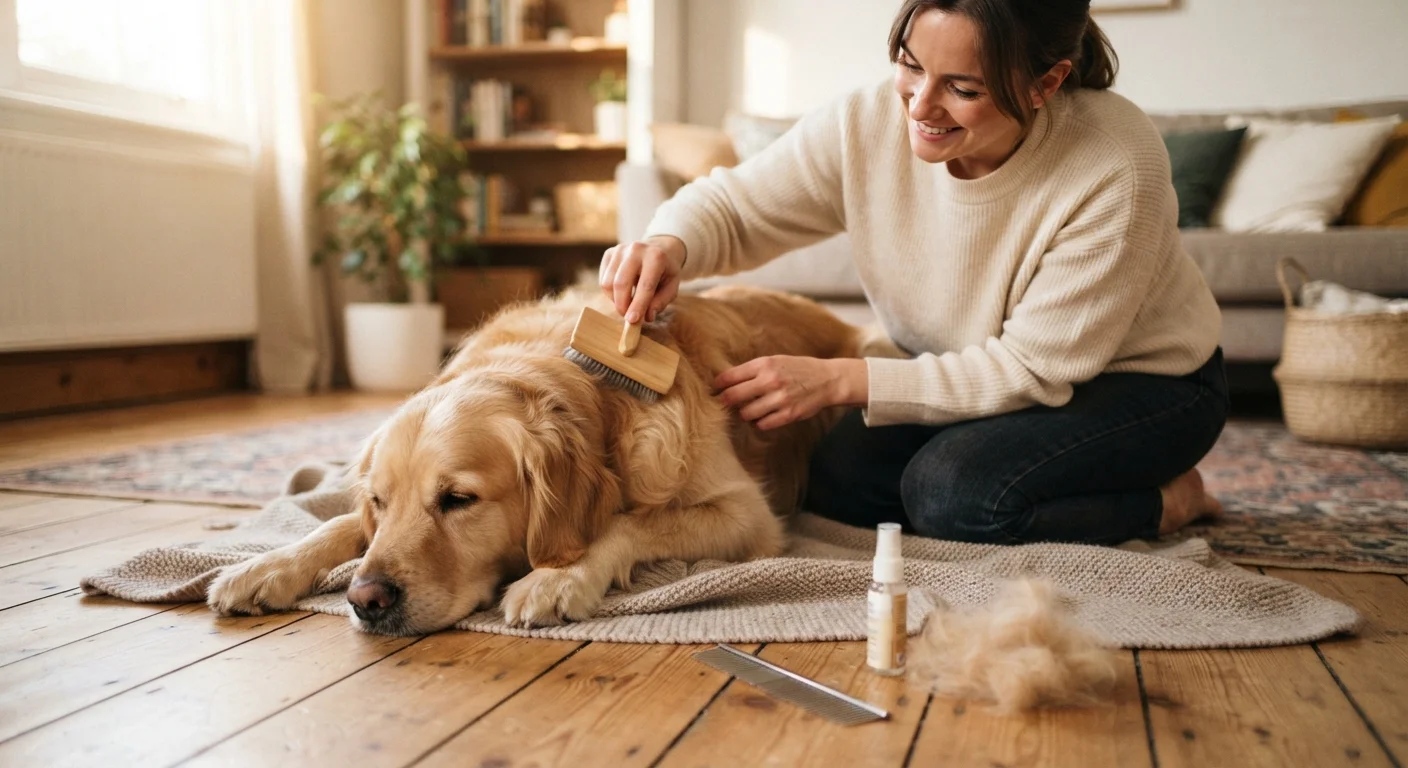
Photo credit: TheBlogZappier.com | Simple Search, Credible Results
In this article
Brushing, nail trims, ear cleaning — some grooming tasks are safe at home with the right technique. Others carry real risk without professional training.
Key Takeaways
- Brushing, bathing, and light ear cleaning are generally safe home grooming tasks with proper technique.
- Nail trimming carries real risk of injury if the quick is cut — go slow and know your limits.
- Anal gland expression, teeth scaling, and deep ear cleaning should be left to professionals.
- Regular home grooming between professional appointments improves coat health and allows early detection of skin issues.
- Always match tools to your pet's coat type and consult a vet or groomer if you're uncertain.
Why the Home vs. Professional Divide Matters
Grooming isn't just cosmetic — it's a core part of your pet's health routine. Regular brushing prevents painful matting, bathing controls skin conditions, and ear care reduces infection risk. But not every task is equal in terms of risk. Some are straightforward with basic training; others can cause real harm if done incorrectly.
Understanding where the line falls helps you keep your pet comfortable and avoid accidental injury, while saving professional appointments for when they're genuinely needed. The Pet Lifestyle hub offers broader context on building routines that support your animal's wellbeing day to day.
Start Grooming Early for Easier Sessions
Introducing grooming tools and handling to puppies and kittens early in life significantly reduces anxiety during future sessions. Even brief, positive touch sessions — gently handling paws, ears, and mouth — help pets associate grooming with calm, safe experiences. Use treats and praise to reinforce cooperation.
Tasks You Can Safely Do at Home
Several grooming tasks are low-risk when you have the right tools and a patient approach:
- Brushing and detangling: Daily or weekly brushing removes loose fur, distributes natural oils, and prevents mats. Match the brush type to your pet's coat — slicker brushes for medium coats, wide-tooth combs for longer fur. Go slowly near sensitive areas like the belly and behind the ears.
- Bathing: Most dogs can be bathed at home every four to six weeks using a pet-safe shampoo. Rinse thoroughly to prevent residue buildup, which can irritate skin. Cats typically groom themselves and rarely need baths unless advised by a vet.
- Outer ear cleaning: Using a vet-approved ear cleaning solution and a cotton ball, gently wipe the visible outer ear flap. Never insert anything into the ear canal. If you notice redness, odor, or dark discharge, stop and consult your vet.
- Nail trimming (with caution): Light-colored nails are easier because the pink quick — the blood vessel inside — is visible. Trim small amounts at a time and keep styptic powder on hand in case of bleeding. Dark nails require extra caution; many owners prefer to leave these to professionals.
Tasks Better Left to Professionals
Some grooming procedures carry enough risk that professional training makes a meaningful difference in safety and outcomes:
| Home Grooming | Professional Grooming | |
|---|---|---|
| Brushing & detangling | Safe and recommended regularly | Available but not necessary |
| Bathing | Safe for most dogs with pet shampoo | Preferred for anxious or large breeds |
| Nail trimming | Safe with care on light nails | Recommended for dark nails or anxious pets |
| Outer ear cleaning | Safe using cotton ball and solution | Required if debris is deep in canal |
| Anal gland expression | Not recommended — injury risk | Required; vet or trained groomer only |
| Teeth scaling | Not safe — enamel damage risk | Veterinary procedure; requires sedation |
| Full-body coat clipping | Risky for double-coated breeds | Recommended for breed-appropriate cuts |
- Anal gland expression: Impacted or infected anal glands need professional or veterinary attention. Improper expression can cause pain, injury, or infection. Signs of a problem include scooting, licking the rear, or a strong fishy odor.
- Teeth scaling: Scraping tartar off teeth at home risks damaging enamel and causing micro-injuries to gum tissue. A veterinary dental cleaning, typically performed under sedation, is the safe standard. Home dental care means brushing with pet-safe toothpaste — not scaling.
- Deep ear cleaning or hair plucking: Certain breeds require hair removal from the ear canal to prevent infection, but this must be done by a groomer or vet to avoid trauma to delicate structures.
- Full-body clips on double-coated breeds: Shaving breeds like Huskies or Golden Retrievers can permanently damage coat regrowth and interfere with temperature regulation. Professional groomers familiar with breed-specific needs can advise on appropriate trimming.
This mirrors the reasoning behind knowing when to call in a specialist in other contexts — much like the distinction explored in DIY car maintenance vs. a mechanic.
Building a Routine That Works for Your Pet
The most effective grooming strategy combines regular home maintenance with periodic professional visits — the frequency depending on your pet's breed, coat type, and health status. Long-coated breeds may need professional grooming every six to eight weeks; short-coated dogs may only need it a few times a year.
Use home grooming sessions as an opportunity to check your pet's skin for lumps, redness, parasites, or unusual odors. Early detection of skin issues, ear infections, or dental problems can make a significant difference in treatment outcomes. If you share your home with multiple animals, managing grooming routines across a multi-pet household adds an extra layer of planning worth reading about.
65%
Pet owners who groom at home
According to the American Pet Products Association, a large majority of pet owners perform at least some grooming tasks themselves rather than relying solely on professionals.
1 in 3
Dogs affected by dental disease by age 3
Veterinary dental health studies consistently indicate that periodontal disease is among the most common conditions seen in dogs, underscoring the importance of proper — not DIY-scaled — dental care.
This article is for general informational purposes only and does not constitute veterinary advice. Always consult a licensed veterinarian or professional groomer for guidance specific to your pet's health and needs.

Author
Pets & Animals Editorial Team
Pets & Animals Editorial Team is the collective byline for our editorial team and contributor network. Articles published under this byline or an editorial pen name are researched, written, and reviewed according to our editorial standards for clarity, consistency, and independence before publication.
View all articles →