
Suspension Myths That Even Experienced Drivers Believe
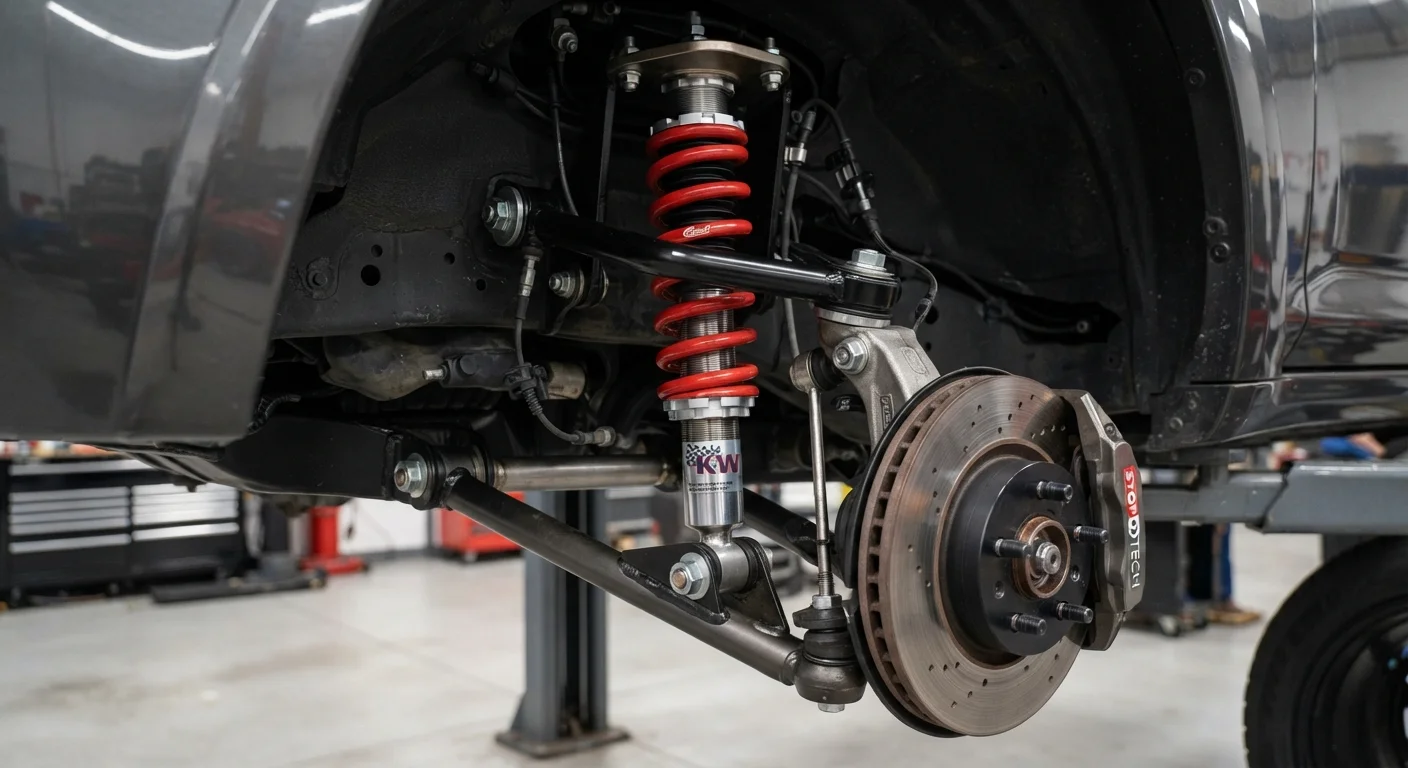
Photo credit: TheBlogZappier.com | Simple Search, Credible Results
Stiffer isn't always better, and lowering doesn't always improve handling. Common suspension misconceptions set straight.
Key Takeaways
- Stiffer suspension does not automatically mean better handling - it depends heavily on driving conditions.
- Lowering a vehicle can actually worsen handling and accelerate tyre wear if done incorrectly.
- Worn shocks affect stopping distance, not just ride comfort - this is a safety issue.
- Suspension components interact as a system; replacing one part in isolation often leads to premature wear of others.
- Most suspension repairs and modifications require professional alignment to be effective and safe.
Why Suspension Myths Persist
Suspension is one of those systems that feels intuitive until you dig into the engineering. Drivers develop instincts - stiffer feels sportier, lower looks faster - and those instincts get passed around forums, garages, and parking lots until they calcify into accepted wisdom. The problem is that many of these beliefs are oversimplifications, and acting on them can compromise ride quality, tyre life, and safety.
The myths below are particularly sticky because they contain a grain of truth. That grain is what makes them believable - and worth examining carefully. For a broader look at how misinformation affects vehicle upkeep, see the Car Maintenance hub for research-grounded guidance across all key service areas.
Myth
Stiffer springs always improve handling and are worth the upgrade for any driver.
Fact
Spring rate needs to match the vehicle's weight, intended use, and road surface. Overly stiff springs reduce tyre contact on irregular pavement, which reduces grip rather than improving it.
The appeal of stiffer springs comes from motorsport, where smooth, purpose-built tracks reward high spring rates. On public roads with pavement imperfections, expansion joints, and debris, an excessively stiff spring causes the tyre to lose contact with the road surface momentarily - a phenomenon engineers call wheel hop or reduced compliance. The result is less predictable cornering, not more. A spring rate appropriate for a track day car can be genuinely dangerous on a potholed urban commute.
Myth
Lowering your car improves handling because it lowers the center of gravity.
Fact
Lowering reduces body roll, but only delivers handling benefits if suspension geometry - particularly camber, caster, and bump travel - is recalibrated at the same time.
A lower center of gravity does reduce body roll in cornering, and that sounds straightforwardly positive. The complication is that most production suspension systems are engineered with specific ride-height tolerances in mind. Drop the car beyond that range without adjusting control arm angles and alignment, and you introduce excessive negative camber, reduce bump travel (the suspension's ability to absorb road inputs), and often create bumpsteer - a condition where the steering geometry changes unintentionally as the suspension compresses. These changes can make handling worse, not better, and will accelerate tyre wear significantly on the inner edges.
Myth
Worn shock absorbers only affect ride comfort, not safety.
Fact
Worn shocks increase stopping distances and reduce directional stability under emergency braking - this is a documented safety concern, not just a comfort issue.
Shock absorbers (more accurately called dampers) control the rate at which the spring compresses and rebounds. When a damper is worn, the spring oscillates freely after hitting a bump. During a braking event, this uncontrolled bounce causes the tyre contact patch to momentarily lift from the road surface. Multiple independent studies have found that severely worn dampers can add several metres to stopping distance at highway speeds. The vehicle will still brake - it just takes longer than it should, which matters enormously in an emergency.
Myth
You can replace just one shock absorber or strut to save money.
Fact
Shocks and struts should be replaced in axle pairs - replacing only one creates an imbalance between the two sides of the vehicle that affects braking, cornering, and stability.
When one side of an axle has a new, fully functional damper and the other has a worn unit, the vehicle's weight transfer during braking and cornering becomes unequal. This asymmetry can cause the vehicle to pull or drift under hard braking and can introduce unpredictable behavior in emergency maneuvers. Most automotive engineers and service technicians recommend replacing both units on an axle at the same time precisely to avoid this imbalance. The upfront cost of replacing one unit is largely negated by the performance compromise and the likelihood of needing to return for the second soon after.
Myth
You only need a wheel alignment after hitting a large pothole or curb.
Fact
Alignment drifts gradually through normal driving and should be checked periodically - not only after an obvious impact event.
While a sharp impact can knock alignment angles out of specification immediately, alignment also shifts gradually due to component wear, bushing deterioration, and the cumulative effect of ordinary road imperfections. Many drivers discover uneven tyre wear - a direct consequence of misalignment - only after significant damage has already occurred. A periodic alignment check, typically recommended alongside tyre rotation intervals, catches gradual drift before it costs you a set of tyres. Any suspension modification, including new springs or shocks, makes an alignment check mandatory rather than optional.
What the Myths Cost You in Practice
Misconceptions about suspension aren't just academic - they translate into real-world expenses and risks. Drivers who chase stiffness often end up replacing tyres prematurely because a spring rate mismatched to road conditions causes uneven contact-patch loading. Those who lower their cars without correcting geometry frequently find that their inside tyre edges wear down in a matter of months.
Suspension Work Requires a Post-Service Alignment
Any suspension component replacement - springs, shocks, struts, control arms, or bushings - will alter wheel alignment angles. Driving on an unchecked alignment after suspension work accelerates tyre wear and can compromise handling. Always schedule a four-wheel alignment check as part of any suspension repair. This is not optional; it is part of completing the job correctly.
The most consequential myth may be the one about shocks being a ride-comfort issue only. Research from safety organizations has consistently linked worn shock absorbers to measurably longer braking distances, particularly at highway speeds. That's a safety margin you give up silently, with no warning light to alert you.
The same pattern of hidden cost applies across vehicle maintenance - tyre care myths follow remarkably similar logic, where seemingly minor misunderstandings quietly accelerate wear and cost. If you're considering any suspension work yourself, it's also worth reading DIY vs. professional repair to understand where the line between home maintenance and mechanic's work genuinely falls for chassis-related jobs.
~3-4m
Extra stopping distance with worn shocks
Industry testing has indicated that severely worn dampers can add approximately 3-4 metres to stopping distance at 80 km/h compared to serviceable units.
~30%
Tyre life reduction from misalignment
Tyre industry guidance commonly notes that alignment angles even slightly outside specification can reduce tyre service life by up to 30 percent through uneven wear.

Author
Autos & Driving Editorial Team
Autos & Driving Editorial Team is the collective byline for our editorial team and contributor network. Articles published under this byline or an editorial pen name are researched, written, and reviewed according to our editorial standards for clarity, consistency, and independence before publication.
View all articles →