
Why Skipping Routine Servicing Causes Bigger Problems Later
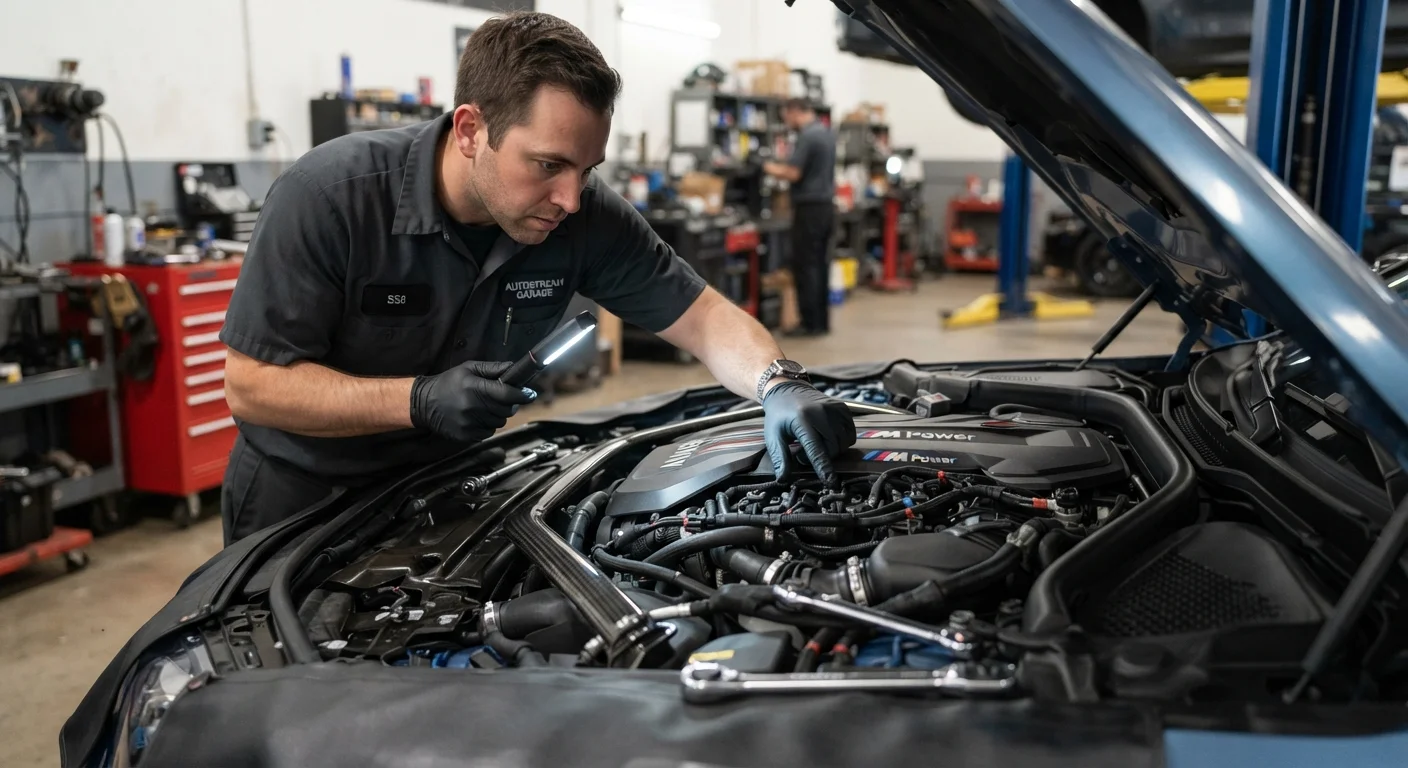
Photo credit: TheBlogZappier.com | Simple Search, Credible Results
In this article
Deferred maintenance rarely saves money in the long run. Learn what actually happens mechanically when routine services are repeatedly delayed.
Key Takeaways
- Skipping oil changes is one of the fastest ways to cause irreversible engine damage.
- Deferred maintenance rarely saves money - it typically shifts costs to more expensive repairs later.
- Many mechanical failures that strand drivers are preventable through scheduled servicing.
- Manufacturer service intervals are calibrated to real-world wear, not arbitrary timelines.
- A qualified mechanic can catch compounding problems early before they affect multiple systems.
Why Routine Servicing Is Not Optional
Every vehicle is an interconnected system of components operating under heat, friction, pressure, and vibration. Manufacturer service schedules are not marketing exercises - they are engineering documents that reflect real-world wear rates on fluids, filters, belts, and mechanical parts. When those intervals are skipped, wear doesn't pause; it compounds.
The financial logic of skipping a service rarely holds up under scrutiny. An oil change typically costs far less than the engine sludge buildup that results from neglecting it over multiple cycles. Routine brake inspection costs a fraction of emergency rotor replacement. Understanding this cascade is the first step toward treating your service schedule as an investment rather than an expense. For broader context on how everyday choices affect your vehicle's longevity, see habits that quietly wear out a car faster than normal use.
Deferred Maintenance Can Void Your Warranty
Many new-vehicle limited warranties require documented adherence to the manufacturer's recommended service schedule. If a mechanical failure occurs and service records show missed intervals, the manufacturer or dealer may deny the warranty claim. Keep all service records - receipts, invoices, and inspection reports - in a dedicated file for your vehicle.
The Most Common Servicing Mistakes - and What They Actually Cost
Most deferred-maintenance problems share a common pattern: a low-cost, low-urgency service is skipped, which accelerates wear on adjacent components, which eventually forces a high-cost repair that could have been avoided. The five mistakes below illustrate exactly how that progression works.
Delaying oil and filter changes beyond the recommended interval.
Why it happens: Drivers often assume oil still looks clean or that a few extra thousand miles won't matter, especially when schedules get busy.
Ignoring coolant and transmission fluid replacement schedules.
Why it happens: These fluids are less visible than motor oil and don't have a dashboard light dedicated to their condition, so they fall off most drivers' radar.
Skipping brake inspections until noise or performance degradation appears.
Why it happens: Brakes seem fine until they clearly aren't, leading drivers to treat inspection as unnecessary rather than preventive.
Postponing timing belt replacement until the belt fails.
Why it happens: Timing belts look intact to the eye even when internal fibers are degraded, and the service is expensive upfront, making it easy to defer.
Neglecting tire rotation and alignment checks.
Why it happens: Tires wear gradually, and drivers often don't notice uneven wear until one tire is significantly more degraded than the others.
If you own a higher-mileage vehicle, the stakes around consistent servicing become even higher. Key habits that keep high-mileage cars running well outlines the focused approach older vehicles require to stay roadworthy.
$1,200+
Average engine repair from oil neglect
Industry repair data consistently shows engine sludge and bearing damage from missed oil changes among the most avoidable - and most expensive - mechanical failures.
4×
Cost multiplier of deferred brake service
Allowing brake pads to wear completely through to metal contact can multiply total brake repair costs fourfold compared to routine pad replacement.
How to Build a Servicing Routine That Actually Sticks
The most effective maintenance strategy is a simple one: open your owner's manual, write down every scheduled service interval, and set calendar or mileage-based reminders. If your driving habits have changed - shorter trips, more city driving, or towing - your mechanic can advise whether more frequent service makes sense for your usage pattern.
Drivers who are weighing whether extended service intervals are a reasonable trade-off will find a balanced perspective in The Case For and Against Extended Service Intervals. The short answer: extended intervals can work under the right conditions, but they require the right fluids and honest self-assessment of how the vehicle is used.
Finally, new owners often make servicing missteps before they fully understand their vehicle's needs. What new car owners often get wrong in the first year addresses those early errors directly. The core principle remains the same at any ownership stage: keeping up with scheduled maintenance is consistently less expensive than recovering from skipping it.
Don't Self-Diagnose Complex Mechanical Problems
Online forums and video tutorials are useful for understanding how systems work, but diagnosing intermittent noises, fluid leaks, or warning lights accurately requires professional tools and training. Attempting repairs on safety-critical systems - brakes, steering, suspension - without proper expertise can create additional damage or unsafe driving conditions. When in doubt, consult a qualified mechanic.

Author
Autos & Driving Editorial Team
Autos & Driving Editorial Team is the collective byline for our editorial team and contributor network. Articles published under this byline or an editorial pen name are researched, written, and reviewed according to our editorial standards for clarity, consistency, and independence before publication.
View all articles →