
SIM, eSIM, and Dual-SIM: How Modern Phone Connectivity Works
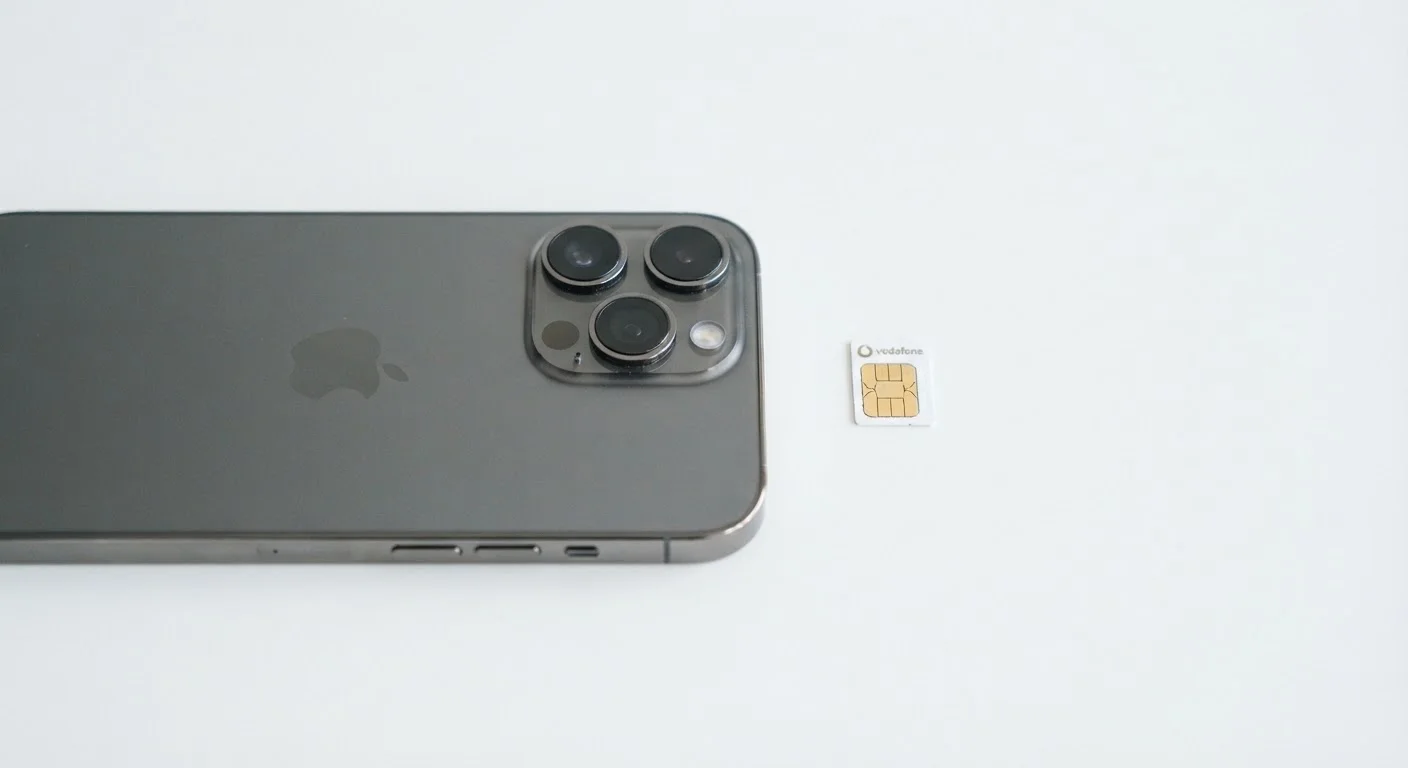
Photo credit: TheBlogZappier.com | Simple Search, Credible Results
In this article
Physical SIMs are no longer the only option. This explainer covers how SIM, eSIM, and dual-SIM setups differ and what each enables.
Key Takeaways
- A SIM card is essentially your phone's identity credential for a cellular network.
- eSIM stores that credential digitally on a chip soldered inside the phone.
- Dual-SIM lets you run two phone numbers or two carrier plans simultaneously.
- eSIM switching between carriers can be done entirely through software, no card swap needed.
- Not every carrier or country fully supports eSIM — always verify before relying on it.
- Some phones combine a physical SIM slot with eSIM, offering maximum flexibility.
What a SIM Actually Does
Before understanding the newer formats, it helps to know what a SIM card actually accomplishes. It stores a small set of identifiers — most importantly an IMSI number and an authentication key — that tell a carrier's network who you are and that you're authorized to use their service. Without one, your phone is essentially a Wi-Fi-only device.
Physical SIM cards have shrunk considerably over the years, from the credit-card-sized original format down to the nano-SIM most phones use today. The size changed; the function didn't. The card still slides into a tray, and if you switch carriers, you swap it out for a new one. Simple and familiar, but physically constrained.
For a broader look at the specs that shape your phone experience, see our phone specs explainer.
How eSIM Changes the Model
An eSIM — short for embedded SIM — is a small chip soldered directly onto a phone's circuit board. Instead of inserting a card, you download a carrier profile over the internet. The profile contains the same credentials a physical SIM would carry, but the delivery method is entirely digital.
From a user perspective, the main differences are convenience and flexibility. Switching carriers on an eSIM-capable phone can mean nothing more than downloading a new profile through an app or QR code, rather than waiting for a card in the mail or visiting a store. You can also store multiple profiles on one eSIM and switch between them in settings.
Check Carrier eSIM Support Before You Commit
If you're considering a phone without a physical SIM tray, confirm that your current carrier — and any carrier you might switch to — supports eSIM activation for that device model. Support varies not just by carrier but sometimes by the specific plan tier. A quick call to your carrier's support line before purchasing can save significant hassle.
One important caveat: eSIM support varies significantly by carrier and region. Before assuming you can activate an eSIM on any network, verify compatibility with that specific carrier. This matters especially when traveling internationally.
eSIM also reclaims the physical space a SIM tray would occupy — useful in smaller devices and a factor in some phones moving toward fully portless designs. That said, a phone with no physical SIM slot is entirely dependent on carrier eSIM support, which isn't universal yet.
Dual-SIM: Two Networks, One Device
Dual-SIM phones can connect to two separate cellular plans simultaneously. The practical benefit is that you don't have to choose: you can have a personal number and a work number on the same handset, or keep a home carrier plan active while adding a local data SIM when you travel.
Over 50
Countries with major eSIM-capable carrier support
According to GSMA data, eSIM consumer support has expanded steadily across North America, Europe, and parts of Asia-Pacific, though rural and developing-market coverage remains inconsistent.
2
Simultaneous active lines on a dual-SIM phone
Most dual-SIM phones keep both lines on standby and allow calls or texts on either number, though only one can typically transmit mobile data at a time in standard DSDS configurations.
There are a few technical variations worth knowing. DSDS (Dual SIM Dual Standby) is the most common — both SIMs are on standby, but only one can use the cellular radio at a time, meaning an incoming call on one line will briefly interrupt data on the other. DSDA (Dual SIM Dual Active) uses two separate radios and avoids that limitation, though it's less common and draws more battery.
Many current phones combine a physical SIM slot with eSIM capability, giving you the dual-SIM benefit without needing two physical cards. This hybrid approach is increasingly common on mid-range and flagship devices alike.
Choosing the Right Setup for Your Situation
For most people with a single carrier plan and no travel needs, the SIM format is irrelevant — your carrier and phone handle it automatically. But a few situations make the distinction matter.
- Frequent international travelers benefit from eSIM because they can add a local data plan without swapping cards or hunting for a SIM shop at the airport.
- People separating work and personal lines often find dual-SIM more convenient than carrying two devices.
- Anyone considering a carrier switch should confirm whether their device is unlocked and whether the new carrier supports eSIM activation or requires a physical card.
If you're mid-decision on a phone purchase, our pre-switch checklist walks through carrier compatibility and other practical questions worth resolving first. And if you want to understand how SIM connectivity fits alongside other wireless standards, the connectivity glossary covers 5G, Wi-Fi 6, and more in plain terms.
Locked vs. Unlocked Phones Matter Here
Whether you use a physical SIM or eSIM, a carrier-locked phone will only work with the carrier that sold it. An unlocked phone gives you the freedom to use any compatible carrier's SIM or eSIM profile. If flexibility between carriers is a priority, confirm the device's lock status before buying.
Frequently Asked Questions

Author
Tech & Electronics Editorial Team
Tech & Electronics Editorial Team is the collective byline for our editorial team and contributor network. Articles published under this byline or an editorial pen name are researched, written, and reviewed according to our editorial standards for clarity, consistency, and independence before publication.
View all articles →