
Switching Your Pet's Food Without Upsetting Their Stomach
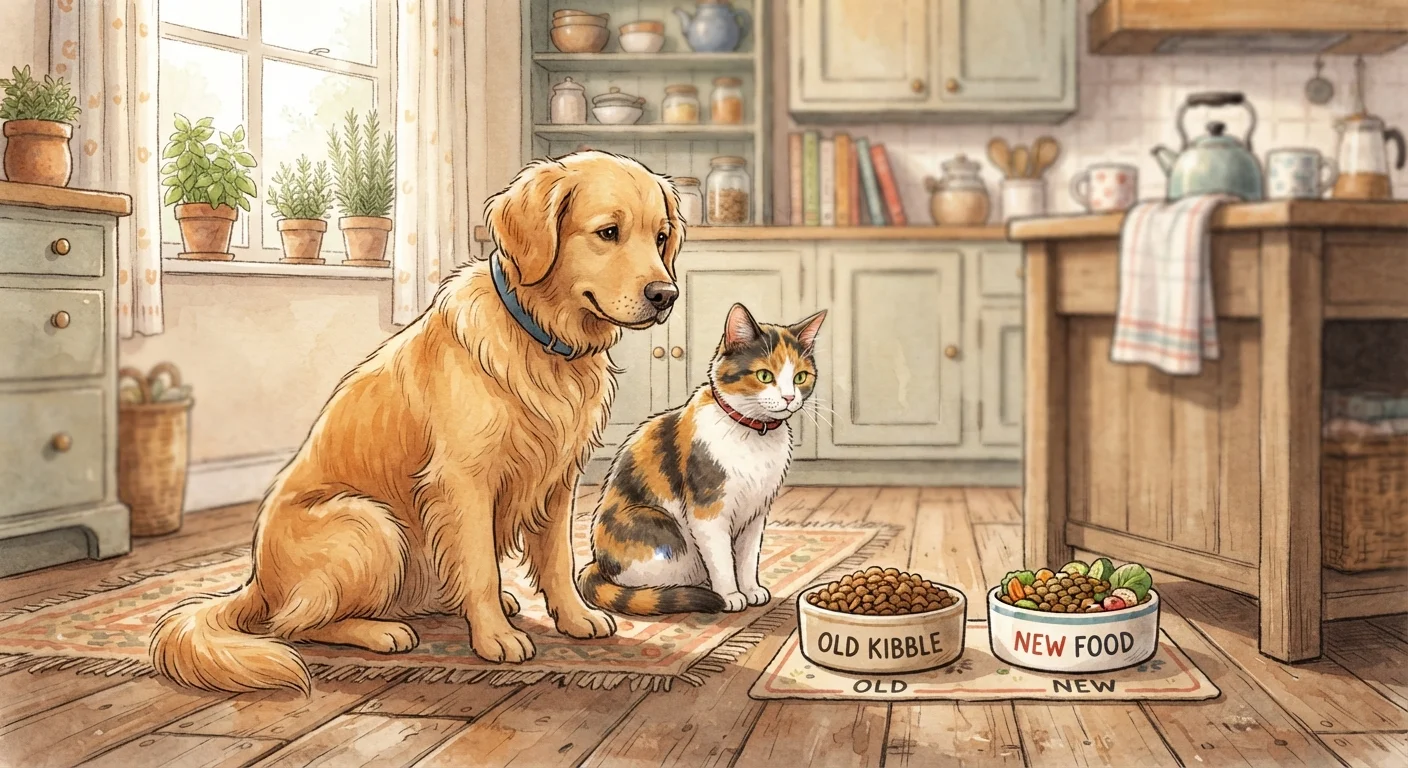
Photo credit: TheBlogZappier.com | Simple Search, Credible Results
In this article
A gradual transition plan for changing pet food, including signs of intolerance and when to pause the process.
Key Takeaways
- A gradual 7–10 day transition reduces the risk of digestive upset when switching pet food.
- Watch for vomiting, diarrhea, or appetite loss as signs the transition may need to slow down.
- Some pets — seniors, those with sensitivities, or pets on prescription diets — need extra care during transitions.
- Consult your veterinarian before switching if your pet has a known health condition or food sensitivity.
- Understanding food labels helps you choose a nutritionally equivalent or improved replacement diet.
Why a Sudden Food Change Causes Problems
A pet's gastrointestinal tract harbors a complex community of bacteria, enzymes, and gut flora specifically adapted to digest their current diet. Introducing a new food abruptly disrupts this microbial balance, often triggering vomiting, loose stools, or a complete refusal to eat. These reactions are not necessarily signs of a bad food — they typically reflect the speed of the change rather than the quality of the new diet.
Different pets have different digestive resilience. Puppies and kittens, senior animals, and pets with a history of food sensitivities or intolerances tend to be more reactive to dietary shifts. Even a healthy adult dog or cat can develop temporary GI distress if a food change happens too fast.
Before you begin, it helps to run through a pre-switch checklist covering label comparisons, vet consultations, and transition timing. If you're also evaluating how the new food fits into the broader landscape of diet categories, our guide on how commercial pet food categories differ can help you make a confident selection.
What you will need
The 7–10 Day Transition Plan
The standard approach recommended by most veterinary nutritionists involves incrementally increasing the ratio of new food to old food over one to two weeks. The exact pace can be adjusted based on your individual pet's response. Below is the step-by-step process.
Days 1–2: 75% Old Food, 25% New Food
Begin by mixing a small amount of new food into the current diet. For most pets, a 3:1 ratio of old to new food is a comfortable starting point. Measure both portions accurately to keep the total daily caloric intake consistent — simply adding new food on top of the usual serving can cause overfeeding.
Days 3–4: 50% Old Food, 50% New Food
If your pet has tolerated the first phase without digestive upset, move to an equal split. Monitor stool quality daily — a slight softening is within normal range, but runny or very frequent stools suggest you should stay at this ratio for an extra day or two before advancing.
Days 5–6: 25% Old Food, 75% New Food
At this stage, the new food is the dominant portion of each meal. Continue observing your pet's appetite, energy level, and stool consistency. Most pets with no underlying sensitivities will handle this ratio well. Pets with more sensitive stomachs may need an extended stay at this phase before completing the switch.
Days 7–10: 100% New Food
By day seven, most pets are ready to transition fully to the new food. For sensitive or elderly pets, a slower approach — extending each phase by two to three extra days — is a reasonable precaution. Once the transition is complete, continue monitoring for a week to confirm your pet is digesting the new diet consistently and maintaining a healthy weight and coat condition.
Slower Is Almost Always Better
When in doubt, extend each phase of the transition by a day or two. A 10–14 day transition is rarely harmful and often beneficial for sensitive pets. The goal is to make the switch as smooth as possible, not as fast as possible.
Recognizing Signs of Intolerance and When to Pause
Mild, brief changes in stool consistency are common during any food transition and usually resolve on their own. However, certain symptoms suggest you should slow the transition or stop entirely and consult a veterinarian.
- Pause the transition if you notice persistent loose stools lasting more than two to three days, increased frequency of defecation, or soft stools accompanied by straining.
- Stop and contact your vet if your pet vomits more than once, shows blood in stool or vomit, becomes lethargic, loses appetite for more than 24 hours, or develops excessive gas with visible abdominal discomfort.
Behavioral cues can also tell you something is off. Reading your pet's body language — posture, ear position, restlessness — can help you spot distress before it becomes a medical issue. Similarly, sudden behavioral changes like appetite loss or unusual lethargy during a food switch may warrant a professional check-in.
Prescription Diets Require Vet Guidance
If your pet is currently eating a prescription or therapeutic diet, do not switch foods without consulting your veterinarian first. These formulas are designed to manage specific health conditions, and substituting them — even temporarily — can affect treatment outcomes. Your vet may also recommend a different transition timeline than the general 7–10 day guideline.
This article provides general educational information about pet nutrition and is not a substitute for personalized veterinary advice. Always consult a licensed veterinarian before making significant changes to your pet's diet, especially if your pet has a health condition.

Author
Pets & Animals Editorial Team
Pets & Animals Editorial Team is the collective byline for our editorial team and contributor network. Articles published under this byline or an editorial pen name are researched, written, and reviewed according to our editorial standards for clarity, consistency, and independence before publication.
View all articles →