
When a Behaviour Change in Your Pet Is Worth a Vet Visit
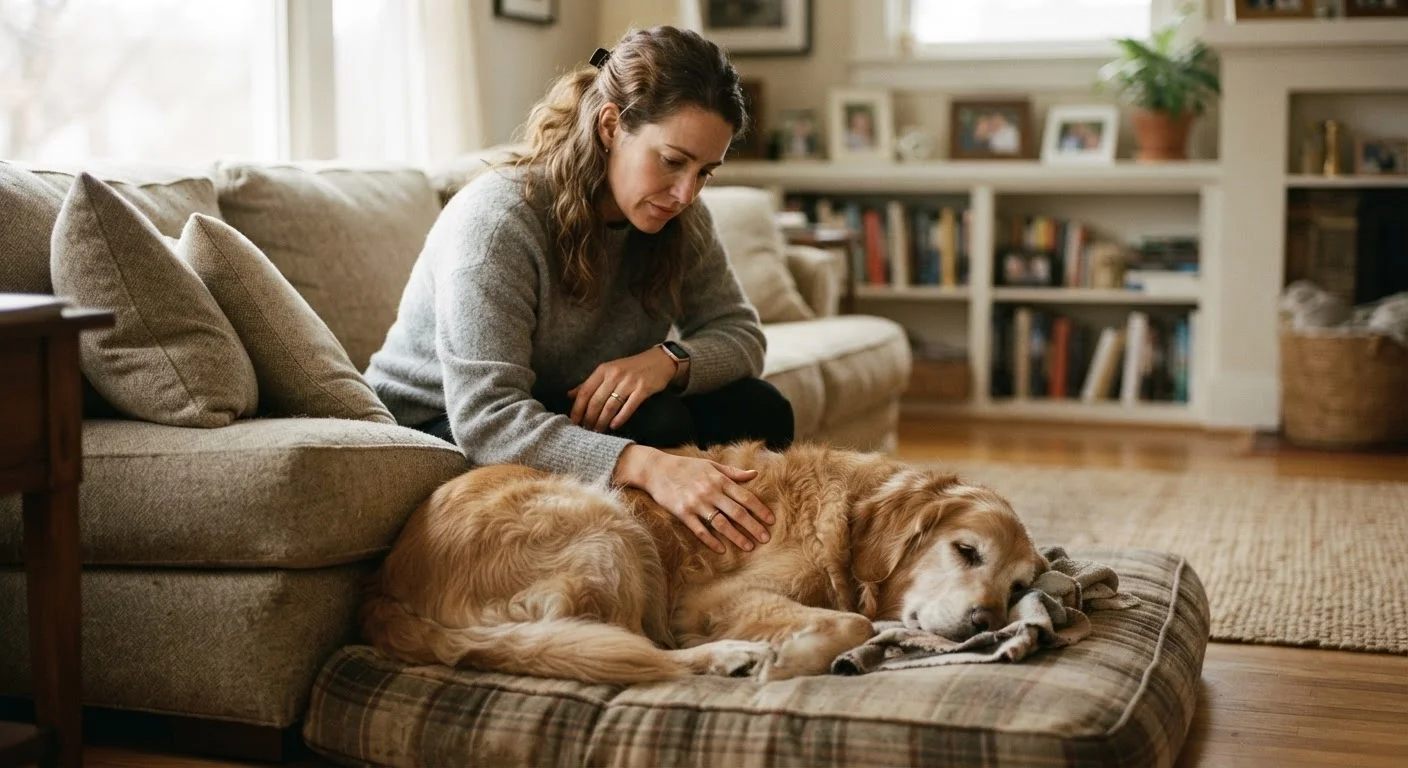
Photo credit: TheBlogZappier.com | Simple Search, Credible Results
In this article
Sudden lethargy, appetite shifts, or unusual aggression can signal underlying health issues. Learn which behavioural changes warrant professional attention.
Key Takeaways
- Sudden behavioural changes in pets often signal pain, illness, or stress rather than bad habits.
- Lethargy, appetite loss, aggression, and hiding are among the most commonly overlooked warning signs.
- Duration and intensity matter: changes lasting more than 24–48 hours warrant a vet call.
- Keeping a brief behaviour log can help your veterinarian diagnose the underlying cause faster.
- Never assume a behaviour change is purely 'age-related' without ruling out treatable conditions first.
Why Behaviour Is Your Pet's Primary Language
Pets communicate health and distress entirely through behaviour. A dog that stops greeting you at the door or a cat that suddenly hides under the bed is not being aloof — they may be telling you something is wrong. Understanding this is the foundation of proactive pet care.
Veterinary professionals consistently note that owner-reported behaviour changes are among the most valuable diagnostic clues they receive. A shift in your pet's normal patterns can predate visible physical symptoms by days or even weeks, making early recognition genuinely important. Learning to read your pet's body language is one of the most practical skills you can develop as an owner.
Behaviour Changes vs. Normal Variation
Not every deviation from routine is a warning sign. Pets have off-days just as people do. The key distinction is persistence and pattern: a dog that skips play one afternoon differs significantly from one that has been disengaged for three days. Context — including recent travel, storms, or schedule disruptions — is always relevant when assessing what is and is not normal for your individual animal.
Behavioural Changes That Warrant a Vet Visit
Not every quirk needs a clinic visit, but the following changes deserve professional attention:
- Lethargy or sudden low energy: If your normally active pet is reluctant to move, play, or engage, and this persists beyond a day or two, it warrants evaluation. Lethargy is associated with a wide range of conditions including infection, anaemia, and organ dysfunction.
- Appetite loss or dramatic increase: Refusing food for more than 24 hours (less in small animals or birds) is a red flag. Conversely, a sudden spike in hunger or thirst can indicate endocrine conditions such as diabetes or Cushing's disease.
- Unprovoked aggression: A pet that snaps, growls, or bites without clear trigger — especially one that has not displayed this behaviour before — may be experiencing pain or a neurological issue.
- Excessive vocalisation: Crying, howling, or whimpering at unusual times, particularly at night, can signal pain, cognitive dysfunction (in older pets), or anxiety.
- Hiding or social withdrawal: Cats in particular tend to hide when unwell. Dogs that stop seeking interaction may be self-protecting.
- Repetitive or compulsive behaviours: Obsessive licking, pacing, or circling can reflect anxiety, neurological conditions, or skin discomfort.
~80%
Behaviour changes linked to physical health
Veterinary behaviourists estimate the majority of sudden behaviour changes in pets have an identifiable physical health component, according to general guidance published by the American Veterinary Medical Association.
48 hours
Recommended window before seeking vet advice
Most veterinary guidelines suggest contacting a professional if a behaviour change in an otherwise healthy adult pet persists beyond 48 hours without clear environmental explanation.
The Role of Context: Duration, Frequency, and Triggers
A single unusual behaviour on one occasion is less concerning than a pattern. When assessing whether to call your vet, consider three factors:
- Duration: Changes lasting more than 48 hours almost always merit a call, regardless of severity.
- Frequency: Occasional episodes that increase over time suggest a worsening condition rather than a one-off event.
- Associated triggers: Recent changes to diet, household composition, or routine can explain some shifts. For example, digestive discomfort from a food transition can cause reluctance to eat — see how to switch your pet's food safely for guidance on distinguishing intolerance from illness.
Keeping a simple daily log — even just a few notes on your phone — gives your veterinarian measurable data rather than impressions. This accelerates diagnosis significantly.
Start a Simple Behaviour Log
You do not need a formal system — a note in your phone app works well. Record the date, what you observed, how long it lasted, and anything unusual that happened beforehand. Even three to four entries give a veterinarian far more to work with than a general impression. This small habit can meaningfully speed up diagnosis and reduce unnecessary follow-up visits.
What Your Vet Will Likely Ask
When you contact a veterinarian about a behaviour change, they will typically want to know: when the change started, whether it was sudden or gradual, any physical symptoms accompanying it (vomiting, limping, changes in urination), and recent changes in environment or diet. Before the appointment, review the pre-switch checklist if a recent diet change may be a factor.
Supporting your pet's overall wellbeing through consistent daily routines helps establish a clear behavioural baseline — making deviations easier to spot and report accurately. Stable routines also reduce stress-related behaviour changes, as animal behaviour research confirms.
“Animals cannot tell us where it hurts. A change in their behaviour — how they move, eat, interact, or rest — is often the only signal we have that something has shifted. Taking those signals seriously is not overreacting; it is good medicine.”
— General veterinary guidance principle, Widely cited in veterinary behavioural medicine literature
This article is for general informational purposes only and is not a substitute for professional veterinary advice. Always consult a licensed veterinarian for concerns about your individual pet's health or behaviour.
Frequently Asked Questions

Author
Pets & Animals Editorial Team
Pets & Animals Editorial Team is the collective byline for our editorial team and contributor network. Articles published under this byline or an editorial pen name are researched, written, and reviewed according to our editorial standards for clarity, consistency, and independence before publication.
View all articles →