
Small Animals and Birds: Nutritional Needs Beyond Pellets
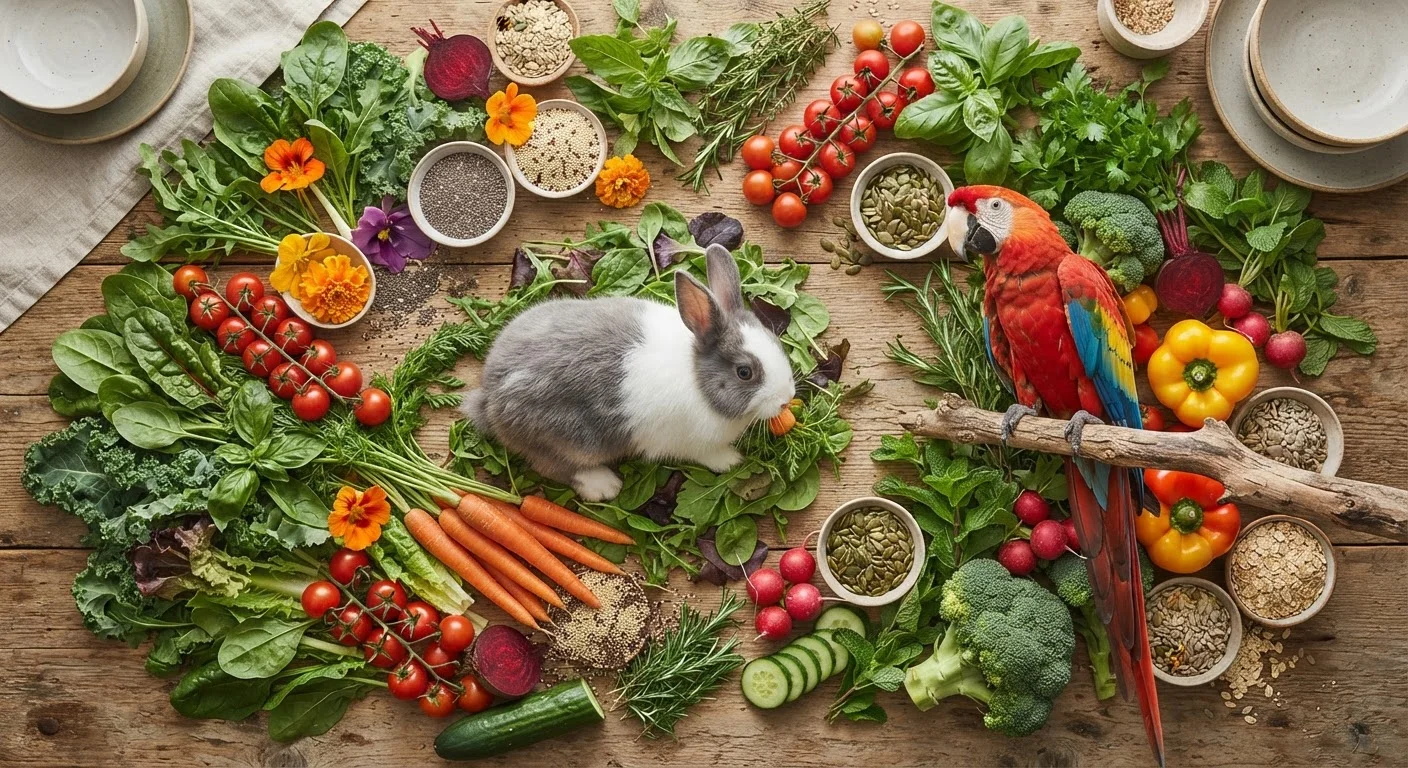
Photo credit: TheBlogZappier.com | Simple Search, Credible Results
In this article
Rabbits, guinea pigs, parrots, and more have dietary needs far beyond packaged pellets. Here's what balanced feeding looks like.
Key Takeaways
- Hay should make up the majority of a rabbit's or guinea pig's daily diet — not pellets.
- Guinea pigs cannot synthesize vitamin C and require it from fresh food daily.
- Parrots and other psittacines need species-appropriate fruits, vegetables, and foraging opportunities.
- Pellets are a supplement to a varied diet, not its foundation for most small animals.
- Overfeeding pellets can cause obesity and dental disease in rabbits and rodents.
- Always consult an exotic-animal veterinarian before making significant dietary changes.
Why Pellets Are a Starting Point, Not the Whole Answer
Walk down any pet store aisle and you'll find pellets marketed as "complete nutrition" for rabbits, guinea pigs, chinchillas, and parrots. While a quality pellet can contribute essential nutrients, treating it as the whole diet misunderstands the biology of these animals.
Herbivores like rabbits and guinea pigs evolved to forage continuously. Their digestive systems — particularly the cecum in rabbits — depend on constant fiber intake to function correctly. A pellet-heavy diet slows gut motility and can contribute to GI stasis, a potentially life-threatening condition in rabbits. For parrots, a seed-only or pellet-only diet fails to replicate the nutritional diversity they'd access through foraging in the wild.
Understanding pet food labels is a useful skill here — the guaranteed analysis on a small animal food tells you minimums and maximums, not the full picture of dietary suitability for that species.
Start With Hay Before Changing Anything Else
If you're unsure where to begin improving your rabbit's or guinea pig's diet, start by ensuring unlimited, fresh grass hay is always available. This single change supports gut health, dental wear, and natural foraging behavior. Dietary refinements like fresh greens and measured pellets can follow once hay intake is consistent.
Hay, Greens, and Forage: The Herbivore Foundation
For rabbits, guinea pigs, and chinchillas, unlimited grass hay should anchor every day's feeding. Timothy hay, orchard grass, and meadow hay support dental health through grinding action and provide the long-stem fiber that keeps the gut moving. Pellets, in contrast, should be measured — typically a small daily portion appropriate to the animal's body weight and life stage.
Fresh leafy greens add variety, hydration, and micronutrients. Cilantro, romaine lettuce, parsley, and dandelion greens are commonly recommended for rabbits and guinea pigs. Introduce any new vegetable gradually over several days to avoid digestive upset.
Guinea pigs have a critical dietary requirement that sets them apart: they cannot synthesize vitamin C internally. Without adequate daily intake from fresh food — bell peppers and leafy greens are reliable sources — they develop scurvy. This is not optional nutrition; it's a non-negotiable biological need. Consult your exotic-animal vet for species-specific amounts.
80%+
Recommended hay proportion of a rabbit's daily diet
Exotic-animal veterinary guidelines consistently recommend that grass hay comprise the vast majority of a rabbit's caloric and fiber intake each day.
10–30 mg
Daily vitamin C requirement for guinea pigs
The general range cited in veterinary literature; your vet can advise on exact amounts based on your pet's individual needs and health status.
50+ years
Potential lifespan of large parrots with proper care
Species like macaws and African grey parrots can live decades, making lifelong nutritional planning especially important for their owners.
Feeding Parrots and Other Birds: Diversity Is the Goal
Psittacines (parrots, cockatiels, conures, and similar birds) are among the most nutritionally misunderstood pets. Wild parrots consume a rotating mix of fruits, vegetables, seeds, nuts, legumes, and even some animal protein depending on species. Replicating that variety in captivity requires deliberate planning.
Most avian veterinarians suggest a diet roughly structured as follows: a base of species-appropriate formulated pellets, supplemented with fresh vegetables (leafy greens, carrots, cooked sweet potato), small amounts of fruit, and limited seeds or nuts as enrichment rather than staples. Avocado, chocolate, caffeine, onion, and garlic are toxic to birds and should never be offered.
Beyond nutrition, feeding method matters. Offering food in foraging toys, scattered across the enclosure, or hidden in natural materials supports the mental engagement birds need. Enrichment through foraging is as important as the nutrients themselves for long-term wellbeing.
“The single biggest mistake bird owners make is feeding a seed-only diet. Seeds are like junk food — birds love them, but they don't provide what a parrot needs to thrive over a lifetime.”
— Greg Harrison, Avian veterinarian and founder of Harrison's Bird Foods, widely cited in avian nutrition literature
Building a Feeding Routine That Works
Consistency matters as much as variety. Establish regular feeding times, measure portions where appropriate, and monitor body weight and eating behavior as indicators of health. Sudden changes in appetite in any small animal or bird warrant a veterinary consultation promptly — these species often mask illness until it becomes serious.
If you're thinking about preparing fresh food at home more deliberately, nutritional completeness standards for home-prepared diets are worth understanding. Always loop in an exotic-animal veterinarian or a board-certified veterinary nutritionist when restructuring a small pet's diet — the margin for error is smaller than with dogs or cats.
A well-structured daily routine that integrates fresh food, hay or foraging, and measured pellets lays the groundwork for a long, healthy life. Daily routines for pet health extend beyond feeding, but nutrition is their cornerstone.
This article is for general informational purposes only and is not a substitute for professional veterinary advice. Always consult a qualified exotic-animal veterinarian for guidance specific to your pet's species, age, and health status.
Frequently Asked Questions

Author
Pets & Animals Editorial Team
Pets & Animals Editorial Team is the collective byline for our editorial team and contributor network. Articles published under this byline or an editorial pen name are researched, written, and reviewed according to our editorial standards for clarity, consistency, and independence before publication.
View all articles →