
Hydration in Pets: How to Tell If Your Animal Is Drinking Enough
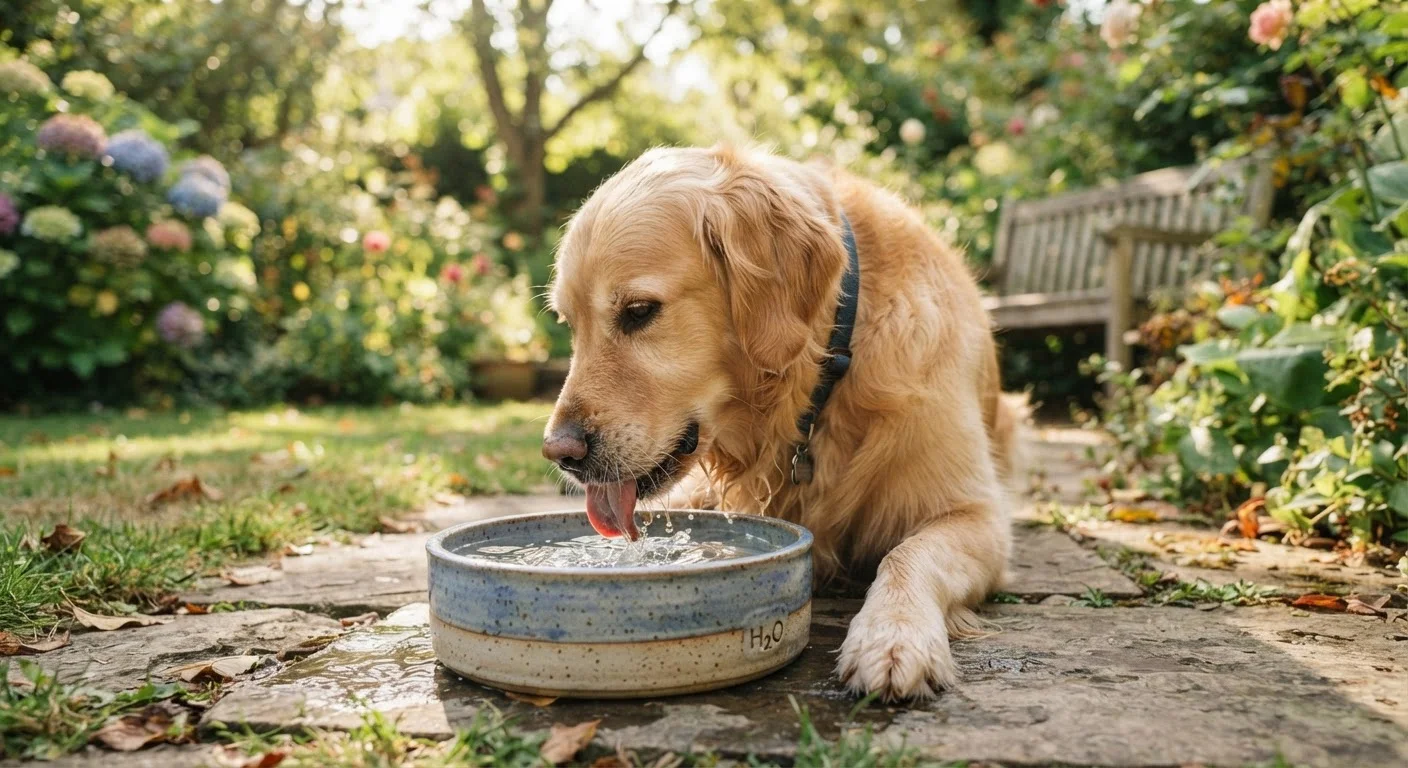
Photo credit: TheBlogZappier.com | Simple Search, Credible Results
In this article
Dehydration can develop quickly in pets, especially in warm weather or after illness. Learn the physical signs and practical steps to support proper fluid intake.
Key Takeaways
- Dehydration can develop rapidly in pets, especially during warm weather, illness, or high activity.
- Skin turgor testing and gum assessment are two quick, reliable at-home checks for hydration status.
- Most dogs need roughly one ounce of water per pound of body weight per day under normal conditions.
- Cats are prone to low water intake and often benefit from wet food or a circulating water fountain.
- Persistent signs of dehydration require prompt veterinary attention — do not attempt home treatment alone.
Why Hydration Matters More Than Many Owners Realize
Water is involved in virtually every physiological process in a pet's body — from regulating body temperature and lubricating joints to supporting digestion and kidney function. Even mild dehydration, defined as a fluid loss of as little as 5% of body weight, can impair these systems noticeably. Yet hydration is one of the most commonly overlooked aspects of daily pet care.
Dehydration risk is not limited to hot days. Illness involving vomiting or diarrhea, increased physical activity, and even dry indoor air in winter can all deplete fluids faster than a pet replenishes them. Cats present a particular challenge: their evolutionary history as desert-adapted hunters means they have a relatively low thirst drive and may not drink enough from a bowl even when their body needs it. For a deeper look at how water interacts with overall nutrition and body function, see our overview of hydration and nutrition.
Incorporating hydration monitoring into your pet's daily care routine takes only a few minutes and can catch problems before they escalate. The steps below walk you through the practical checks and environmental adjustments that make a measurable difference.
What you will need
What You'll Need
No specialized veterinary equipment is required for basic hydration monitoring at home. The following tools support both assessment and prevention.
Clean water bowls (ceramic or stainless steel)
Provides a hygienic vessel for daily water; easier to clean thoroughly than plastic, which can harbor bacteria.
Circulating pet water fountain
Moving water attracts cats and finicky drinkers who prefer fresh-flowing sources over standing water.
Measuring cup
Allows you to track how much water you add and remove each day to estimate your pet's daily intake.
Wet or canned pet food
Provides supplemental moisture, particularly useful for cats or animals recovering from illness.
Encourage Drinking With Simple Environment Tweaks
Many pets drink more when water is fresh, cool, and positioned away from their food bowl. Cats in particular are instinctively cautious about water near their food, a behavior rooted in wild instinct. Placing additional water stations around the home can meaningfully increase daily intake.
Step-by-Step: Assessing and Supporting Your Pet's Hydration
Perform the skin turgor (elasticity) test
Gently pinch a small fold of skin at the back of your pet's neck or between the shoulder blades, then release it. In a well-hydrated animal, the skin snaps back immediately. If it returns slowly or holds its shape for more than a second or two, your pet may be dehydrated. This test is most reliable when you practice it during normal healthy periods so you can recognize what's typical for your individual animal.
Check gum color and moisture
Lift your pet's lip and press your fingertip gently against the gums for about two seconds, then release. Healthy gums should be pink and moist, and the area where you pressed should return to its normal pink color within two seconds — this is called capillary refill time (CRT). Pale, tacky, or dry gums, or a CRT longer than two seconds, are signals that warrant a call to your veterinarian.
Estimate and track daily water consumption
A general guideline for dogs is approximately one ounce of water per pound of body weight per day, though this varies with activity level, diet, and temperature. Cats have lower thirst drives and obtain much of their moisture from food. Use a measuring cup to record how much water you add to the bowl each morning and how much remains each evening. Significant day-to-day drops or spikes in intake can indicate health changes worth discussing with a vet.
Optimize the water setup to encourage drinking
Place multiple water stations in different rooms, particularly for multi-pet households or larger living spaces. Keep bowls clean — rinse and refill them daily, and wash thoroughly several times per week. For cats, position water at a distance from the food bowl. Consider a circulating fountain if your cat ignores standing water. Ensure outdoor water sources are refreshed frequently in warm weather, as heat accelerates bacterial growth.
Adjust intake during high-risk periods
Warm weather, vigorous exercise, illness, nursing, and certain medications all increase a pet's fluid needs. During hot months or after strenuous play, offer water proactively rather than waiting for your pet to approach the bowl. If your pet is recovering from vomiting or diarrhea, consult your veterinarian before attempting to increase water intake on your own, as fluid replacement strategy can depend on the underlying cause.
Know when to contact your veterinarian
Mild, situational dehydration can often be addressed by improving access to clean water and wet food. However, if your pet refuses water for more than 24 hours, shows signs identified in steps 1 or 2, or is also lethargic or not eating, schedule a veterinary appointment promptly. Underlying conditions such as kidney disease, diabetes, or infection can interfere with normal fluid regulation and require professional diagnosis and treatment.
Severe Dehydration Is a Medical Emergency
If your pet shows sunken eyes, extreme lethargy, rapid breathing, or is unable to stand, do not wait to see if symptoms improve. Contact your veterinarian or an emergency animal clinic immediately. Severe dehydration can lead to organ damage within hours if left untreated.
Recognizing Patterns and Knowing When to Act
Hydration status is closely linked to broader health signals. A pet that is drinking significantly more or less than usual — without an obvious environmental explanation — may be experiencing an underlying condition. Increased thirst is associated with conditions including diabetes, kidney disease, and hormonal disorders, while reduced intake is common with dental pain, nausea, and certain infections.
Changes in drinking behavior often accompany other subtle shifts in mood or movement. Learning to read your pet's body language helps you detect early warning signs before they become urgent. If a noticeable behavior change accompanies reduced drinking, consult our guidance on when a behavior change warrants a vet visit.
Never Rely on Thirst Alone as a Signal
Animals — especially cats — do not always show obvious signs of thirst even when mildly dehydrated. By the time a pet actively seeks water, fluid deficit may already be significant. Proactive daily monitoring is more reliable than waiting for behavioral cues.
This article is for general informational purposes only and does not constitute veterinary medical advice. Always consult a qualified veterinarian for concerns about your individual pet's health, diet, or hydration needs.

Author
Pets & Animals Editorial Team
Pets & Animals Editorial Team is the collective byline for our editorial team and contributor network. Articles published under this byline or an editorial pen name are researched, written, and reviewed according to our editorial standards for clarity, consistency, and independence before publication.
View all articles →