
Personal Budgeting From the Ground Up
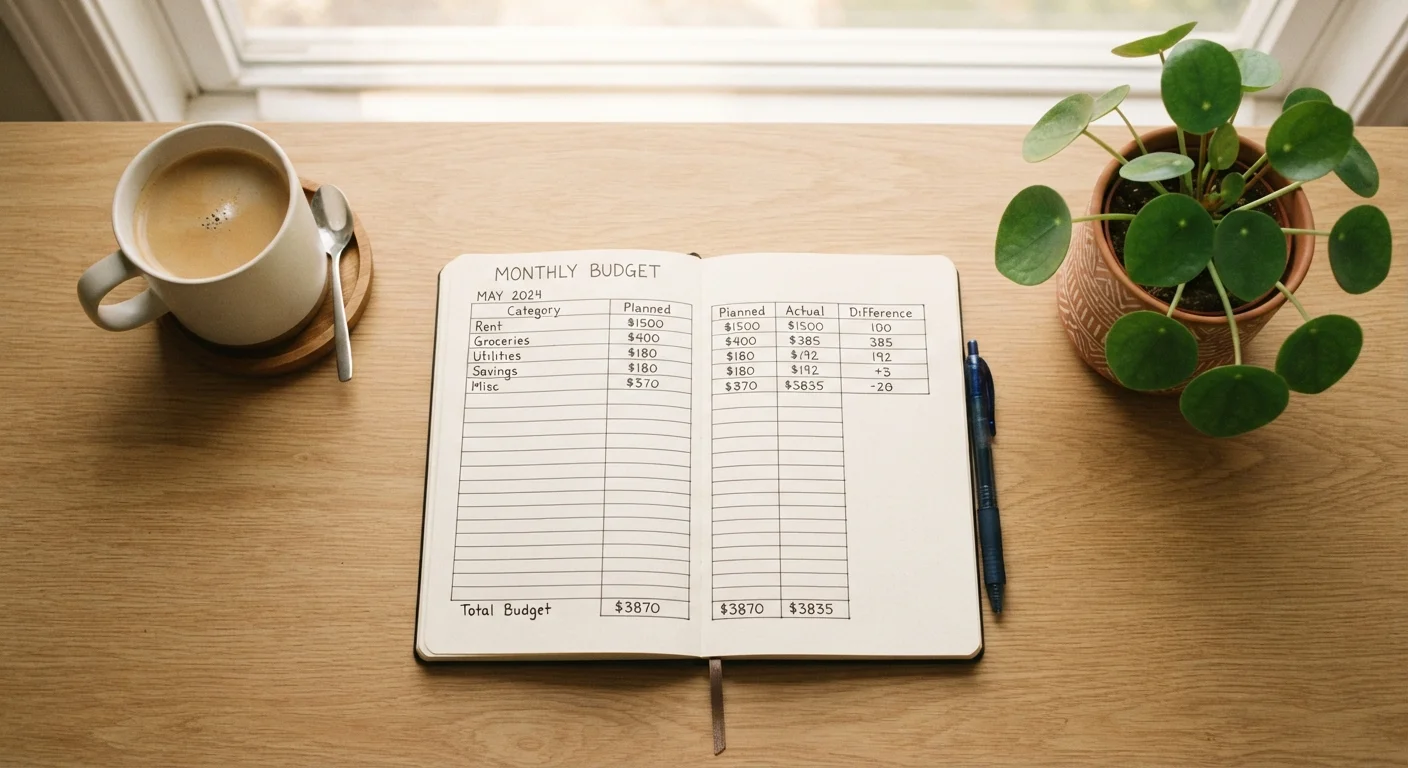
Photo credit: TheBlogZappier.com | Simple Search, Credible Results
In this article
New to budgeting? This comprehensive introduction covers every foundational concept you need to take control of your spending and savings.
Key Takeaways
- A budget is a spending plan — not a punishment — designed to align your money with your priorities.
- Knowing your net income (take-home pay) is the essential starting point for any budget.
- Simple frameworks like the 50/30/20 rule give beginners a workable starting structure.
- Tracking actual spending, not just planning it, is what makes budgets effective.
- Budgets should be reviewed and adjusted regularly as your life and expenses change.
What a Budget Actually Is (and Isn't)
A budget is simply a written plan for how you intend to use your money over a set period — usually a month. That's it. It is not a restriction on your freedom, a sign you are struggling financially, or something only relevant to people in debt. If you've encountered those ideas before, our article on common budgeting myths addresses them directly.
What a budget does is give your spending direction. Without one, money tends to leave your account in ways that are hard to trace — small purchases, overlooked subscriptions, and impulse spending that feels harmless in the moment. A budget makes those patterns visible, which is the first step toward changing them.
Know Your Numbers: Income and Expenses
Before you can build a budget, you need two figures: how much money comes in and how much goes out. Both require more precision than most people expect.
Your Net Income
Net income — your take-home pay after taxes and deductions — is the number that matters for budgeting, not your gross salary. If you are paid biweekly, multiply one paycheck by 26, then divide by 12 to get a monthly figure. If your income varies, use a conservative estimate based on your lower-earning months.
Your Actual Expenses
Pull your last two to three months of bank and credit card statements. Categorize every transaction: housing, food, transportation, utilities, subscriptions, entertainment, and so on. Most people are surprised by what they find. This honest accounting — not guessing — is what makes a budget realistic rather than aspirational.
Use Real Data, Not Estimates
When cataloguing your expenses for the first time, always pull actual account statements rather than estimating from memory. Most people underestimate their spending in categories like dining and subscriptions by a significant margin. Real numbers produce a budget that is grounded in your actual life — not an idealized version of it.
Choosing a Budgeting Framework
There is no single correct budgeting method. The best one is the one you will actually use. Here are three widely used frameworks:
- 50/30/20 rule: Allocate approximately 50% of net income to needs (rent, groceries, utilities), 30% to wants (dining out, entertainment, hobbies), and 20% to savings and debt repayment. It is flexible and beginner-friendly.
- Zero-based budgeting: Every dollar of income is assigned a specific purpose until income minus allocations equals zero. This approach requires more tracking but gives complete visibility into where money goes.
- Envelope method: Cash (or digital category limits) is divided into labeled envelopes for each spending category. When an envelope is empty, spending in that category stops for the month.
Each framework has trade-offs. The 50/30/20 rule works well as a starting point. If you want a deeper understanding of the vocabulary involved in any of these systems, our budgeting terms glossary is a useful companion reference.
Percentages Are Starting Points
Guidelines like the 50/30/20 rule are general frameworks, not prescriptions. If you live in a high-cost-of-living area, your housing costs alone may exceed 50% of take-home pay — and that is a reality to budget around, not a failure. Adjust percentages based on your actual circumstances and financial goals rather than forcing your life to fit a formula.
Building Your First Budget Step by Step
With your income figure and expense categories in hand, follow these steps:
- List your monthly net income at the top of a sheet or spreadsheet.
- List fixed expenses first — rent or mortgage, loan payments, insurance premiums. These rarely change month to month.
- Estimate variable necessities — groceries, gas, utilities. Use your past statements as a guide rather than guessing.
- Allocate for savings goals before discretionary spending. Treating savings as a non-negotiable line item — rather than whatever is left over — is one of the most effective habits in personal finance. For help setting those goals, see our guide on building your first savings plan.
- Assign remaining funds to discretionary categories (dining, entertainment, clothing) based on what's realistic given your income and goals.
- Check the math: Total allocations should equal your net income. If you have a shortfall, identify which discretionary categories to reduce. If you have a surplus, direct it intentionally — savings, debt repayment, or a specific goal.
Managing debt alongside a new budget can feel overwhelming. Understanding how credit and debt work is a natural complement to budgeting basics — our foundation guide for first-time borrowers covers the essentials.
Staying Consistent and Adjusting Over Time
Creating a budget is a one-time task. Maintaining one is an ongoing practice. The two habits that make the biggest difference are tracking and reviewing.
Track your actual spending against your plan throughout the month — weekly check-ins take less than ten minutes and prevent surprises at month-end. At the end of each month, compare planned versus actual spending by category. Where did you overshoot? Where did you underspend? Use that information to adjust next month's allocations.
Budgets also need to evolve as your life changes. A raise, a new rent amount, a change in household size — each of these is a trigger to revisit your plan from scratch. If you share finances with a partner, those conversations carry additional complexity; our article on budgeting as a couple offers practical guidance for that dynamic.
Once your budget is stable and you have built a small savings cushion, a logical next step is learning how to grow those savings. The Saving & Investing hub is a good place to explore what comes after budgeting basics.
This article is for general informational and educational purposes only and does not constitute personalized financial advice. Consult a qualified financial professional for guidance tailored to your specific circumstances.
Frequently Asked Questions

Author
Money & Finance Editorial Team
Money & Finance Editorial Team is the collective byline for our editorial team and contributor network. Articles published under this byline or an editorial pen name are researched, written, and reviewed according to our editorial standards for clarity, consistency, and independence before publication.
View all articles →