
Reviewing Your Insurance Coverage: A Practical Checklist
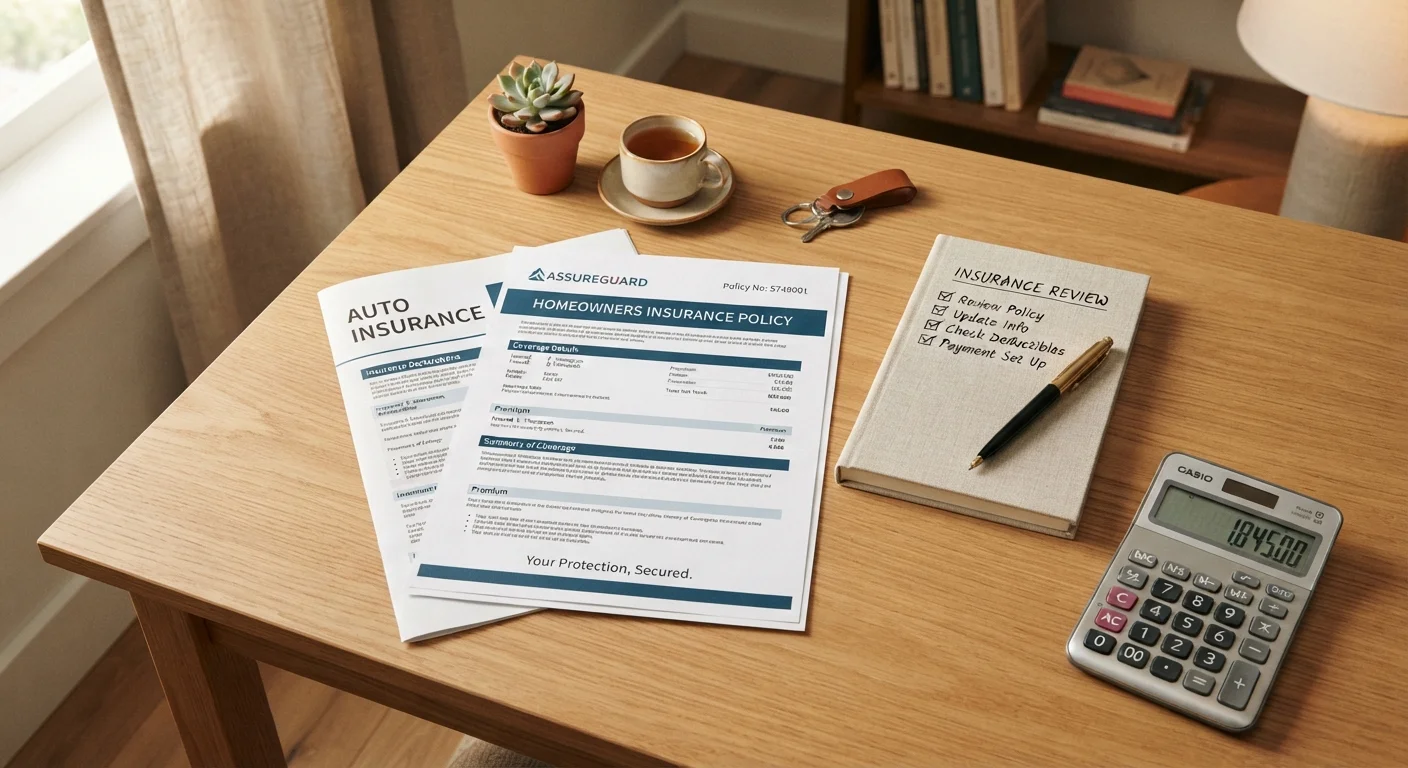
Photo credit: TheBlogZappier.com | Simple Search, Credible Results
In this article
Use this checklist to audit your existing health, auto, home, and life coverage for gaps, overlaps, and outdated limits.
Key Takeaways
- Life changes - marriage, a new home, a new job - are the most common triggers for coverage gaps.
- Outdated coverage limits and forgotten beneficiary designations can undermine even a well-intentioned policy.
- Reviewing all four major coverage types together reveals overlaps and gaps that a single-policy review misses.
- Your actual policy documents, not just premium bills, are the source of truth for what you're covered for.
- An annual review is a reasonable baseline; major life events warrant an immediate check.
Why an Insurance Review Matters
Insurance isn't a set-it-and-forget-it purchase. Your coverage needs shift as your income, assets, dependents, and health situation evolve - and policies that were a reasonable fit three years ago may leave significant gaps today. This checklist is designed to help you audit your existing health, auto, home, and life coverage in a single, structured session.
For a broader grounding in what each coverage type actually does, see The Main Insurance Coverage Categories, Explained before working through the items below. If you're evaluating a new policy rather than reviewing an existing one, A Checklist for Reviewing Any Insurance Policy Before You Sign covers that distinct process.
Before you start, gather your current policy documents - not just billing statements - along with any recent life-event paperwork (marriage certificate, closing documents, new employment benefit summaries). You'll also want a notepad to log questions for a licensed insurance agent or adviser, who can speak to your specific situation. This checklist provides general educational guidance and is not a substitute for professional advice.
Current policy documents
The primary source of truth for your actual coverage terms, limits, exclusions, and deductibles.
Recent life-event paperwork
Documents such as a marriage certificate, home closing statement, or new benefits summary help confirm what has changed since your last review.
Home inventory list
A record of your personal property and estimated values, used to verify that your personal property coverage limit is adequate.
Licensed insurance agent or adviser
A qualified professional who can answer questions specific to your situation and help you make changes to your coverage.
The Coverage Audit Checklist
Work through each group methodically. Mark items that reveal a mismatch between what your policy states and what your current life circumstances require. Those mismatches become the agenda for a follow-up conversation with a licensed agent.
Preparation
Health Insurance
Auto Insurance
Home or Renters Insurance
Life Insurance
Beneficiary Designations Override Your Will
Life insurance and retirement account beneficiary designations are legally binding and take precedence over instructions in a will. If a beneficiary designation is outdated - listing a former spouse, a deceased relative, or no one at all - the proceeds may not go where you intend. Review these designations every time your family situation changes, and confirm them during your annual review even if nothing obvious has changed.
Coverage Gaps After Major Life Events
Marriage, divorce, the birth of a child, a home purchase, and a job change are among the most common triggers for serious coverage gaps. Most insurers do not automatically update your policy to reflect these changes - you must notify them. If you've had any of these events since your last review and haven't contacted your insurer, treat those policy areas as your highest-priority items in this checklist.
Don't Rely on Premium Bills as Coverage Proof
A billing statement confirms you're paying for a policy - it does not detail what that policy covers. Always reference the full policy document, including any endorsements (additions or modifications), when assessing your actual coverage. Summaries provided by employers or insurance marketplaces may also omit exclusions that appear only in the complete policy text.
Turning Your Findings Into Action
A completed checklist is only useful if the gaps and questions it surfaces are addressed. Prioritize items flagged as must - these represent the coverage areas where an unaddressed gap could have a serious financial or legal consequence.
Insurance premiums are a meaningful budget line, so it's worth reviewing them alongside your broader financial picture. Your End-of-Month Budget Audit can help you see how your total premium spending fits into monthly cash flow. If you're building financial resilience more broadly, Before You Invest: A Financial Readiness Checklist offers a complementary view of financial preparedness.
For help interpreting policy language once you've identified sections to revisit, Reading a Policy Document: A Step-by-Step Walkthrough for Everyday Consumers provides a structured guide to navigating policy text.
Set a reminder to repeat this review annually, or immediately after any major life event - whichever comes first.
This article is for general informational and educational purposes only. It does not constitute personalized insurance, financial, or legal advice. Coverage terms, exclusions, and eligibility vary by provider and state. Always read your actual policy documents and consult a licensed insurance agent or adviser regarding your specific circumstances.

Author
Insurance Basics Editorial Team
Insurance Basics Editorial Team is the collective byline for our editorial team and contributor network. Articles published under this byline or an editorial pen name are researched, written, and reviewed according to our editorial standards for clarity, consistency, and independence before publication.
View all articles →