
Plant-Based Protein vs. Animal Protein: Nutritional Similarities and Differences
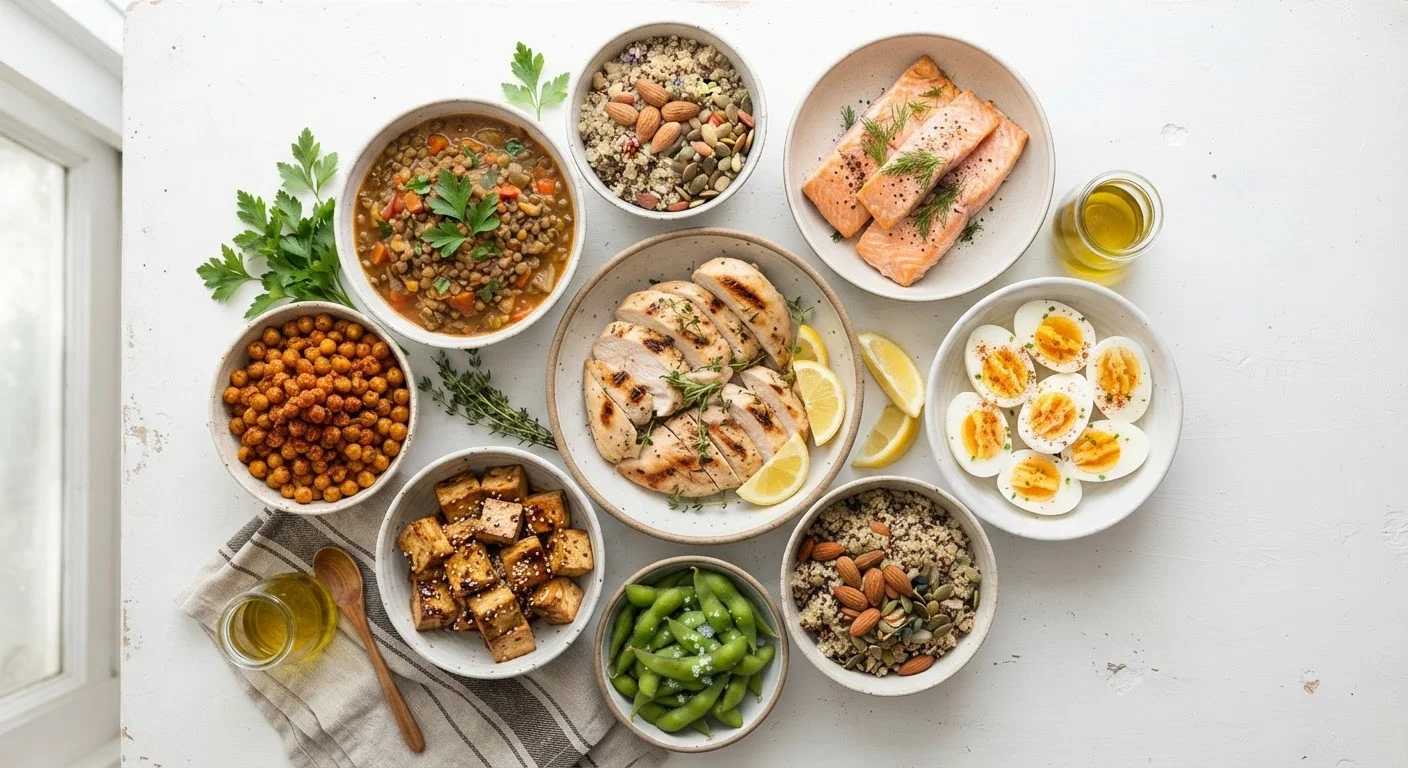
Photo credit: TheBlogZappier.com | Simple Search, Credible Results
In this article
A side-by-side look at how plant and animal protein sources compare on amino acid profiles, bioavailability, and dietary context.
Key Takeaways
- Animal proteins are generally 'complete,' containing all nine essential amino acids in adequate amounts.
- Most plant proteins are 'incomplete,' but combining different plant foods can achieve a full amino acid profile.
- Animal protein tends to have higher bioavailability, meaning the body absorbs and uses it more efficiently.
- Plant proteins often deliver additional nutrients like fiber, antioxidants, and phytochemicals not found in meat.
- Both protein types can support health goals; dietary context, variety, and overall eating patterns matter most.
- Consult a registered dietitian for personalized protein guidance, especially if managing a health condition.
What Makes a Protein 'Complete' or 'Incomplete'?
Proteins are built from amino acids - organic compounds the body uses for everything from muscle repair to enzyme production. Of the 20 amino acids, nine are classified as essential, meaning the body cannot synthesize them and must obtain them from food. A protein source is called complete when it supplies all nine essential amino acids in sufficient quantities.
Animal proteins - including meat, poultry, seafood, eggs, and dairy - are consistently complete. Plant proteins tell a more varied story. Most individual plant foods, such as beans or rice, are low in one or more essential amino acids, making them technically incomplete on their own. However, this does not mean plant-based diets are inherently deficient. Eating a variety of plant foods throughout the day - for example, legumes paired with grains - can deliver a full complement of essential amino acids. Soy and quinoa are notable exceptions, as both are considered nutritionally complete plant proteins.
For a broader look at how whole food sources differ from more processed options, see our guide to whole foods vs. processed foods.
| Criterion | Animal Protein | Plant-Based Protein |
|---|---|---|
| Amino acid completeness | Complete (all 9 essential AAs) | Often incomplete; soy and quinoa are exceptions |
| Bioavailability (DIAAS) | Generally high (>1.0) | Moderate to lower; improved by preparation |
| Saturated fat content | Variable; higher in red meat, dairy | Generally low |
| Dietary fiber | None | Present in most sources |
| Vitamin B12 | Naturally present | Absent; requires fortification or supplementation |
| Heme iron | Present; highly absorbable | Absent (non-heme iron only; lower absorption) |
| Phytochemicals | Absent | Rich and varied |
| Common sources | Meat, poultry, fish, eggs, dairy | Legumes, tofu, tempeh, seitan, quinoa, nuts |
Bioavailability: How Well Does the Body Actually Use Each Source?
Bioavailability refers to the proportion of a nutrient that the body absorbs and uses after digestion. On this measure, animal proteins generally score higher. Scientists use a metric called the Digestible Indispensable Amino Acid Score (DIAAS) to rank protein quality; most animal proteins score above 1.0, while many plant proteins score below that threshold.
Fiber, phytic acid, and certain polyphenols found naturally in plant foods can partially inhibit protein digestion. Cooking, soaking, fermenting, and sprouting can reduce these effects substantially, improving amino acid availability. Tempeh, a fermented soy product, is a good example of how food preparation improves plant protein digestibility.
~20-30%
Typical plant protein digestibility gap vs. animal protein
Research using the DIAAS framework suggests many plant proteins are digested at roughly 20-30% lower rates than high-quality animal proteins, though preparation methods can narrow this gap.
~1 in 5
US adults identifying as flexitarian or plant-forward eaters
Survey data from the International Food Information Council indicates a growing share of US consumers are actively moderating or diversifying their protein sources.
10-35%
Recommended daily calorie range from protein (DRI)
The Dietary Reference Intakes established by the National Academies of Sciences recommend that protein comprise 10-35% of total daily calories for healthy adults.
Despite the bioavailability gap, research suggests that people who eat diverse plant-based diets can meet their protein needs without issue, provided total caloric and food variety are adequate. The gap is more relevant when protein intake is already marginal than when overall nutrition is well-managed.
Beyond Protein: What Else Each Source Delivers
Comparing protein sources solely on amino acids overlooks the broader nutritional package each food delivers.
Animal proteins supply nutrients that are difficult to obtain from plants alone, including:
- Vitamin B12 - essential for nerve function and red blood cell production; virtually absent from plant foods unless fortified
- Heme iron - the form of iron most readily absorbed by the body
- Zinc and selenium - trace minerals with higher bioavailability from animal sources
- Omega-3 fatty acids (EPA and DHA) - found in fatty fish in forms the body uses directly
Plant proteins, by contrast, arrive packaged with benefits of their own:
- Dietary fiber - supports digestive health and has associations with reduced cardiovascular risk
- Phytochemicals and antioxidants - plant compounds linked to reduced inflammation in observational research
- Lower saturated fat - most legumes and soy foods contain little saturated fat compared to red meat or full-fat dairy
Choosing between sources isn't binary. Many dietary patterns - including the Mediterranean and DASH diets - integrate both, emphasizing the overall eating pattern rather than any single food.
This article is for general informational purposes only and does not constitute medical or dietary advice. Speak with a registered dietitian or qualified healthcare professional before making significant changes to your diet, especially if you have a medical condition or specific nutritional needs.

Author
Health & Wellness Editorial Team
Health & Wellness Editorial Team is the collective byline for our editorial team and contributor network. Articles published under this byline or an editorial pen name are researched, written, and reviewed according to our editorial standards for clarity, consistency, and independence before publication.
View all articles →