
Mental Wellbeing Across the Lifespan: How Needs and Challenges Shift
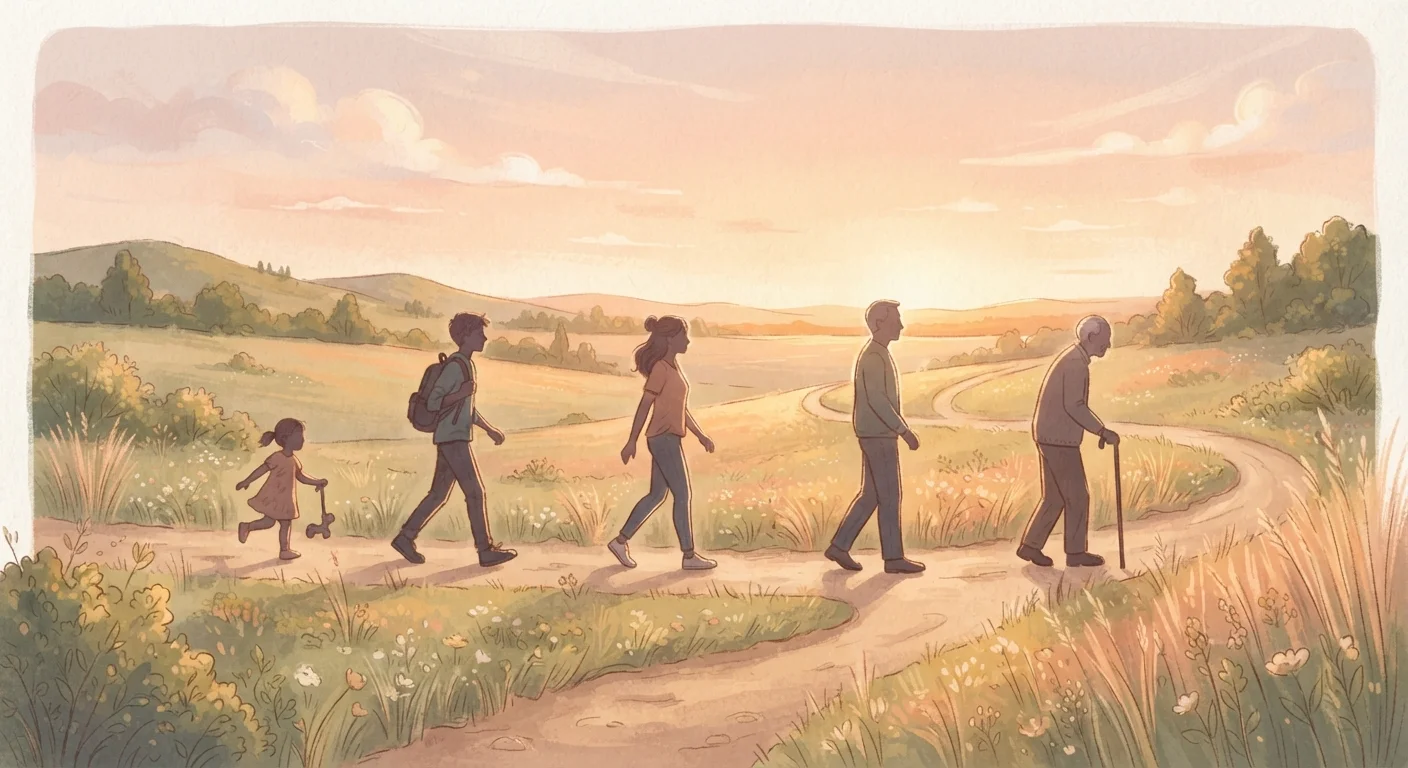
Photo credit: TheBlogZappier.com | Simple Search, Credible Results
In this article
From adolescence to older adulthood, emotional wellbeing needs evolve. This guide maps the key psychological transitions and what generally supports each stage.
Key Takeaways
- Psychological needs and stressors shift meaningfully at each life stage, not just in degree but in kind.
- Adolescence involves identity formation and heightened emotional sensitivity rooted in brain development.
- Early adulthood often brings compounding stressors - career, relationships, and financial pressure simultaneously.
- Midlife can involve grief for unlived possibilities alongside genuine growth and values clarification.
- Older adults face distinct challenges around loss and purpose, but wellbeing can remain high with the right supports.
- Regular self-monitoring and professional guidance remain relevant across every stage of life.
Why Wellbeing Needs Change Over Time
Mental wellbeing is not a fixed state - it is shaped continuously by biology, social context, and the evolving demands we face. The psychological challenges relevant at 17 look very different from those at 47 or 72, not because wellbeing deteriorates in a straight line, but because the tasks of living change.
Developmental psychology describes broadly predictable transitions - forming identity, building intimacy, finding purpose, accepting mortality - each of which carries characteristic emotional pressures. Understanding which stage you or someone you care about is navigating can help make sense of specific struggles and point toward genuinely useful supports.
If you are new to thinking intentionally about your mental health, this grounded introduction covers foundational concepts before exploring how they play out across life stages.
This article provides general health information and education. It is not a substitute for advice from a qualified mental health professional.
50%
Mental health conditions begin by age 14
The World Health Organization reports that half of all mental health conditions have their onset by age 14, underscoring the importance of early-life support.
1 in 3
Adults report feeling lonely regularly
A 2023 advisory from the U.S. Surgeon General identified loneliness and social isolation as a significant public health concern, affecting people across all age groups.
7-9 hrs
Recommended nightly sleep for adults
The American Academy of Sleep Medicine and Sleep Research Society jointly recommend 7-9 hours of sleep per night for most adults to support cognitive and emotional health.
Adolescence and Young Adulthood (Ages 12-25)
The teenage years and early twenties are defined by a brain still actively developing - particularly the prefrontal cortex, which governs impulse control, long-term planning, and emotional regulation. This biological reality means heightened emotional intensity is not a character flaw; it is a developmental phase.
Key wellbeing tasks during this period include forming a coherent sense of identity, navigating peer relationships and social belonging, and beginning to separate from family of origin. Academic and early career pressures often intensify simultaneously, making this stage one of the highest-risk windows for the onset of anxiety and mood disorders.
Supportive environments matter enormously here. Consistent relationships with trusted adults, age-appropriate autonomy, and access to mental health literacy - knowing how to name and discuss emotions - all build resilience. Sleep is especially non-negotiable at this stage: research consistently links insufficient sleep in adolescents to worsened mood, concentration, and stress tolerance.
When supporting adolescents, prioritise connection over correction. A young person who feels genuinely heard is far more likely to seek help when they need it.
Research in adolescent development consistently shows that perceived adult support - not surveillance or advice-giving alone - is one of the strongest buffers against mental health decline in young people.
In early-to-mid adulthood, treat social time as a maintenance activity, not a luxury. Schedule it with the same seriousness you would a work commitment.
Longitudinal studies, including the Harvard Study of Adult Development, identify quality social relationships as among the strongest predictors of long-term wellbeing and even physical health outcomes.
Early to Mid-Adulthood (Ages 26-45)
This stage is often characterised by compounding demands arriving simultaneously. Career establishment, intimate partnerships, parenting, caregiving for aging parents, and significant financial decisions can all converge within a relatively short window. The psychological challenge is less about any single stressor and more about managing multiple roles with limited recovery time.
Burnout - a state of chronic, unmanaged workplace stress - is particularly prevalent during this period. It manifests as emotional exhaustion, cynicism, and reduced sense of efficacy, and it does not resolve simply by taking a vacation. Understanding how workplaces can meaningfully support employee wellbeing can help individuals and managers alike recognise structural contributors to strain.
Social connection - a consistent predictor of wellbeing across all age groups - is also at risk during this life stage, as friendships frequently become harder to maintain under time and energy constraints. Intentional investment in relationships, even in small doses, tends to return outsized psychological benefit.
A Simple Reframe for Busy Adults
If dedicated self-care routines feel unrealistic, look for micro-moments instead: a ten-minute walk without your phone, a brief conversation with a friend, or a few minutes of deliberate breathing before a stressful meeting. These small interventions, repeated consistently, accumulate meaningful benefit over time. Waiting for a long stretch of free time before prioritising wellbeing often means indefinitely postponing it.
Midlife (Ages 46-64)
Midlife is culturally associated with crisis, but research suggests a more nuanced picture. Many people experience a genuine deepening of self-awareness and values clarity during this period. At the same time, real losses accumulate: the death of parents, health diagnoses that reframe physical invincibility, children leaving home, and sometimes a reckoning with paths not taken.
Hormonal shifts - including perimenopause and changes in testosterone levels - can directly affect mood, sleep quality, and energy, making it important to distinguish physiological contributors to emotional difficulty from purely psychological ones. A conversation with a healthcare provider is warranted when mood changes coincide with other physical symptoms.
This stage also frequently involves caregiving for aging relatives while still working, a dual pressure sometimes called the "sandwich generation" burden. Boundary-setting and accessing available support systems are practical priorities, not indulgences. Sleep disruption, common in midlife, warrants its own attention; poor sleep amplifies emotional reactivity and impairs the cognitive flexibility needed to navigate complex life demands.
Older Adulthood (Ages 65 and Beyond)
Contrary to common assumption, large-scale survey research suggests that self-reported life satisfaction and emotional wellbeing often remain stable or even improve into older adulthood for many people - a pattern sometimes called the "aging paradox." Older adults tend to prioritise meaningful relationships, manage emotions more effectively, and report fewer negative emotional states on average than younger adults.
However, genuine risks exist. Social isolation and loneliness are significantly elevated in this group and are associated with poorer cognitive and physical health outcomes. Bereavement, loss of functional independence, and the psychological weight of mortality are real stressors that deserve acknowledgment rather than minimisation.
Purpose and engagement remain powerful protective factors. Volunteering, mentorship, creative pursuits, and maintained social roles all support wellbeing. Physical activity continues to benefit mental health well into old age - the article on how movement needs shift across a lifetime offers useful framing on this. Depression and anxiety in older adults are underdiagnosed and undertreated; if symptoms arise, consulting a healthcare professional is important rather than assuming they are an inevitable part of aging.
Depression in Older Adults Is Not Inevitable
Depression and anxiety in people aged 65 and older are often misattributed to normal aging or mistaken for grief. Both conditions are treatable at every age, and effective interventions - including therapy and, when appropriate, medication - are available. If you or an older adult in your life is experiencing persistent low mood, loss of interest, or withdrawal, please consult a qualified healthcare professional rather than assuming these symptoms will pass on their own.
Practices That Span Every Stage
While the specific pressures at each life stage differ, several evidence-informed practices support mental wellbeing across the entire lifespan. Sleep adequacy, regular physical movement, social connection, and a sense of meaning or purpose appear as consistent predictors of wellbeing in research across age groups.
Self-monitoring - periodically checking in on your mood patterns, energy, stress levels, and sleep - helps catch early warning signs before they compound. Our monthly mental wellbeing check-in guide offers a structured way to build this habit regardless of life stage.
Professional support - from therapists, counsellors, or primary care providers - is appropriate at any age and is not a sign of severity. Many people benefit from periodic mental health consultations even during periods of relative stability, much as they would from an annual physical examination.
Monthly Mental Wellbeing Check-In
A structured self-audit covering sleep, mood patterns, stress, and social connection to help you notice early changes before they compound. Useful at any life stage.
SAMHSA National Helpline
The Substance Abuse and Mental Health Services Administration offers a free, confidential helpline (1-800-662-4357) connecting callers to local mental health and support services across the U.S.
Workplace Mental Wellbeing Principles
An overview of what meaningful workplace mental health support looks like, covering psychological safety, workload design, and open communication - relevant particularly for early-to-mid adulthood.
This article is for general informational and educational purposes only and does not constitute medical or mental health advice. Always consult a qualified healthcare professional for guidance specific to your circumstances.

Author
Health & Wellness Editorial Team
Health & Wellness Editorial Team is the collective byline for our editorial team and contributor network. Articles published under this byline or an editorial pen name are researched, written, and reviewed according to our editorial standards for clarity, consistency, and independence before publication.
View all articles →