
Starting From Zero: A Practical Introduction to Regular Exercise
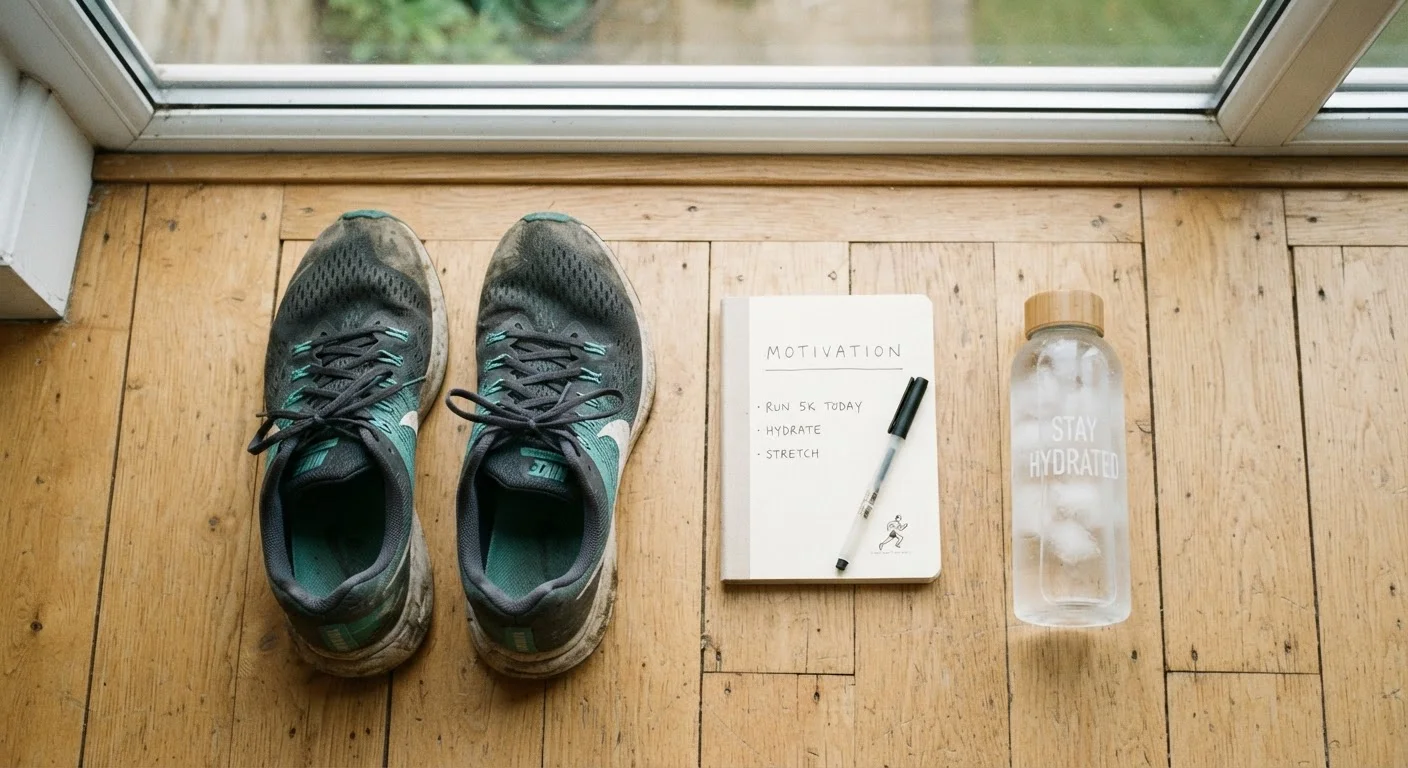
Photo credit: TheBlogZappier.com | Simple Search, Credible Results
In this article
Never exercised consistently before? This guide covers the fundamentals of building a movement routine that fits your life and lasts.
Key Takeaways
- Starting with short, manageable sessions reduces the risk of burnout and injury.
- Regular movement supports cardiovascular health, mood, sleep quality, and energy levels.
- Consistency over time matters far more than intensity in the early stages.
- Pairing exercise with an existing habit - called habit stacking - improves follow-through.
- Always consult a healthcare provider before beginning exercise if you have existing health conditions.
Why Starting Small Actually Works
One of the most persistent myths about exercise is that results only come from intensity - long sessions, heavy weights, or exhausting cardio. For beginners, this belief often leads to overexertion in week one and complete abandonment by week three.
The evidence points in the opposite direction. Behavioral research consistently shows that small, repeatable actions are the building blocks of lasting habits. A 15-minute walk three times a week that you actually complete outperforms an ambitious gym program you abandon within a month. The goal at the outset is not transformation - it is establishing movement as a normal, expected part of your week.
Physiologically, even modest increases in physical activity produce measurable health benefits. Improved cardiovascular function, better insulin sensitivity, and reduced risk of certain chronic conditions have all been observed with moderate, consistent movement. Starting small is not a compromise - it is a strategy.
The Two-Minute Rule for Getting Started
When starting a new exercise habit, commit only to two minutes at first. The goal is simply to begin - put on your shoes and step outside, or unroll your mat. In practice, most people continue once they have started. Lowering the perceived barrier to entry is often more effective than increasing willpower.
Understanding the Basics of Movement
A well-rounded exercise routine typically includes three types of movement: aerobic exercise, strength training, and flexibility or mobility work. You do not need all three from day one, but understanding what each contributes helps you build a more complete routine over time.
Aerobic exercise
Physical activity that raises your heart rate and breathing over a sustained period, such as walking, jogging, or cycling. It primarily trains your heart and lungs.
Strength training
Exercise that works muscles against resistance - whether your own bodyweight, free weights, or machines - to build muscle strength and endurance over time.
Delayed onset muscle soreness (DOMS)
The muscle aching or stiffness that appears 24-48 hours after unfamiliar or intense exercise. It is a normal response to new physical stress, not an injury.
Habit stacking
A behavior strategy where you attach a new habit to an existing routine, using the established habit as a trigger. For example, doing a short workout immediately after your morning coffee.
Progressive overload
The principle of gradually increasing the challenge of exercise - through duration, frequency, or resistance - so your body continues to adapt and improve over time.
Resting heart rate
The number of times your heart beats per minute while you are fully at rest. Regular aerobic exercise generally lowers resting heart rate over time, indicating improved cardiovascular efficiency.
Aerobic exercise - activities like walking, cycling, or swimming - trains your cardiovascular system and improves endurance. Strength training uses resistance (your own bodyweight or added load) to build and maintain muscle mass, which supports metabolism and functional movement. Flexibility and mobility work, such as stretching or yoga, helps maintain range of motion and can reduce injury risk.
For most beginners, a practical starting point is to focus on aerobic movement first, then gradually introduce two short strength sessions per week. Good nutrition supports this process - the Nutrition Basics hub covers foundational dietary principles that complement an active lifestyle.
Building Your First Routine
Designing a beginner routine comes down to four practical decisions: what activity, how long, how often, and when.
- What: Choose one or two activities you genuinely find tolerable - not ones you think you should enjoy. Walking, home bodyweight circuits, and cycling are common starting points.
- How long: Begin with 10-20 minute sessions. Duration can increase gradually as fitness improves.
- How often: Two to three times per week gives the body adequate recovery time while establishing a repeating pattern.
- When: Attach your new exercise session to an existing daily habit - after morning coffee, before lunch, or post-work. This "habit stacking" technique is one of the more reliable methods for making new behaviors automatic.
You might also consider whether you prefer exercising alone or with others. The Group Exercise, Solo Training, and Everything In Between explores how your environment and social preferences can shape your experience and consistency.
Keep a simple log of what you did and how you felt afterward. Patterns in that data - which days felt harder, which activities you looked forward to - become useful guides for refining your routine.
Staying Consistent When Motivation Fades
Motivation is a feeling, and feelings fluctuate. Relying on motivation as your primary driver for exercise almost always leads to irregular participation. What sustains long-term habits is not enthusiasm - it is structure and identity.
Structure means your exercise sessions are scheduled like appointments, not performed only when you feel ready. Identity means gradually shifting from "someone who is trying to exercise" to "someone who moves regularly." That shift, however subtle, changes how you respond when obstacles arise.
Behavioral science offers several practical tools for maintaining consistency: reducing friction (keeping workout clothes accessible), using implementation intentions ("I will walk on Tuesday and Thursday at 7am"), and focusing on process rather than outcome goals. For a deeper look at these techniques, Movement Habits That Stick draws on behavioral science research specifically applied to physical activity.
Expect setbacks. Life interrupts routines - illness, travel, and high-stress periods are all normal. What matters is returning to movement, not the absence of interruption.
Knowing When to Check In With a Professional
General movement information can take most healthy adults a long way, but individual circumstances vary significantly. Consult a qualified healthcare provider before beginning an exercise program if you have a known cardiovascular condition, musculoskeletal injury, metabolic disorder, or are pregnant. The same applies if you have been largely sedentary for an extended period and are over 45.
A physician can flag any contraindications specific to your health history. A certified personal trainer or exercise physiologist can help design a program appropriate to your current fitness level and goals, and correct movement patterns that might lead to injury.
As your fitness improves and your needs evolve, your approach to movement may also need to shift. Exercise Across a Lifetime explores how physical activity priorities and safe practices change through different life stages.
This article provides general health and wellness information for educational purposes only. It is not a substitute for personalized medical advice. Always consult a qualified healthcare professional before starting a new exercise program, especially if you have existing health conditions.
Frequently Asked Questions

Author
Health & Wellness Editorial Team
Health & Wellness Editorial Team is the collective byline for our editorial team and contributor network. Articles published under this byline or an editorial pen name are researched, written, and reviewed according to our editorial standards for clarity, consistency, and independence before publication.
View all articles →