
Vehicle Depreciation: Why Your Car Loses Value and What Affects the Rate
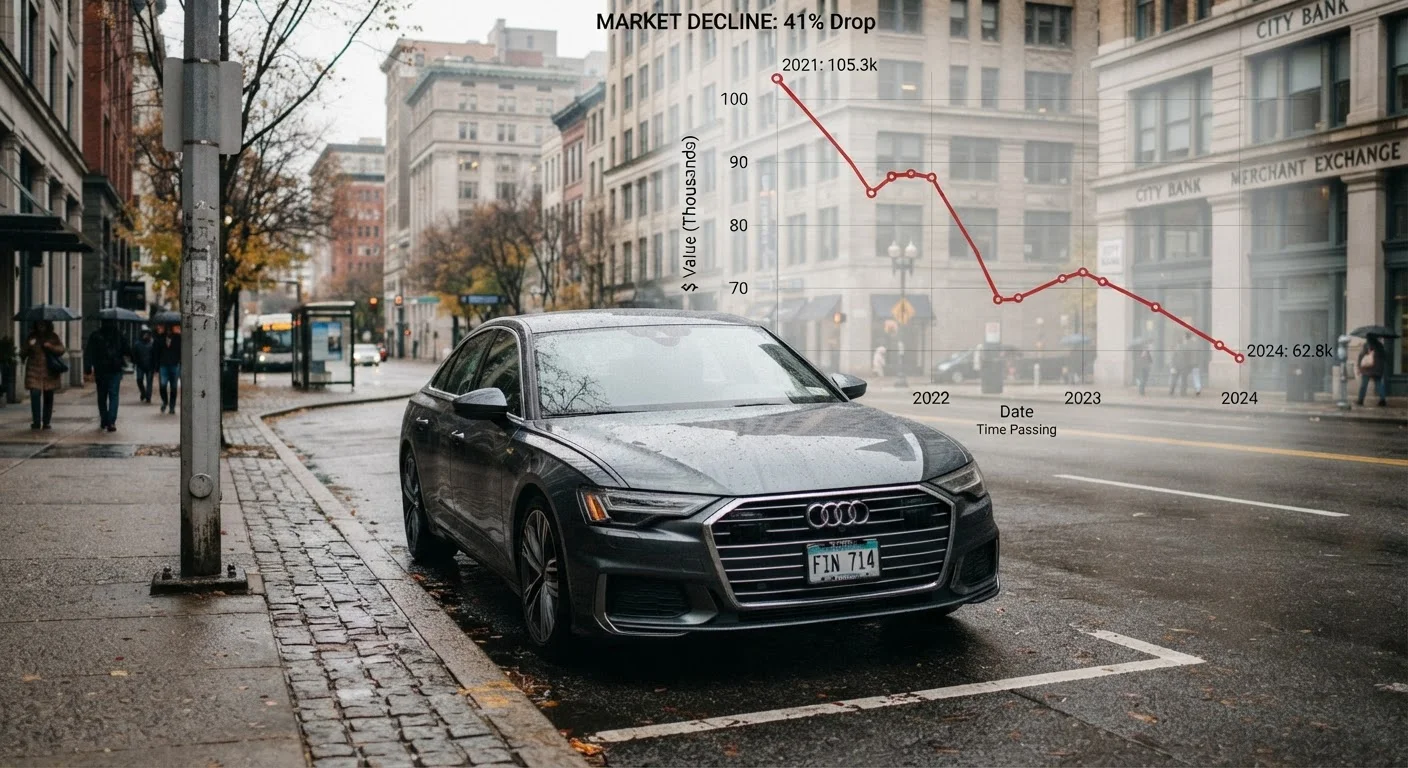
Photo credit: TheBlogZappier.com | Simple Search, Credible Results
In this article
Depreciation is one of the largest hidden costs of car ownership. Learn how it works and which factors influence it most.
Key Takeaways
- New vehicles typically lose 15-25% of their value in the first year of ownership.
- Mileage, condition, make, model, and market demand all directly influence depreciation rate.
- Buying a used vehicle means someone else has absorbed the steepest portion of depreciation.
- Regular maintenance can slow depreciation by preserving condition and resale appeal.
- Depreciation affects loan equity - rapid value loss can leave owners owing more than a car is worth.
How Depreciation Works Over a Vehicle's Life
Depreciation does not occur at a steady, predictable pace. The steepest drop happens early - often within the first 12 months - then levels off as the vehicle ages. Industry data consistently shows that a new vehicle can lose roughly 15-25% of its value in year one. By the end of five years, many vehicles have lost 40-60% of their original purchase price, depending on the model and how it has been used.
This pattern has real implications for anyone financing a vehicle. Because a car's value drops faster than a standard loan balance in the early years, buyers who put little money down or choose long repayment terms can quickly find themselves owing more than the vehicle is worth - a situation commonly called being underwater or upside down on a loan. Understanding this dynamic is part of the true cost of owning a car that extends well beyond the sticker price.
15-25%
Value lost in the first year
Industry estimates consistently show new vehicles shed roughly 15-25% of their purchase price within 12 months of ownership.
40-60%
Typical 5-year depreciation range
Many passenger vehicles lose 40-60% of their original value within five years, depending on make, model, and usage.
~12,000
Average annual miles driven (US)
The U.S. Federal Highway Administration estimates American drivers average around 12,000-15,000 miles per year - a key benchmark used in resale valuations.
Key Factors That Influence Depreciation Rate
Not all vehicles lose value at the same pace. Several variables significantly affect how quickly a specific car depreciates:
- Mileage: Higher annual mileage accelerates depreciation. Vehicles driven well above the national average (roughly 12,000-15,000 miles per year) typically command lower resale values.
- Condition: Physical wear, interior damage, and mechanical issues all reduce what a buyer is willing to pay. Driving habits that quietly accelerate wear can compound this effect over time.
- Make and model: Vehicles with strong reliability reputations and high consumer demand in the resale market depreciate more slowly than average.
- Fuel type and technology: Shifting fuel economy standards and changing buyer preferences can affect how the market values certain powertrains over time.
- Color and trim: Neutral colors (white, black, silver, gray) and popular trim configurations tend to appeal to a broader pool of buyers, supporting resale value.
- Accident history: A vehicle with a reported collision history will typically depreciate faster, as buyers discount for perceived risk even after repairs.
Protect Resale Value With Good Records
Keeping organized maintenance records - oil changes, tire rotations, brake work - provides documented proof of care that buyers and dealers value. A well-documented service history can meaningfully improve a vehicle's trade-in or private sale offer compared to an identical car with no paperwork.
Depreciation, Ownership Costs, and Practical Decisions
Recognizing how depreciation works can inform smarter decisions at several stages of ownership. Buying a vehicle that is two to three years old, for example, allows a buyer to avoid the steepest drop while still getting a relatively modern car. The previous owner has absorbed the largest portion of the loss.
For those who do buy new, keeping a vehicle for many years - rather than trading in every two or three - spreads the depreciation cost over a longer period and effectively lowers the annual impact. Consistent servicing and maintenance not only protect mechanical reliability but also help preserve documented vehicle condition, which supports resale or trade-in value. You can explore practical approaches to managing ongoing vehicle costs as part of a broader ownership strategy.
Depreciation also has an indirect connection to insurance. When a vehicle is declared a total loss, insurers typically pay the actual cash value (ACV) - the depreciated market value at the time of loss. This amount may be less than the remaining loan balance, which is where gap insurance becomes relevant. For a fuller picture of how your vehicle's value intersects with what you pay to protect it, see factors that affect your auto insurance premium.
“Depreciation is the largest single cost of vehicle ownership for most people - larger than fuel, larger than insurance - yet it's invisible because no bill arrives each month.”
— Consumer Financial Education Research, General principle widely cited in personal finance and automotive consumer education
This article is for general informational purposes only and does not constitute financial, legal, or insurance advice. Consult a qualified professional for guidance specific to your situation.
Frequently Asked Questions

Author
Autos & Driving Editorial Team
Autos & Driving Editorial Team is the collective byline for our editorial team and contributor network. Articles published under this byline or an editorial pen name are researched, written, and reviewed according to our editorial standards for clarity, consistency, and independence before publication.
View all articles →