
Understanding Your Car's Warranty: What's Covered and What Isn't
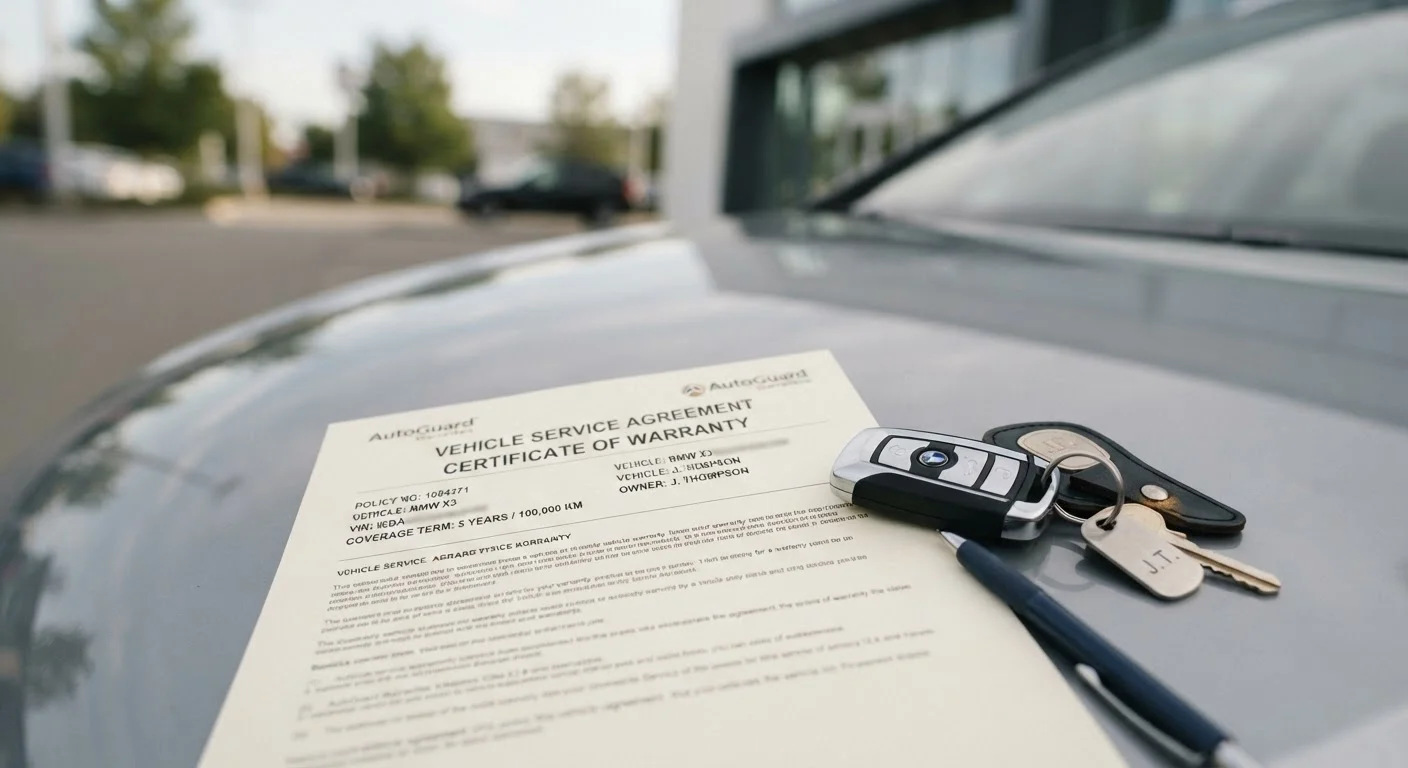
Photo credit: TheBlogZappier.com | Simple Search, Credible Results
In this article
Manufacturer warranties, powertrain coverage, and extended plans all have different terms. Know what you're actually protected against.
Key Takeaways
- Most new vehicles come with multiple overlapping warranty types, each covering different components.
- Bumper-to-bumper warranties typically exclude wear items like brake pads, tires, and wiper blades.
- Voiding a warranty usually requires a deliberate act - routine third-party maintenance alone generally does not void it.
- Extended warranties and vehicle service contracts are separate products with their own terms and exclusions.
- Keeping maintenance records is essential for supporting any warranty claim.
The Different Layers of a New Car Warranty
When you purchase a new vehicle, you typically receive several distinct warranties that apply simultaneously - not a single umbrella policy. Understanding each layer helps you know which applies when something goes wrong.
Bumper-to-bumper warranty (also called a comprehensive or limited warranty): Covers most vehicle systems - electrical, air conditioning, infotainment, and more - for a set period, commonly 3 years or 36,000 miles, whichever comes first. Despite the name, it does not cover every part literally from front to back.
Powertrain warranty: Focuses on the engine, transmission, driveshaft, and related components. This coverage period is typically longer - often 5 years or 60,000 miles - because these components are expensive to replace and central to the vehicle's function.
Corrosion and rust-through warranty: Covers perforation of body panels due to corrosion, usually for a longer term such as 5 to 7 years. Surface rust and cosmetic issues are generally excluded.
Federal emissions warranty: Required by law, this covers emissions-related components. Under EPA regulations, the basic emissions warranty runs 2 years or 24,000 miles; major emissions components like catalytic converters are covered for 8 years or 80,000 miles on most vehicles.
For a deeper look at ownership documentation that accompanies these coverages, see common terms in car ownership documents you should understand before signing anything.
36,000 mi
Typical bumper-to-bumper coverage limit
Most domestic and import automakers offer bumper-to-bumper coverage lasting 3 years or 36,000 miles, whichever arrives first.
8 years
Major emissions component warranty (federal minimum)
U.S. EPA regulations require manufacturers to warrant major emissions components such as catalytic converters for 8 years or 80,000 miles.
60,000 mi
Common powertrain warranty mileage limit
Many manufacturers extend powertrain coverage to 5 years or 60,000 miles, though terms vary by brand and model year.
What Warranties Typically Exclude
The exclusions section of any warranty document is just as important as what's listed as covered. Several categories of parts and damage fall outside standard manufacturer coverage:
- Wear-and-tear items: Brake pads, rotors, tires, wiper blades, clutch discs, and filters are considered consumables and are not covered, even if they fail early.
- Accident or impact damage: Physical damage from collisions, road debris, or flooding is a matter for auto insurance, not a warranty claim. See auto insurance coverage types for how those protections work.
- Misuse or modification: Damage caused by off-road use beyond vehicle specification, improper towing, or aftermarket modifications that affect covered systems can void relevant warranty sections.
- Maintenance items: Oil changes, spark plugs, and fluid flushes are the owner's responsibility. Neglecting scheduled maintenance can also give the manufacturer grounds to deny a claim if neglect caused or contributed to the failure.
Save Every Service Receipt
Even when maintenance is performed at an independent shop, retain itemized receipts showing the date, mileage, and services completed. If a warranty claim is ever disputed, documented proof that you followed the required maintenance schedule is your strongest defense.
This distinction matters more than many drivers realize. A warranty is not a substitute for routine upkeep - it is a backstop against genuine manufacturing defects. Review your car's maintenance schedule to stay on top of what your vehicle requires at each interval.
Extended Warranties and Vehicle Service Contracts
After the manufacturer's coverage expires, drivers often consider purchasing a vehicle service contract - commonly marketed as an "extended warranty." These are separate agreements, sold by dealerships or independent companies, and their terms vary widely.
Key considerations before purchasing one:
- Read the exclusions carefully. Some contracts are "exclusionary" (covering everything except what's listed) while others are "inclusionary" (covering only what is specifically named). Inclusionary contracts often leave out many components.
- Check who performs repairs. Some contracts require repairs only at specific networks of shops, which may limit your options.
- Understand the claims process. Who do you call? Is there a deductible per visit? How are disputes resolved?
- Verify the contract administrator. These products are not backed by the manufacturer - their reliability depends on the financial stability of the issuing company.
Service Contracts Are Not Manufacturer Warranties
A vehicle service contract purchased at a dealership is not the same as the original manufacturer warranty - it is a separate financial product regulated differently by state law. Coverage quality depends on the contract terms and the financial health of the issuing company, not the vehicle brand. Always request a full copy of the contract to review before purchasing.
Avoiding early missteps with warranty terms is part of broader first-year ownership literacy. Our article on what new car owners often get wrong covers this and other costly misunderstandings.
“An extended warranty contract is a legal document, not a sales pitch. Read the exclusions before you read the headline coverage - that's where the real story is.”
— Consumer Financial Protection Bureau, U.S. federal consumer financial watchdog
How to Protect Your Warranty Coverage
A warranty is only as useful as your ability to support a claim when the time comes. A few practical habits make a meaningful difference:
- Keep all service records. Whether you visit a dealership or an independent shop, retain receipts showing the date, mileage, and work performed. These records are your evidence that the vehicle was maintained properly.
- Follow the manufacturer's maintenance schedule. Your owner's manual specifies service intervals by mileage and time. Deviating significantly - particularly by delaying service - can complicate warranty claims if a related failure occurs.
- Use specified fluids and parts. If the manufacturer requires a specific grade of engine oil or a particular coolant type, use it. Substitutions that cause damage may shift liability to the owner.
- Report problems promptly. If a symptom develops while the vehicle is still under warranty, document it and bring it in for inspection before coverage expires. Issues reported after the warranty period rarely get retroactive consideration.
This article provides general information about vehicle warranties for educational purposes. Terms and conditions vary by manufacturer and contract. Always review your actual warranty documents and consult a qualified automotive or legal professional for guidance specific to your situation.
Frequently Asked Questions

Author
Autos & Driving Editorial Team
Autos & Driving Editorial Team is the collective byline for our editorial team and contributor network. Articles published under this byline or an editorial pen name are researched, written, and reviewed according to our editorial standards for clarity, consistency, and independence before publication.
View all articles →