
Car Insurance Coverage Types Explained
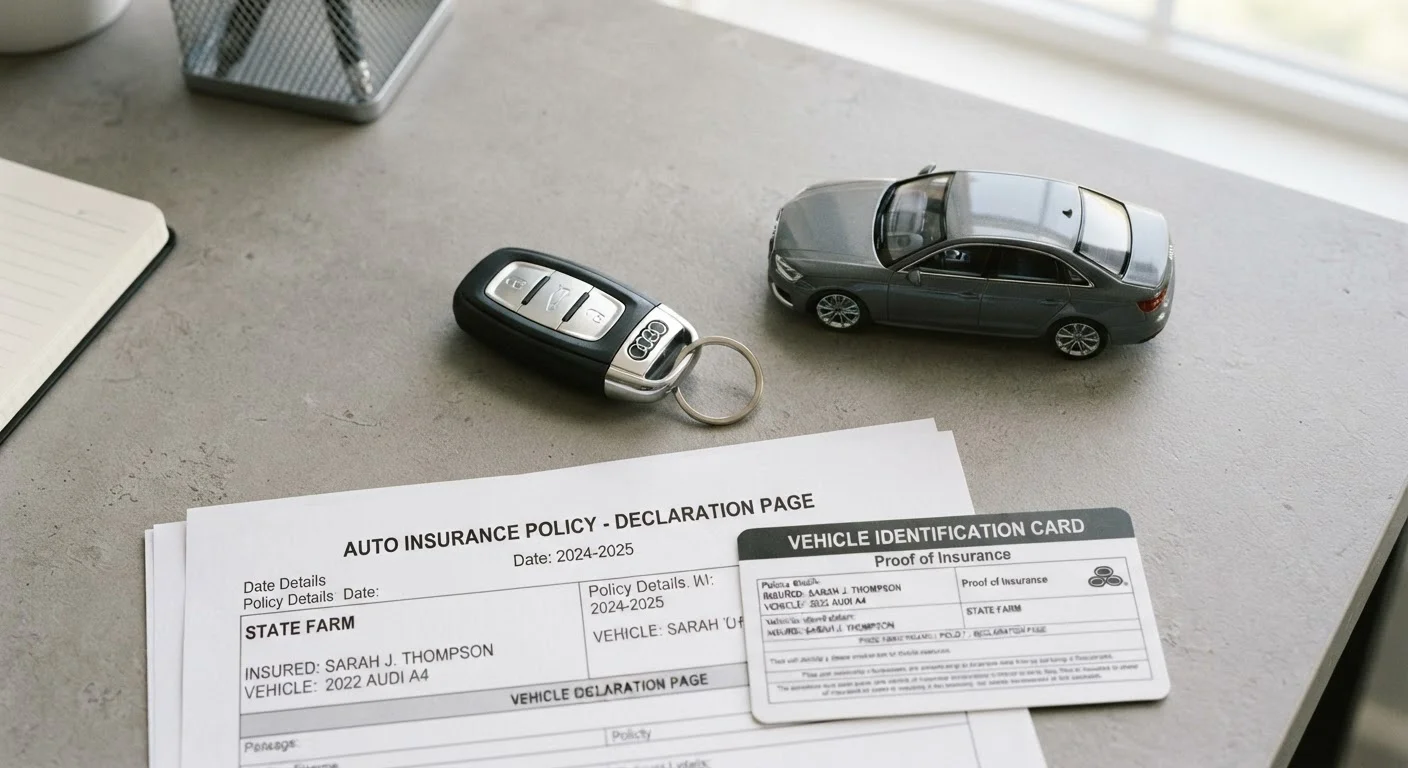
Photo credit: TheBlogZappier.com | Simple Search, Credible Results
In this article
Liability, comprehensive, collision, and more — a plain-language breakdown of what each auto insurance coverage type actually does.
Why Coverage Type Matters More Than You Might Think
Auto insurance isn't a single product - it's a bundle of distinct coverage types, each designed to protect against a different category of financial loss. Many drivers select a policy based on price alone, without fully understanding what each coverage type actually does. That gap can become costly when a claim is filed and a driver discovers a coverage they assumed they had wasn't included.
This reference breaks down the major coverage types found in U.S. auto insurance policies - what each one covers, what it doesn't, and when it applies. For a broader look at how auto insurance fits alongside home, health, and other policies, see The Main Insurance Coverage Categories, Explained.
| Coverages typically required by state law | Liability (bodily injury & property damage) (Requirements vary by state; verify your state's minimums with your DMV or a licensed agent.) |
| Coverages typically required by lenders | Collision and comprehensive (Most auto loan and lease agreements mandate these until the vehicle is paid off.) |
| Coverage that protects other people | Liability |
| Coverage that protects your vehicle from crashes | Collision |
| Coverage that protects your vehicle from non-crash events | Comprehensive |
| Coverage that protects you when the other driver is uninsured | Uninsured/Underinsured Motorist (UM/UIM) |
The Core Coverage Types Defined
Liability coverage is the foundation of nearly every auto policy and is legally required in most U.S. states. It pays for bodily injury and property damage you cause to others in an at-fault accident - it does not cover your own injuries or vehicle. Policies express liability limits in a format like 100/300/100, representing per-person injury, per-accident injury, and property damage limits in thousands of dollars. For a deeper comparison of how liability works across different policy types, see Liability Coverage Across Insurance Types.
Collision coverage pays to repair or replace your vehicle after a collision with another car or object, regardless of fault. It applies whether you hit a guardrail, a parked vehicle, or another moving car. A deductible - the amount you pay out of pocket before coverage kicks in - applies to each claim.
Comprehensive coverage handles vehicle damage from non-collision events: theft, vandalism, fire, flood, hail, falling objects, and animal strikes. Despite the name, it doesn't cover everything - mechanical failure and collision damage fall outside its scope. For a precise breakdown of where collision ends and comprehensive begins, see Collision vs. Comprehensive Coverage.
Deductible
The fixed dollar amount you pay out of pocket before your insurance coverage applies to a claim. Higher deductibles typically result in lower premium costs.
Actual Cash Value (ACV)
The market value of your vehicle at the time of a loss, accounting for depreciation. Most standard policies reimburse at ACV rather than replacement cost.
Premium
The amount you pay - usually monthly or semi-annually - to maintain your insurance policy. Premiums are calculated based on factors including driving history, location, vehicle type, and coverage selections.
No-Fault State
A state where each driver's own insurance covers their medical expenses after an accident regardless of who caused it. No-fault states typically require PIP coverage.
Liability Limit
The maximum dollar amount your insurer will pay for a covered liability claim. Expressed as split limits (e.g., 100/300/100) or a single combined limit.
Personal Injury Protection (PIP), sometimes called no-fault coverage, pays for medical expenses, lost wages, and related costs for you and your passengers after an accident - regardless of who was at fault. PIP is mandatory in no-fault states and optional in others.
Medical Payments (MedPay) is a narrower alternative to PIP, covering only medical and funeral expenses for you and your passengers. It's available in most states but does not cover lost wages or rehabilitation costs.
Uninsured/Underinsured Motorist (UM/UIM) coverage protects you when the at-fault driver has no insurance or insufficient coverage to pay for your losses. It can cover both bodily injury and, in some states, property damage.
Add-On Coverages Worth Knowing
Beyond the six core types, most insurers offer optional endorsements that extend protection in specific scenarios:
- Rental reimbursement - covers rental car costs while your vehicle is being repaired after a covered claim.
- Roadside assistance - provides towing, battery jumps, lockout help, and flat-tire service.
- Gap insurance - if your vehicle is totaled, gap coverage pays the difference between what you owe on your loan or lease and the vehicle's actual cash value, which depreciates quickly in the first years of ownership.
- New car replacement - available on some newer vehicles, this pays for a comparable new vehicle rather than the depreciated value.
Your Policy Documents Are the Final Word
Coverage descriptions in this article are general explanations of standard industry terms. Your actual policy may define covered events, exclusions, and limits differently. Two policies from different insurers can use the same coverage name but apply very different rules. Always review your declarations page and policy contract, and ask your agent to clarify anything that's unclear before you need to file a claim.
Coverage terms, exclusions, deductibles, and eligibility vary significantly between insurers and across states. Always read the actual policy documents and consult a licensed insurance agent for guidance specific to your situation. For help understanding what you're paying each month and why, see Insurance Premiums Explained.
This article provides general information about auto insurance coverage types and is not personalized insurance or legal advice. Coverage availability, requirements, and terms differ by state and provider. Consult a licensed insurance professional before making coverage decisions.

Author
Autos & Driving Editorial Team
Autos & Driving Editorial Team is the collective byline for our editorial team and contributor network. Articles published under this byline or an editorial pen name are researched, written, and reviewed according to our editorial standards for clarity, consistency, and independence before publication.
View all articles →