
Myths About Car Insurance That Could Leave You Underprotected
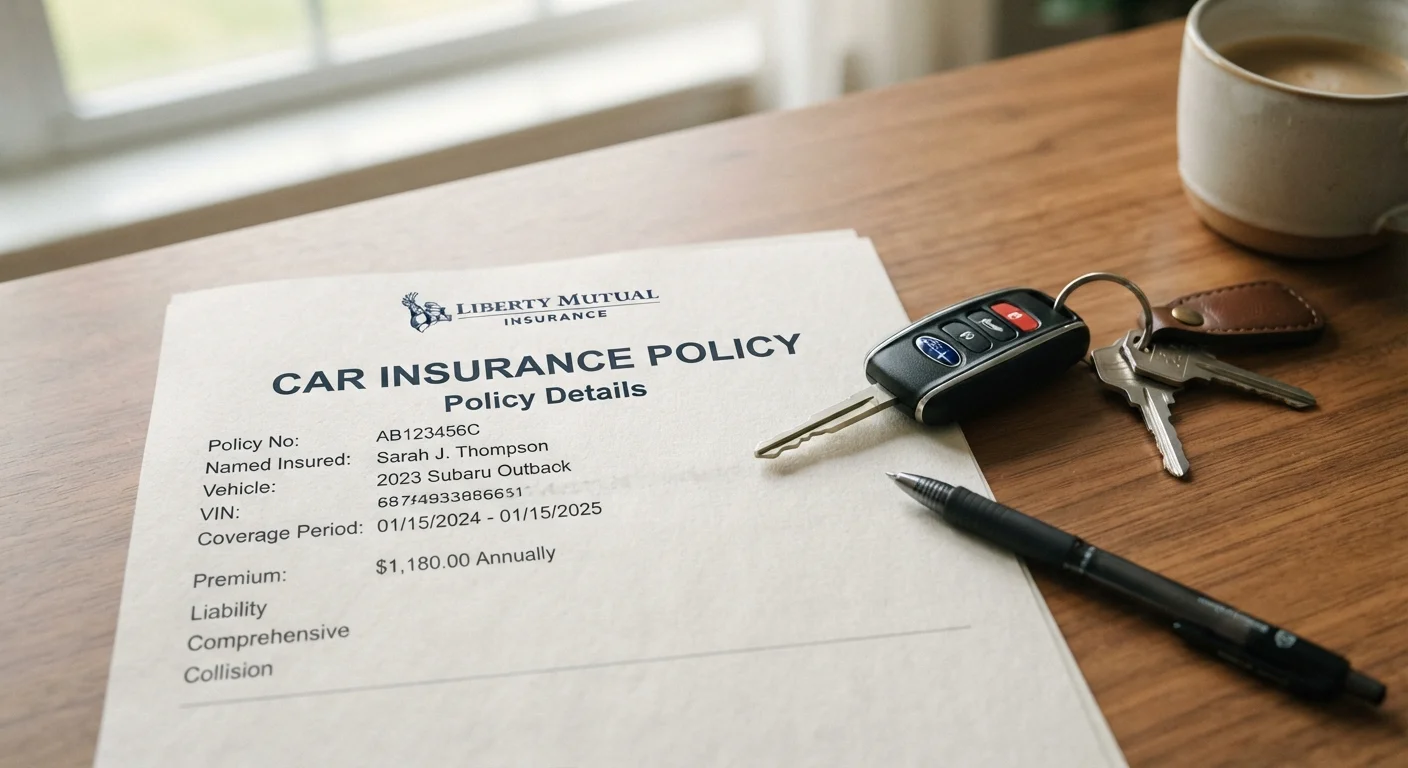
Photo credit: TheBlogZappier.com | Simple Search, Credible Results
Red cars cost more to insure, minimum coverage is enough — separating auto insurance fact from fiction to help you make informed decisions.
Key Takeaways
- Vehicle color, including red, has no effect on your auto insurance premium.
- State minimum liability coverage often falls far short of protecting your financial assets.
- Your personal auto policy typically does not cover commercial or rideshare use.
- A lender-required policy may not include comprehensive or collision coverage for your own vehicle.
- Filing a claim does not automatically raise your premium - outcomes vary by insurer and situation.
Why Car Insurance Myths Persist
Auto insurance is a product most drivers buy out of legal necessity and rarely scrutinize closely - which makes it fertile ground for myths. Misunderstandings get passed along through word of mouth, reinforced by misread policy summaries, and rarely corrected until a claim is denied or a bill arrives that insurance was expected to cover.
The consequences can be serious. Believing your coverage is more robust than it actually is may leave you financially exposed after an accident, at risk of a lawsuit, or without transportation when you need it most. The myths below are among the most common - and the most potentially costly.
Myth
Red cars cost more to insure because insurers charge a premium for flashy colors.
Fact
Insurers do not factor in vehicle color when calculating premiums. The color of your car is simply not part of the underwriting equation.
This is one of the most persistent auto insurance myths. When insurers assess risk, they look at variables such as the vehicle's make, model, year, engine size, safety ratings, and theft rates - not its paint job. What drives your rate is the statistical risk profile of the vehicle and the driver behind the wheel. For a detailed look at what actually moves the needle, see the factors that affect your auto insurance premium.
Myth
Carrying the state minimum liability coverage is enough to protect me financially.
Fact
Minimum limits satisfy the legal requirement to drive, but they can fall dramatically short in a serious accident, exposing you to out-of-pocket costs far beyond what the policy pays.
Many states set liability minimums that reflect decade-old cost estimates. A multi-vehicle collision with injuries can generate medical expenses and property damage that dwarf those floors. Once your policy limit is exhausted, your personal assets - savings, wages, property - can be targeted in a lawsuit. [important_callout]
Myth
My personal auto policy covers me when I drive for a rideshare or delivery company.
Fact
Most personal auto policies contain explicit exclusions for commercial or for-hire use, meaning you could be unprotected during certain rideshare or delivery periods.
Coverage gaps in the gig economy are a well-documented problem. The window between accepting a trip and having a passenger in the car is often where personal policies end and platform coverage begins - and the handoff is not always seamless. [warning_callout]
Myth
Filing a claim will always cause my premium to increase.
Fact
Whether a claim raises your premium depends on the insurer, the type of claim, your history, and in some cases your state's regulations.
Some insurers offer accident-forgiveness provisions. A not-at-fault claim may not affect your rate at all with certain companies. The relationship between claims and premiums is more nuanced than the blanket assumption suggests. For more on how claims actually work, see common beliefs about insurance claims that don't hold up.
Myth
Comprehensive coverage means everything is covered no matter what happens.
Fact
"Comprehensive" is a specific coverage type that protects against non-collision events like theft, weather, and falling objects - it does not mean all-inclusive protection.
The word comprehensive is a technical insurance term, not a promise of universal coverage. Collision damage, medical payments, and liability to others each require their own separate coverage components. Understanding the structure of a policy is essential before assuming you're fully protected. Our guide to car insurance coverage types breaks down each component in plain language.
Myth
Older cars don't need full coverage because they aren't worth much.
Fact
Whether full coverage makes financial sense on an older vehicle depends on your specific situation, not a general rule about vehicle age.
Even a modest vehicle can represent a significant financial loss if you rely on it for work or daily transport and have no savings cushion to replace it. On the other hand, if a vehicle's market value is genuinely low and you have other resources, carrying collision coverage might cost more annually than the car's replacement value. Talking through these tradeoffs with a licensed agent is the most reliable path to an informed decision. Unexamined assumptions here are one of the most common gaps people leave in their insurance coverage.
What to Do With This Information
Correcting these misconceptions is only useful if it leads to a concrete next step: actually reviewing your policy. Pull out your declarations page - the summary document your insurer provides - and check your liability limits, deductibles, and the coverage types you're carrying. Compare them against your assets, your vehicle's current value, and how you actually use your car day to day.
1 in 8
Drivers estimated to be uninsured in the U.S.
According to the Insurance Research Council, an estimated one in eight U.S. drivers was uninsured as of their most recent study period, underscoring the real risk of relying on others' coverage.
$15,000
Common state minimum bodily injury limit per person
Many states set their per-person bodily injury liability minimum at $15,000 - a figure that can be exhausted quickly by a single emergency room visit.
If anything is unclear, the place to get answers is a licensed insurance agent or your state's department of insurance - not the checkout screen of a comparison website. Insurance terminology can be genuinely confusing; our guide to policy key terms can help you decode the language before you sit down with a professional.
Coverage decisions are ultimately personal, shaped by your financial situation, risk tolerance, and driving habits. What matters is that those decisions are made with accurate information - not assumptions inherited from a persistent myth. For a broader look at where coverage gaps commonly occur, see myths about what insurance covers.
This article is for general informational purposes only and does not constitute personalized insurance, financial, or legal advice. Coverage terms, exclusions, and regulations vary by provider and state. Consult a licensed insurance professional for guidance specific to your situation.

Author
Autos & Driving Editorial Team
Autos & Driving Editorial Team is the collective byline for our editorial team and contributor network. Articles published under this byline or an editorial pen name are researched, written, and reviewed according to our editorial standards for clarity, consistency, and independence before publication.
View all articles →