
Myths About What Insurance Covers That Catch People Off Guard
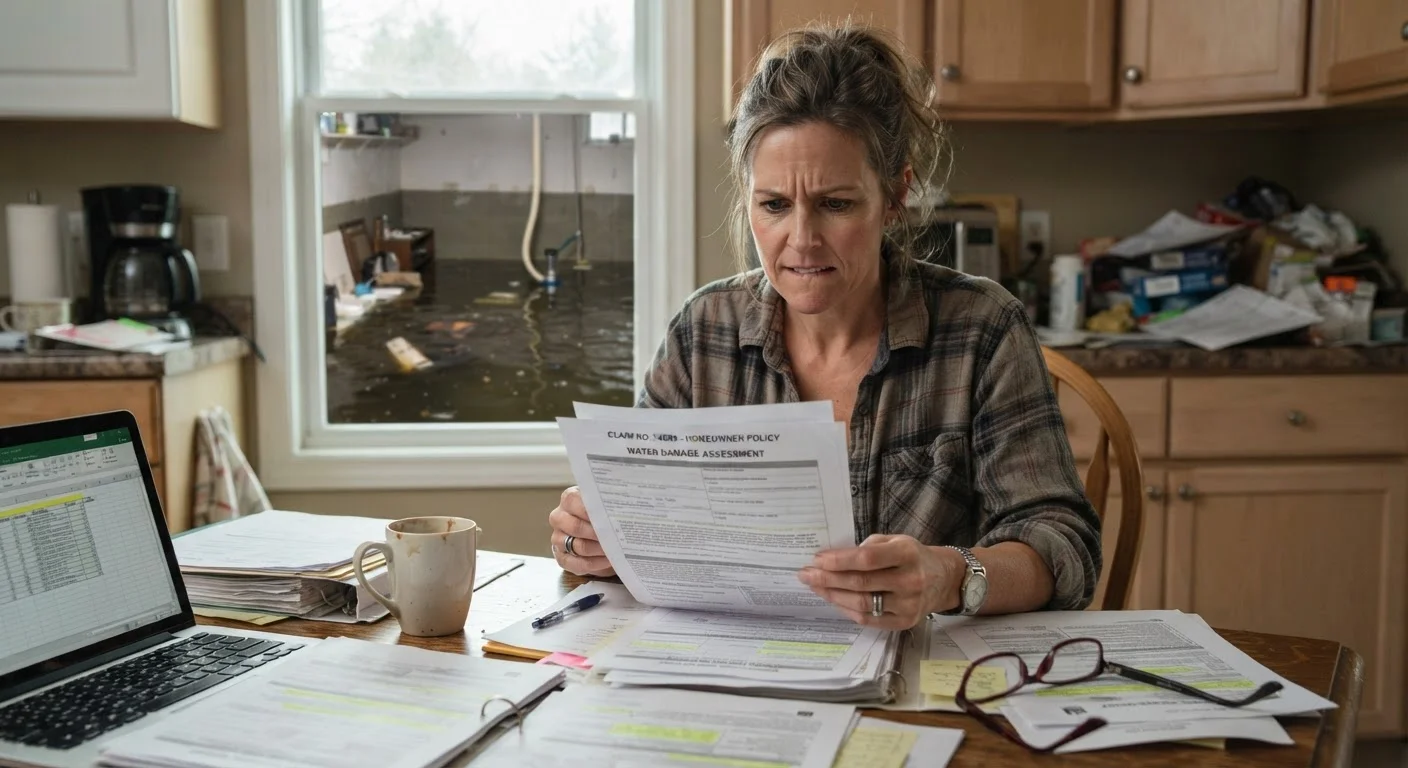
Photo credit: TheBlogZappier.com | Simple Search, Credible Results
From flood damage to rental cars, common insurance coverage beliefs often turn out to be wrong. Here's what the facts actually show.
Key Takeaways
- Standard homeowners insurance does not cover flood damage — that requires a separate flood policy.
- Minimum auto liability coverage protects other drivers, not your own vehicle or medical costs.
- Renters insurance covers personal belongings but typically does not protect the building itself.
- Life insurance payouts are generally income-tax-free for beneficiaries, contrary to a common belief.
- Health insurance 'coverage' does not mean zero out-of-pocket costs — deductibles and copays still apply.
Why Insurance Misconceptions Are So Costly
Most people don't read their insurance policies closely until something goes wrong. That gap between assumption and reality can mean thousands of dollars in unexpected out-of-pocket costs after a loss. Understanding what your coverage actually includes — and excludes — is one of the most practical steps any policyholder can take.
The myths below span health, auto, home, and life insurance. Each one represents a belief that leads real consumers to make decisions based on incomplete or incorrect information. For a broader grounding in coverage categories, see The Main Insurance Coverage Categories, Explained.
Myth
My homeowners insurance covers flood damage, so I don't need a separate flood policy.
Fact
Standard homeowners insurance policies explicitly exclude flood damage. Flood coverage requires a separate policy, typically purchased through the National Flood Insurance Program (NFIP) or a private flood insurer.
This is one of the most financially damaging misconceptions in property insurance. Flooding caused by external water — storm surge, overflowing rivers, heavy rainfall runoff — is categorically excluded from standard homeowners policies. The same is often true for sewer backup, which may require its own endorsement.
Many homeowners discover this only after a major weather event. Flood insurance must generally be purchased before a storm is named or a flood watch is issued, so last-minute coverage is rarely possible. If you live in or near a flood-prone area, evaluating a standalone flood policy well in advance is worth discussing with a licensed agent.
Myth
If I have the minimum required auto insurance, I'm fully covered in an accident.
Fact
State-mandated minimum liability coverage only pays for damage or injuries you cause to others. It does not cover your own vehicle repairs, your medical bills, or losses from an uninsured driver.
Minimum liability is designed to protect other parties from your negligence — not to make you whole after a collision. If your car is damaged in an accident where you're at fault and you only carry liability coverage, you pay for your own repairs entirely. Similarly, if the other driver is uninsured, minimum coverage alone offers you no protection without an uninsured motorist endorsement.
Collision and comprehensive coverage, as well as uninsured/underinsured motorist coverage, are the components that protect your own vehicle and costs. For more on this topic, Myths About Car Insurance That Could Leave You Underprotected covers additional misconceptions that affect auto policyholders.
Myth
My renters insurance will cover damage to the apartment building if something happens.
Fact
Renters insurance covers your personal belongings, personal liability, and temporary living expenses — not the physical structure of the building, which is the landlord's responsibility to insure.
Renters insurance is structured around three core protections: personal property (your furniture, electronics, clothing), liability (if someone is injured in your unit), and loss of use (temporary housing costs if your unit becomes uninhabitable). The building itself — walls, roof, fixtures — is covered under the landlord's property insurance, not yours.
This also means that if your belongings are stolen from your car or damaged while traveling, your renters policy may still apply — coverage often extends beyond the apartment itself. What Renters Insurance Actually Covers (And What It Doesn't) provides a thorough breakdown of each coverage component.
Myth
Life insurance payouts are taxable income for my beneficiaries.
Fact
In most cases, life insurance death benefits paid to beneficiaries are not subject to federal income tax. However, estate tax considerations may apply in specific circumstances.
Under general federal tax rules, a lump-sum life insurance death benefit received by a named beneficiary is not treated as taxable income. This is a significant financial distinction — a $500,000 death benefit generally passes to the beneficiary intact, without income tax withholding.
There are narrower situations where tax obligations can arise: interest earned on installment payouts may be taxable, and very large estates may trigger estate tax depending on total asset value and applicable exemptions. Because tax law is complex and subject to change, beneficiaries with questions about their specific situation should consult a qualified tax professional or estate attorney.
Myth
Once I meet my health insurance deductible, all medical costs are covered 100%.
Fact
Meeting your deductible does not eliminate out-of-pocket costs. Copays and coinsurance typically continue until you reach your plan's separate out-of-pocket maximum.
A deductible is only one layer of cost-sharing in most health insurance plans. After meeting it, many plans require you to pay coinsurance — a percentage of each covered service — until your annual out-of-pocket maximum is reached. Only after hitting that ceiling does the insurer typically cover 100% of in-network costs for the remainder of the plan year.
For example, a plan with a $1,500 deductible and 20% coinsurance could still leave you paying significant amounts after the deductible if you have ongoing care needs. Reading your plan's Summary of Benefits and Coverage (SBC) — a standardized document insurers are required to provide — is the clearest way to understand your actual exposure. For related misconceptions around claims, see Common Beliefs About Insurance Claims That Don't Hold Up.
How to Protect Yourself from Coverage Gaps
Discovering a gap in your coverage after filing a claim is one of the most avoidable financial setbacks in insurance. The corrective step is straightforward: read your policy's declarations page and exclusions section before you need it, not after.
Don't Assume Verbal Explanations Are Binding
What a sales representative or agent tells you verbally about coverage may not reflect what your actual policy document says. Insurance contracts are governed by the written policy, not by informal conversations or general descriptions. Always verify coverage details in writing, and keep copies of all policy documents and correspondence.
Ask your insurer or a licensed agent specific questions: Does this policy cover flood? What is my out-of-pocket maximum? Does liability extend to a rental vehicle? These are not hypothetical concerns — they are the exact questions that surface in real claims. For a deeper look at where these gaps tend to form, Gaps People Leave in Their Insurance Coverage breaks down the most common patterns. And if policy language feels opaque, the Policy Key Terms hub can help you decode the terminology before you sign anything.
This article is for general informational purposes only and does not constitute personalized insurance, legal, or financial advice. Coverage terms, exclusions, and regulations vary by insurer, policy, and state. Always read your policy documents carefully and consult a licensed insurance agent or adviser for guidance specific to your situation.

Author
Insurance Basics Editorial Team
Insurance Basics Editorial Team is the collective byline for our editorial team and contributor network. Articles published under this byline or an editorial pen name are researched, written, and reviewed according to our editorial standards for clarity, consistency, and independence before publication.
View all articles →