
Why Your Dog Keeps Ignoring Commands It Already Knows
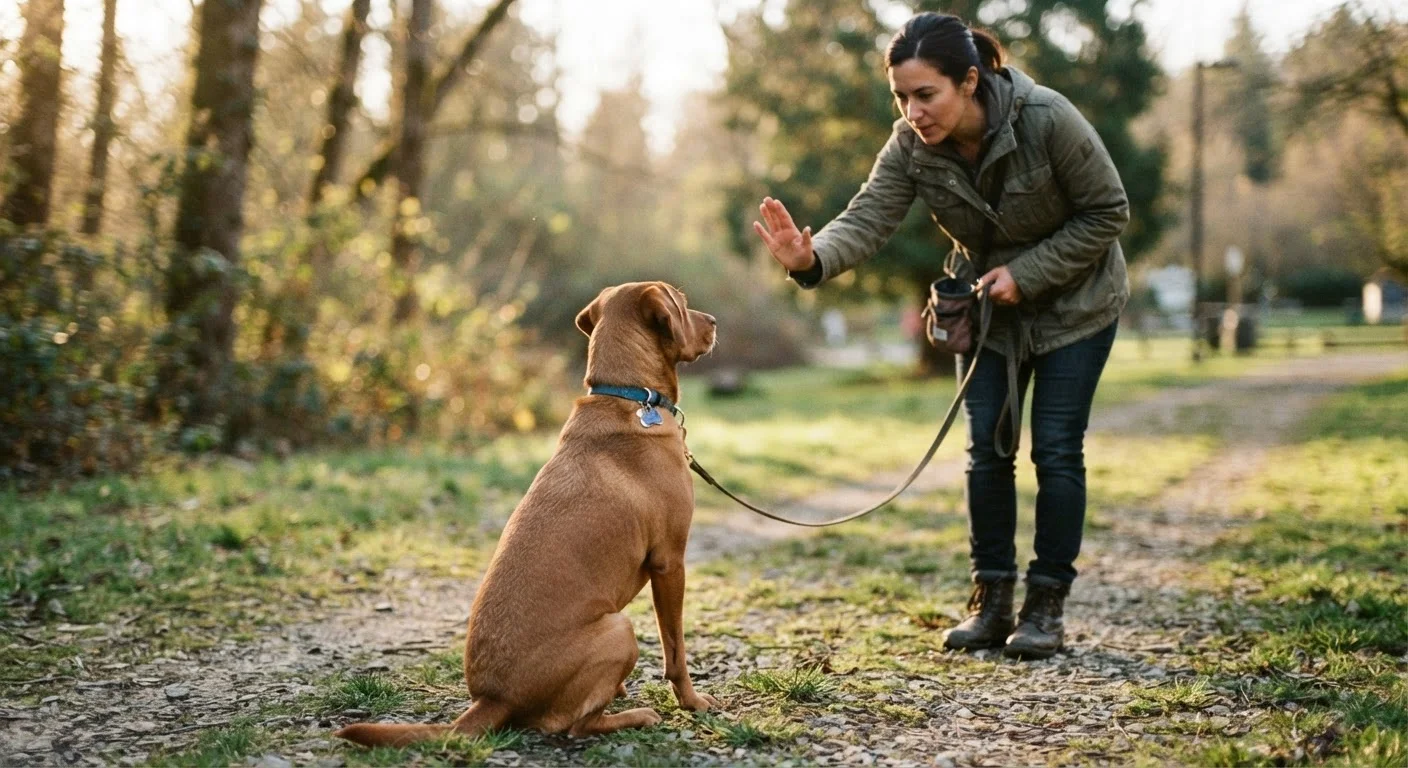
Photo credit: TheBlogZappier.com | Simple Search, Credible Results
Selective listening in trained dogs isn't defiance — it's often a signal something is off. Explore the common reasons commands break down and how to address them.
Key Takeaways
- Command breakdown is rarely defiance — it usually signals a training, environment, or health issue.
- Inconsistent cues and reinforcement schedules are among the most common causes of selective listening.
- Distraction level, physical discomfort, and generalization gaps all affect command reliability.
- Revisiting foundational training in controlled environments can quickly restore reliable responses.
When a Trained Dog Stops Listening
Few things are more frustrating than watching your dog flawlessly sit on command at home — then act as if the word means nothing at the dog park. This phenomenon, sometimes called selective listening, is one of the most common concerns dog owners raise. It's tempting to chalk it up to stubbornness or spite, but canine behavior research consistently points elsewhere.
Dogs don't disobey to assert dominance or test you. When a previously reliable command breaks down, it almost always reflects a gap in training, a change in context, or an unmet need. Understanding the actual cause is the only way to fix it — and the mistakes owners make in response often deepen the problem rather than resolve it.
For a broader look at how reward and correction approaches affect learning, see our evidence-based training guide.
Assuming the dog 'knows' the command in all contexts after learning it in one setting.
Why it happens: Owners naturally generalize — if the dog sits reliably in the kitchen, it should sit anywhere. But dogs learn contextually; a cue learned in one environment doesn't automatically transfer to others.
Using inconsistent cues — varying the word, tone, or hand signal between family members or sessions.
Why it happens: Different household members often use slightly different versions of the same command without realizing it, creating a blurry or conflicting signal for the dog.
Fading rewards too quickly and too completely after a behavior is 'learned.'
Why it happens: Once a dog seems to know a command, owners often stop rewarding it entirely, assuming the behavior is now permanent. Without any reinforcement, the behavior simply becomes less worth performing.
Giving commands in high-distraction environments before the dog is ready for that level of difficulty.
Why it happens: Owners often test commands in challenging situations — busy parks, family gatherings — hoping the dog will rise to the occasion. For dogs still building fluency, this sets them up to fail.
Overlooking physical discomfort or stress as a reason for non-compliance.
Why it happens: Behavioral explanations are usually the first thing owners consider, but pain — from joint issues, dental problems, or injury — can make certain postures uncomfortable, causing dogs to avoid commands like 'sit' or 'down.'
How to Restore Command Reliability
Once you've identified which pattern applies to your dog, restoration is usually straightforward — though it requires patience and consistency. Start by returning to the environment where the command was originally learned: low distraction, calm tone, short sessions. Rebuild the association between the cue and the reward before attempting to proof it in harder settings.
Repeating Commands Backfires
Saying "sit, sit, SIT" teaches your dog that the first cue is optional. Each repetition reduces the value of the original word. If your dog doesn't respond after one clear cue, pause, remove the opportunity for reward, and try again — rather than escalating the cue.
Gradually increase difficulty by introducing one variable at a time — a new room, then the backyard, then a quiet street. This process, called proofing, is what transforms a command your dog knows into one your dog reliably performs anywhere. Many owners skip this step, assuming knowledge equals reliability.
If your dog's change in responsiveness came on suddenly or is paired with other behavioral shifts — restlessness, clinginess, or changes in appetite — consider a veterinary visit to rule out pain or illness before continuing training. Health issues affecting focus can also connect to conditions like separation anxiety, which may require dedicated management strategies.
This article is for general informational purposes only and does not constitute veterinary or professional training advice. Consult a certified professional dog trainer or veterinarian for guidance specific to your dog's situation.

Author
Pets & Animals Editorial Team
Pets & Animals Editorial Team is the collective byline for our editorial team and contributor network. Articles published under this byline or an editorial pen name are researched, written, and reviewed according to our editorial standards for clarity, consistency, and independence before publication.
View all articles →