
Credit Scores Explained: What the Number Actually Measures
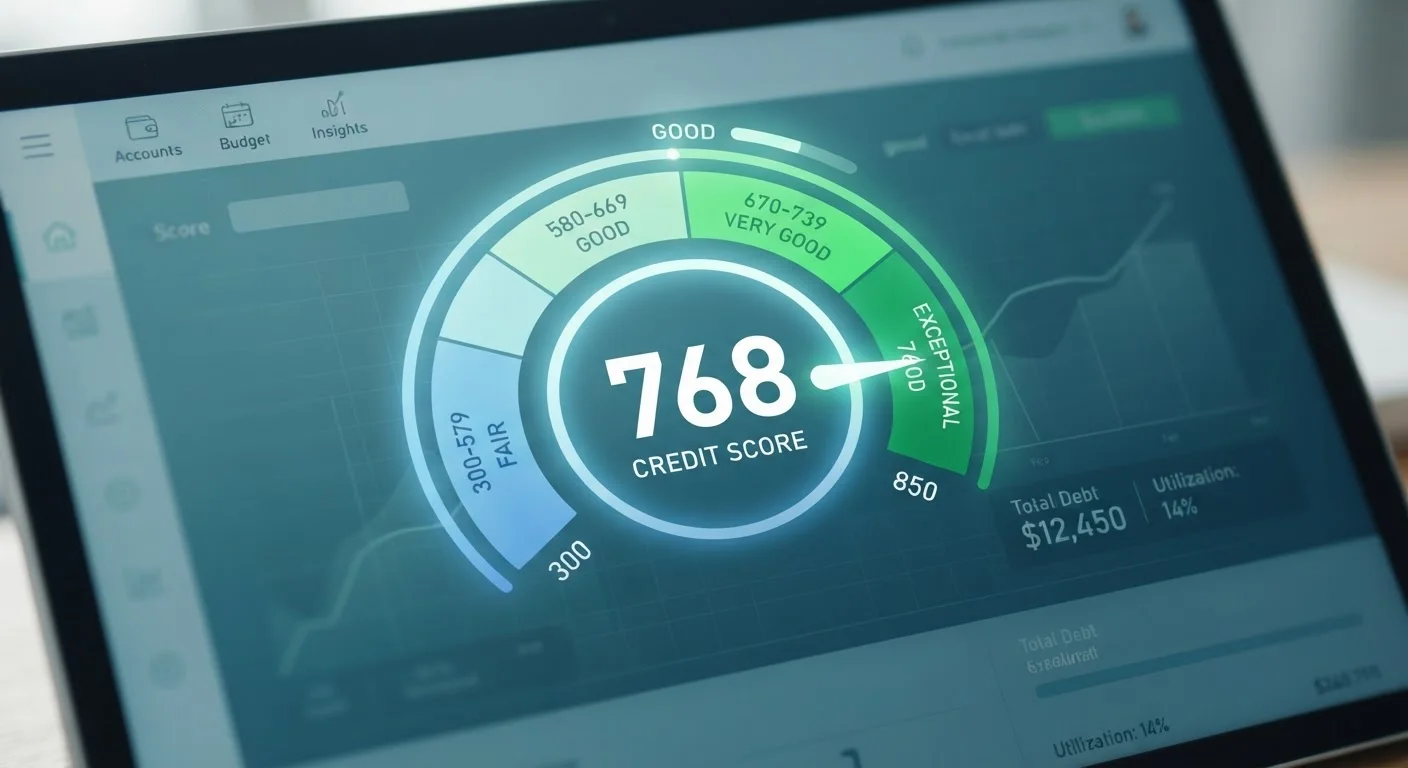
Photo credit: TheBlogZappier.com | Simple Search, Credible Results
In this article
Understand what a credit score is, how it's calculated, and why it matters for borrowing, renting, and more.
Key Takeaways
- Credit scores range from 300 to 850; higher scores indicate lower risk to lenders.
- Payment history is the single largest factor, making up 35% of a FICO® Score.
- Scores are calculated from data in your credit report, not from income or assets.
- Multiple types of scores exist — lenders may use different models for different decisions.
- You can improve your score over time by building consistent, on-time payment habits.
What a Credit Score Is Actually Measuring
A credit score doesn't measure wealth. It doesn't account for your salary, savings account, or job title. What it measures is credit risk — specifically, how likely you are to repay a debt as agreed, based on your past behavior with credit.
Scoring models analyze the data in your credit report and compress it into a single number. That report contains information from lenders, credit card companies, and collection agencies, and it's maintained by the three major credit bureaus: Equifax, Experian, and TransUnion. Understanding that distinction — score versus report — is foundational. For a deeper look at what's inside your report, see the walkthrough of every section in a credit report.
The FICO® Score, introduced in 1989, remains the most commonly used model in U.S. lending decisions. VantageScore, developed collaboratively by the three bureaus, is also widely used, particularly in consumer-facing tools.
35%
Weight of payment history in FICO® Score
According to FICO®, on-time payments carry more weight than any other single factor in the standard scoring model.
300–850
Range of most US credit scores
Both FICO® and VantageScore use this scale, with higher numbers indicating lower credit risk to lenders.
~200M
US adults with a scoreable credit file
The Consumer Financial Protection Bureau estimates that roughly 80% of U.S. adults have enough credit history to generate a score.
The Five Factors Behind the Number
Under the FICO® model, five categories of credit behavior are weighted to produce your score:
- Payment history (35%): Whether you've paid past accounts on time. A single missed payment can have a noticeable negative effect, especially on an otherwise clean record.
- Amounts owed (30%): How much of your available revolving credit you're using, known as your credit utilization ratio. Using a high percentage of your credit limit can signal financial stress to lenders.
- Length of credit history (15%): How long your accounts have been open. Older accounts generally benefit your score.
- Credit mix (10%): Having a variety of account types — installment loans, credit cards, mortgages — can reflect positively, though this factor carries less weight.
- New credit (10%): Recent applications for credit. Multiple hard inquiries in a short period can slightly reduce your score, though rate-shopping for a mortgage or auto loan within a short window is typically treated as a single inquiry.
For plain definitions of terms like hard inquiry, utilization, and charge-off, the credit terms glossary is a useful companion resource.
Rate-Shopping Won't Sink Your Score
When comparing mortgage or auto loan offers, multiple hard inquiries made within a short window — typically 14 to 45 days depending on the scoring model — are usually grouped and counted as a single inquiry. Shopping around for the best rate is a financially sound practice and is accounted for in most scoring models.
Why Your Score Matters Beyond Borrowing
Most people associate credit scores with loan approvals and interest rates — and those connections are real. A borrower with a higher score typically qualifies for lower interest rates, which can translate into significant savings over the life of a loan. But the score's reach extends further than many realize.
- Renting an apartment: Most landlords run credit checks. A low score can result in denial, a higher security deposit, or a co-signer requirement.
- Utility accounts: Electricity, gas, and internet providers may check credit before approving service without a deposit.
- Auto and renters insurance: In most U.S. states, insurers are permitted to use credit-based insurance scores — a close relative of traditional credit scores — as one factor in setting premiums.
- Employment: Some employers, particularly in finance and security-sensitive roles, review credit as part of background screening (with your consent, as required by federal law).
This breadth makes credit health a general financial wellness concern, not just a borrowing issue. For a comprehensive view of how credit and debt intersect across your financial life, see the complete reference on credit and debt.
Building and Protecting Your Score Over Time
Credit scores are not fixed. They respond to behavior, which means a low score today can be improved with consistent effort — and a strong score can be damaged by neglect. The following habits are broadly recognized as the foundation of healthy credit:
- Pay on time, every time. Since payment history carries the most weight, even one missed payment can set back progress. Automatic payments or calendar reminders help prevent accidental lapses.
- Keep utilization low. Most financial guidance suggests keeping revolving balances below 30% of your total credit limit, and lower is generally better for your score.
- Avoid unnecessary credit applications. Each hard inquiry can temporarily reduce your score. Apply for new credit only when you have a clear need.
- Monitor your credit report. U.S. consumers are entitled to free credit reports from each bureau through AnnualCreditReport.com. Errors — such as accounts that aren't yours or incorrectly reported late payments — can be disputed and corrected.
Rebuilding credit after financial hardship takes time, but the trajectory can be meaningfully positive within 12 to 24 months of consistent behavior. There are no shortcuts that are both legitimate and rapid — be cautious of services promising dramatic, immediate score improvements.
This article is for general informational and educational purposes only and does not constitute personalized financial or credit advice. Consult a licensed financial professional for guidance specific to your situation.
Frequently Asked Questions

Author
Money & Finance Editorial Team
Money & Finance Editorial Team is the collective byline for our editorial team and contributor network. Articles published under this byline or an editorial pen name are researched, written, and reviewed according to our editorial standards for clarity, consistency, and independence before publication.
View all articles →