
The Role of an Insurance Adjuster in Your Claim
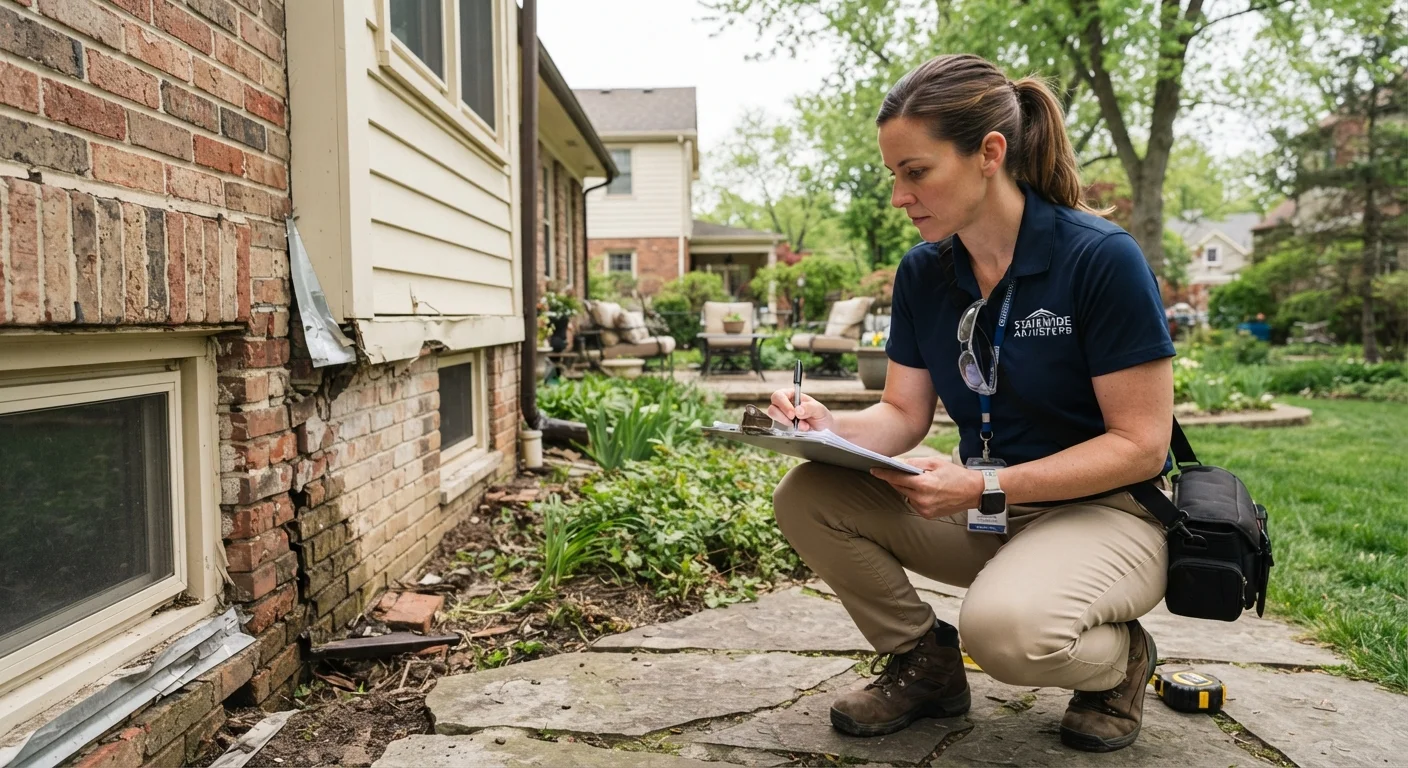
Photo credit: TheBlogZappier.com | Simple Search, Credible Results
In this article
Adjusters assess the value of your loss and influence your settlement. Understanding what they do helps you engage with the process more effectively.
Key Takeaways
- An adjuster investigates your claim, inspects the damage, and recommends a settlement amount.
- Most adjusters work for — or are hired by — your insurance company, not for you.
- You have the right to ask questions, provide documentation, and dispute an adjuster's findings.
- Understanding the adjuster's role helps you engage with the claims process more confidently.
- A public adjuster can represent your interests if you disagree with the insurer's assessment.
What an Adjuster Does When Your Claim Is Assigned
Once you file a claim, your insurer assigns an adjuster to your case. This person's central responsibility is to investigate the loss and translate what happened into a dollar figure your insurer uses to calculate your settlement. Their work typically unfolds in three stages: investigation, evaluation, and recommendation.
During investigation, the adjuster contacts you to gather facts, reviews your policy to understand what coverage applies, and schedules an inspection of the damaged property or vehicle. They may photograph damage, obtain repair estimates, review medical records (in health or liability claims), or consult police and fire reports.
During evaluation, the adjuster applies policy terms — including your deductible, coverage limits, and any exclusions — to the documented loss. They determine the cause of loss, whether it is a covered peril under your policy, and the value of the damage.
Finally, the adjuster submits a recommendation to the insurer. This becomes the basis for the settlement offer you receive. For a full picture of how a claim moves from that first call through to payment, see the complete claims process walkthrough.
Types of Adjusters and Who They Represent
Not all adjusters have the same employer — and that distinction matters to you as a claimant.
- Staff adjusters are salaried employees of your insurance company. They handle claims exclusively for that insurer and follow its internal guidelines.
- Independent adjusters are contractors hired by insurers, often during high-volume periods like after a major storm. They work on behalf of the insurer, not the policyholder.
- Public adjusters are licensed professionals hired and paid by you, the policyholder, to prepare and negotiate your claim on your behalf. They typically charge a percentage of the final settlement.
Understanding this distinction is important because it clarifies whose interests each party is primarily serving. If you believe the insurer's adjuster has undervalued your claim, a public adjuster is one avenue to explore. The comparison of public vs. insurer adjusters covers how their roles, loyalties, and costs differ in detail.
Adjuster Licensing Varies by State
Most states require insurance adjusters to hold a license, but requirements differ — some states require public adjusters to meet higher standards than staff or independent adjusters. If you hire a public adjuster, verify their license through your state's insurance department before signing any agreement.
How to Engage Effectively With the Adjuster
Your conduct during the adjustment process can meaningfully affect the outcome of your claim. Here are the most important steps to take.
- Document everything before the inspection. Photograph all damage from multiple angles, compile receipts or records for damaged items, and keep a written log of events and communications.
- Be present during the inspection. Walk through the damage with the adjuster, point out details they might miss, and ask what they are noting in their report.
- Ask questions and request copies. You are entitled to understand what the adjuster found. Request a copy of the adjuster's report and the itemized estimate.
- Respond promptly. Delays in providing requested documents can slow your claim. Keep records of every communication, including dates and what was discussed.
- Know your dispute rights. If the settlement offer seems too low, review your policy's appraisal clause. You can also file a complaint with your state's insurance department if you believe the process was handled improperly.
Settlement amounts are shaped by several variables beyond the adjuster's inspection alone. The guide to how settlements are calculated explains how deductibles, depreciation, and coverage limits factor into what you are ultimately paid.
Keep a Claims Communication Log
From the moment you file, write down the date, time, name, and summary of every conversation you have with your insurer or adjuster. This log can be invaluable if a dispute arises later. Store it alongside copies of all documents you submit or receive.
This article provides general information about the insurance claims process and is not a substitute for personalised advice from a licensed insurance professional. Coverage terms, adjuster practices, and regulatory timelines vary by insurer, policy, and state. Always read your policy documents and consult a licensed agent or adviser for guidance specific to your situation.
Frequently Asked Questions

Author
Insurance Basics Editorial Team
Insurance Basics Editorial Team is the collective byline for our editorial team and contributor network. Articles published under this byline or an editorial pen name are researched, written, and reviewed according to our editorial standards for clarity, consistency, and independence before publication.
View all articles →