
Documenting a Loss: What to Gather Before You Call Your Insurer
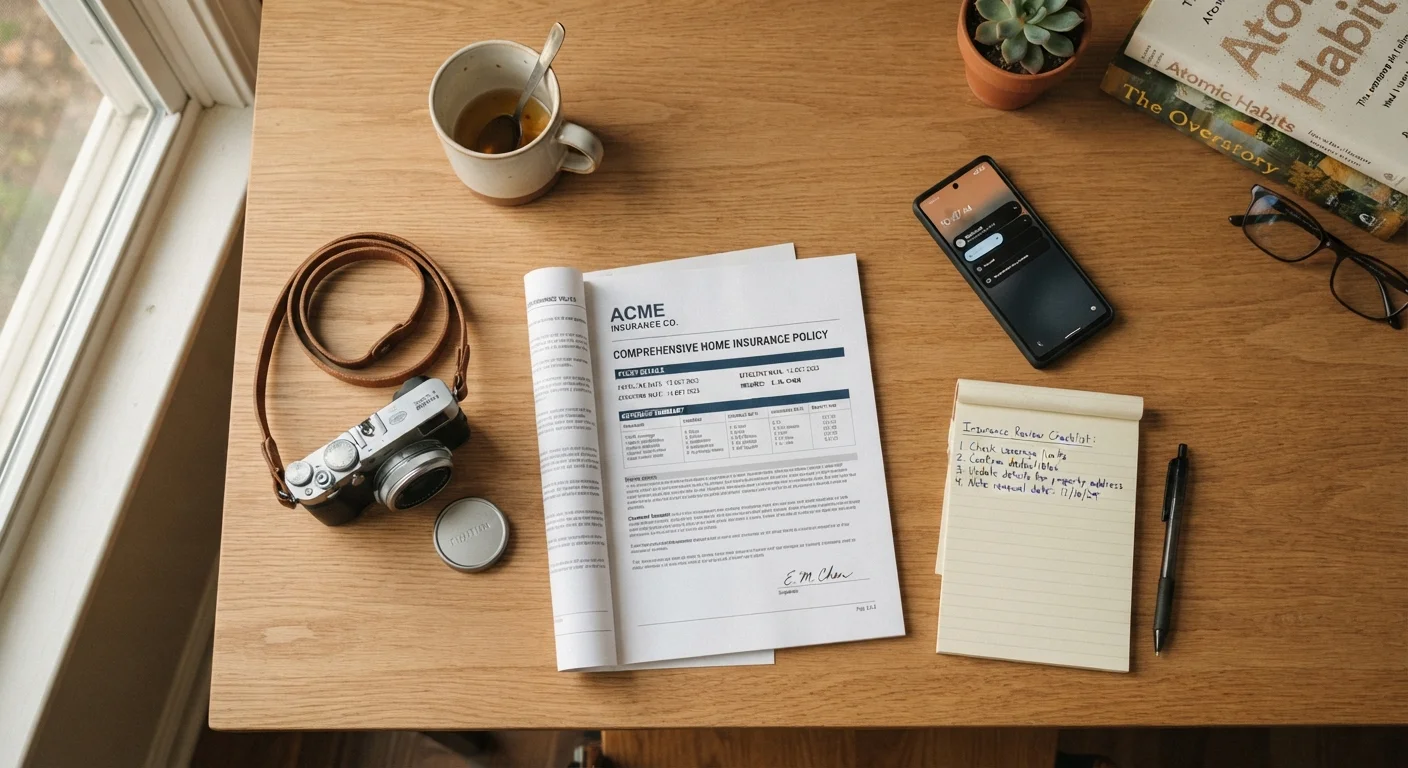
Photo credit: TheBlogZappier.com | Simple Search, Credible Results
In this article
Strong documentation can speed up your claim. Here's exactly what information and evidence to collect before you make that first call.
Key Takeaways
- Collecting documentation before calling your insurer reduces delays and supports a stronger claim.
- Your policy number and coverage details are the first things any claims representative will need.
- Photographs, receipts, and written records of damage are among the most important evidence you can provide.
- Keep a log of every conversation with your insurer, including dates, names, and what was discussed.
- Never discard damaged property until your insurer has confirmed you may do so.
Why Preparation Matters Before You Make the Call
Filing an insurance claim can feel overwhelming — especially in the immediate aftermath of a loss. Whether you're dealing with a home break-in, a flooded basement, a car accident, or stolen property, the instinct is often to call your insurer right away. That instinct is understandable, but taking 30 to 60 minutes to gather key information first can meaningfully improve the efficiency and outcome of your claim.
Claims representatives are trained to ask specific questions the moment they pick up. If you're unprepared, you may need to call back, locate documents under stress, or reconstruct details from memory. Strong documentation collected early gives your insurer what it needs to open your file completely and move forward without unnecessary back-and-forth.
This checklist is designed to walk you through exactly what to gather — organized by category — so you can approach that first conversation with confidence. If you're unfamiliar with claims terminology, reviewing our plain-language glossary of insurance claims terms before you begin can help you follow the process more clearly. And if this is your first claim ever, our beginner's guide to filing a claim provides useful context on the full process.
Don't Begin Repairs Before Your Insurer Approves
It's natural to want to fix damage immediately, but starting permanent repairs before your insurer has assessed the loss can jeopardize your claim. Most policies require the insurer — or an assigned adjuster — to inspect the damage first. Temporary measures to prevent further loss (like covering a broken window) are generally acceptable, but save your receipts and photograph everything before and after.
What to Collect: Your Pre-Call Documentation Checklist
Work through each category below before picking up the phone. Not every item will apply to every type of loss — skip what genuinely doesn't apply, but err on the side of gathering more rather than less.
Policy Information
Loss Details
Evidence and Documentation
Expenses and Mitigation
Record-Keeping Setup
Once you have your documentation in order, you'll be ready to engage with the claims process from a position of clarity. To understand what happens after that first call, see our stage-by-stage claims process walkthrough and what your insurer is doing behind the scenes. For help staying organized throughout, our communication and follow-up guide covers best practices for the weeks ahead.
Retain All Damaged Property Until Further Notice
One of the most common mistakes claimants make is discarding damaged items before an adjuster has reviewed them. Insurers often need to inspect physical evidence to verify the cause and extent of a loss. Unless your insurer explicitly tells you it is safe to dispose of something — or the item poses an immediate health or safety risk — keep it in place or store it securely.
This article is for general informational and educational purposes only and does not constitute personalized insurance, legal, or financial advice. Coverage terms, exclusions, and claims procedures vary by insurer and policy. Always read your actual policy documents and consult a licensed insurance professional regarding your specific situation.

Author
Insurance Basics Editorial Team
Insurance Basics Editorial Team is the collective byline for our editorial team and contributor network. Articles published under this byline or an editorial pen name are researched, written, and reviewed according to our editorial standards for clarity, consistency, and independence before publication.
View all articles →