
The Pros and Cons of Using Mental Wellbeing Apps
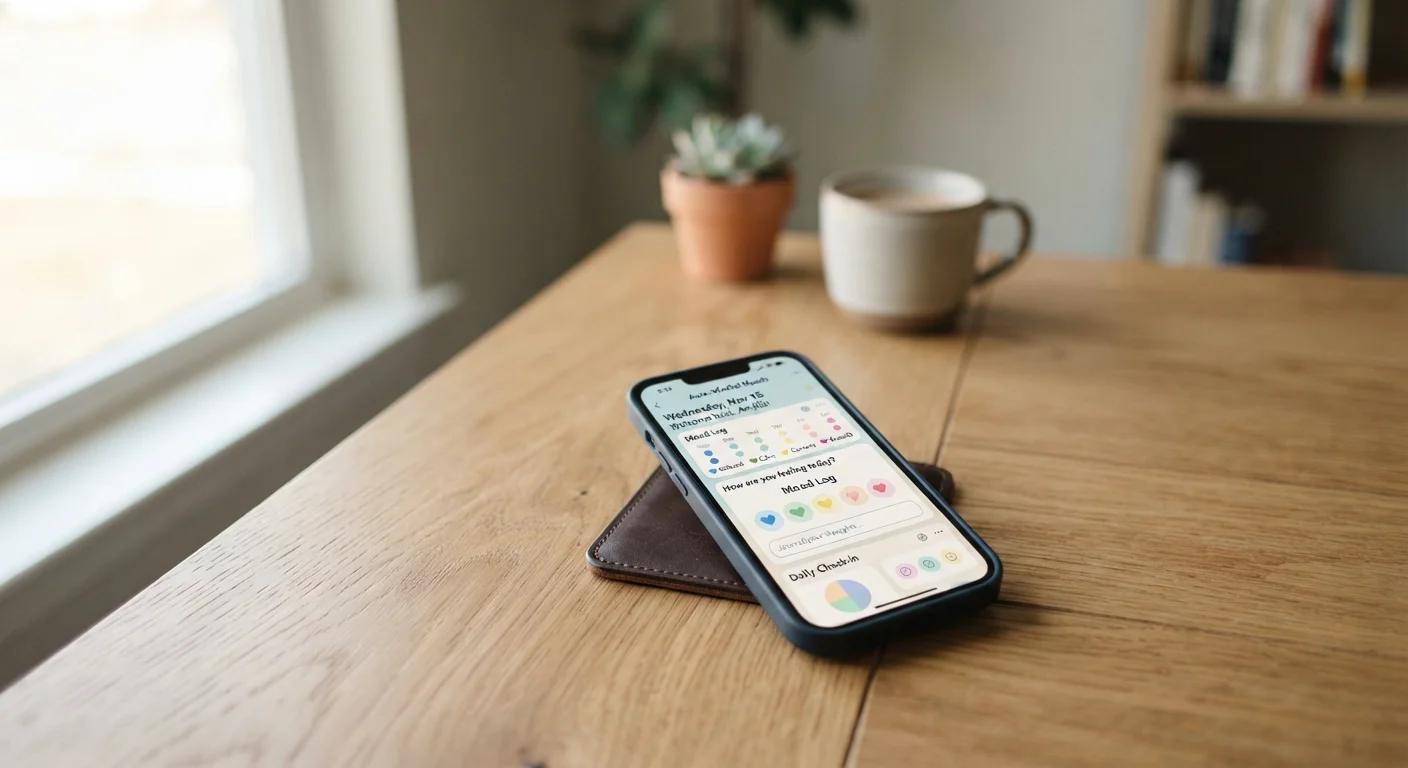
Photo credit: TheBlogZappier.com | Simple Search, Credible Results
In this article
Digital tools for mood tracking, guided breathing, and meditation are popular — but they have real limitations too. A balanced look at what they can and can't offer.
Key Takeaways
- Mental wellbeing apps can lower the barrier to self-care by being available anytime, at little or no cost.
- Apps are evidence-informed tools, not clinical treatments - they cannot replace professional mental health care.
- Privacy practices vary widely; reviewing an app's data policy before use is strongly advisable.
- Effectiveness depends heavily on consistent use and realistic expectations from the outset.
- Apps work best as part of a broader approach that may include therapy, social support, and lifestyle habits.
Available anytime, lowering the barrier to support
Unlike scheduled appointments, an app can be accessed at 2am during a sleepless night or during a lunch break. This immediacy matters most for managing acute stress or anxiety in the moment.
Low or no cost compared to in-person therapy
Many apps offer free core functionality, making evidence-informed techniques like guided breathing and body scans accessible without out-of-pocket clinical costs.
Reduces stigma around seeking support
Using an app privately can feel less exposing than seeking formal help, potentially encouraging people who might otherwise avoid support to begin engaging with their wellbeing.
Builds consistent daily self-care habits
Reminders, streaks, and brief structured sessions make it easier to turn techniques like mindfulness or gratitude reflection into regular practice rather than one-off efforts.
Mood data reveals patterns over time
Tracking entries across weeks can illuminate connections between sleep, stress, and mood that are difficult to observe without a structured record.
Limited clinical evidence for most apps
While some apps are built on validated therapeutic frameworks, many have little or no peer-reviewed research behind them specifically. Marketing claims often outpace the available evidence.
Cannot replace professional mental health care
Apps are not equipped to diagnose conditions, adjust treatment plans, or respond to a mental health crisis. Relying on them for clinical needs can delay appropriate care.
Privacy and data security risks
Mental health data is among the most sensitive personal information a person can share. App data policies vary widely and are not always transparent about third-party sharing or retention practices.
Engagement drops sharply after the first few weeks
Research on digital health tools consistently shows high initial use followed by rapid drop-off, meaning many users do not sustain the practice long enough to see meaningful benefit.
May reinforce avoidance of in-person support
For individuals who are ambivalent about seeking therapy, using an app can serve as a rationalisation for postponing professional help rather than a stepping stone toward it.
Screen time adds to existing digital overload
For people whose stress is partly driven by excessive phone use, adding another app-based routine may not address the underlying issue and could compound it.
What Mental Wellbeing Apps Actually Do
Mental wellbeing apps typically offer a mix of guided meditations, breathing exercises, mood journals, sleep content, and cognitive-behavioural techniques adapted for self-directed use. Some use prompts to help users track emotional patterns across weeks or months; others focus on a single function like sleep sounds or anxiety relief. A smaller number are built around therapeutic frameworks - such as cognitive behavioural therapy (CBT) or acceptance and commitment therapy (ACT) - and are designed in collaboration with clinical researchers.
It is worth understanding what these tools are not. They are not diagnostic instruments, and they do not constitute medical or psychological treatment. Their appropriate role is general self-care and habit support - and knowing that distinction matters before deciding how to use them. For a clear look at one practice commonly featured in these apps, see how mindfulness and meditation differ and when each may be useful.
The Genuine Advantages
There are several well-founded reasons why millions of people turn to wellbeing apps as part of their self-care routine.
Available anytime, lowering the barrier to support
Unlike scheduled appointments, an app can be accessed at 2am during a sleepless night or during a lunch break. This immediacy matters most for managing acute stress or anxiety in the moment.
Low or no cost compared to in-person therapy
Many apps offer free core functionality, making evidence-informed techniques like guided breathing and body scans accessible without out-of-pocket clinical costs.
Reduces stigma around seeking support
Using an app privately can feel less exposing than seeking formal help, potentially encouraging people who might otherwise avoid support to begin engaging with their wellbeing.
Builds consistent daily self-care habits
Reminders, streaks, and brief structured sessions make it easier to turn techniques like mindfulness or gratitude reflection into regular practice rather than one-off efforts.
Mood data reveals patterns over time
Tracking entries across weeks can illuminate connections between sleep, stress, and mood that are difficult to observe without a structured record.
10,000+
Mental health apps available on major app stores
Estimates from public health researchers indicate that tens of thousands of mental health and wellness apps exist, with significant variation in quality and clinical grounding.
~20%
US adults reporting unmet mental health care needs
According to SAMHSA national survey data, roughly one in five US adults who needed mental health services in a given year did not receive them, highlighting the access gap apps aim to address.
Apps also make it easier to notice patterns over time. Consistent mood logging - even a thirty-second daily entry - can surface trends that are hard to detect in real time, which is exactly the kind of self-audit described in a monthly mental wellbeing check-in.
The Real Limitations
The benefits above come with meaningful caveats that are worth taking seriously.
Limited clinical evidence for most apps
While some apps are built on validated therapeutic frameworks, many have little or no peer-reviewed research behind them specifically. Marketing claims often outpace the available evidence.
Cannot replace professional mental health care
Apps are not equipped to diagnose conditions, adjust treatment plans, or respond to a mental health crisis. Relying on them for clinical needs can delay appropriate care.
Privacy and data security risks
Mental health data is among the most sensitive personal information a person can share. App data policies vary widely and are not always transparent about third-party sharing or retention practices.
Engagement drops sharply after the first few weeks
Research on digital health tools consistently shows high initial use followed by rapid drop-off, meaning many users do not sustain the practice long enough to see meaningful benefit.
May reinforce avoidance of in-person support
For individuals who are ambivalent about seeking therapy, using an app can serve as a rationalisation for postponing professional help rather than a stepping stone toward it.
Screen time adds to existing digital overload
For people whose stress is partly driven by excessive phone use, adding another app-based routine may not address the underlying issue and could compound it.
A Note on Clinical-Grade vs. Wellness Apps
There is an important distinction between general wellness apps and those that have undergone clinical validation or regulatory review. A small number of digital therapeutics have been evaluated in randomised controlled trials and some have received FDA clearance as prescribed tools. Most consumer wellbeing apps, however, are not in this category. When evaluating any app, look for transparent information about what research, if any, underpins its design - and weigh that against the marketing language on its home screen.
It is also worth noting that for some conditions - depression, anxiety disorders, trauma - general wellness content may be insufficient or even counterproductive if it delays appropriate professional care. Apps are not a substitute for therapy, and they are not equipped to manage clinical crises. If you are experiencing persistent low mood, consult a qualified mental health professional rather than relying on a digital tool alone.
How to Use Them Wisely
Getting genuine value from a wellbeing app requires a few deliberate choices. First, match the tool to a specific and realistic goal - reducing bedtime anxiety, establishing a brief daily mindfulness habit, or tracking mood across a stressful period. Vague intentions tend to produce low engagement and early abandonment.
Second, review the app's privacy policy before entering personal mental health data. Data practices vary significantly across providers, and emotional data is particularly sensitive. Third, treat the app as one layer - not the whole strategy. Pairing it with other approaches, such as the structured writing methods discussed in journalling for emotional clarity, or skills like cognitive reframing, tends to produce more durable results than any single tool alone.
Finally, if your workplace offers employee assistance programs or mental health resources, those should take priority for anything beyond everyday self-care. For context on what structured support can look like, see how workplaces can support employee mental wellbeing.
This article is for general informational purposes only and does not constitute medical or psychological advice. If you are experiencing mental health symptoms or a crisis, please consult a qualified healthcare professional.

Author
Health & Wellness Editorial Team
Health & Wellness Editorial Team is the collective byline for our editorial team and contributor network. Articles published under this byline or an editorial pen name are researched, written, and reviewed according to our editorial standards for clarity, consistency, and independence before publication.
View all articles →